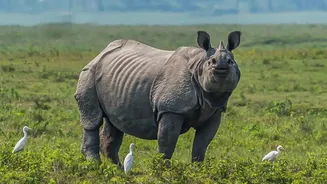






In the sprawling grasslands of Assam, a prehistoric giant roams free. Kaziranga National Park is more than just a reserve; it's the heart of one of the greatest wildlife comebacks, home to most of the world's one-horned rhinoceroses.
A Global Conservation Icon
Nestled on the floodplains
of the Brahmaputra River, Kaziranga National Park is a UNESCO World Heritage Site with a singular distinction: it hosts the world's largest population of the greater one-horned rhinoceros. The latest census from 2022 placed the park's rhino population at 2,613, a stunning testament to decades of dedicated conservation. This figure represents roughly two-thirds of the entire global population of the species, making Kaziranga the most critical habitat for their survival. From a mere handful of rhinos at the turn of the 20th century, the park has overseen a remarkable recovery, turning the tide against extinction and creating a thriving, vibrant ecosystem.
A Story of Remarkable Recovery
The journey to this success was not easy. In the early 1900s, rampant hunting and habitat loss had pushed the one-horned rhino to the brink, with as few as 200 individuals remaining across India and Nepal. Legend holds that a visit by Mary Curzon, wife of the then-Viceroy of India, who failed to spot a single rhino, spurred the initial protection efforts. In 1905, the area was designated a Reserve Forest, a move that laid the groundwork for its future. Over the next century, through strict anti-poaching measures, habitat management, and community involvement, Kaziranga's rhino population steadily grew, marking one of the world's most inspiring conservation victories.
More Than Just Rhinos
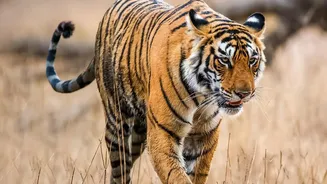
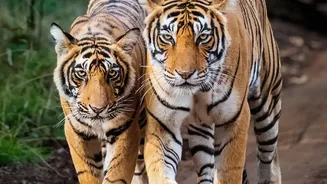
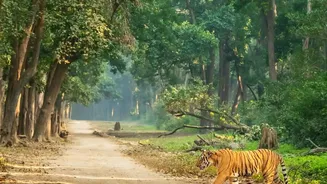
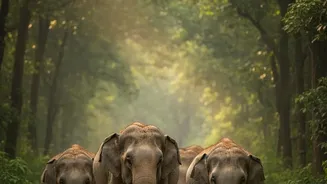
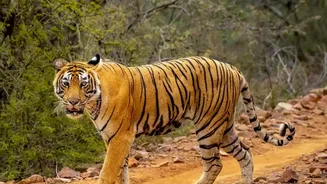
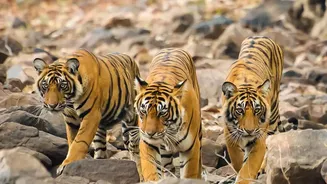
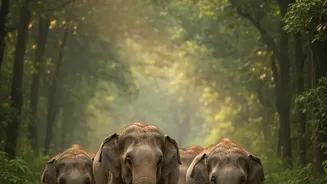
While the rhino is Kaziranga's flagship species, the park is a bustling biodiversity hotspot. It was declared a Tiger Reserve in 2006 and boasts one of the highest tiger densities in the world. It's also a crucial habitat for large breeding populations of Asian elephants, wild water buffalo, and swamp deer. The park's diverse landscape of tall elephant grass, marshlands, and dense tropical forests supports a staggering variety of life, including over 480 species of birds and the endangered Ganges River dolphin. This rich web of life makes Kaziranga a complete and vital ecosystem.
The Constant Battle
Despite its success, Kaziranga faces persistent challenges. Poaching, driven by the illegal international market for rhino horns, remains a serious threat. Park rangers and anti-poaching units are in a constant state of vigilance, using modern technology and community intelligence to protect the animals. Another major threat is the annual monsoon flood. While the floods are essential for replenishing the grasslands, severe inundations can lead to animal deaths and force wildlife to flee to higher ground, often bringing them into conflict with human settlements and speeding vehicles on the adjacent National Highway 37.
A Blueprint for the Future
Kaziranga's success has provided a blueprint for rhino conservation elsewhere. The park has served as a source for translocation programs, helping to re-establish rhino populations in other protected areas like Manas National Park under initiatives such as the Indian Rhino Vision 2020. This strategy not only expands the rhinos' habitat but also reduces the risks associated with having the majority of the population in a single location. By engaging local communities as partners in conservation, providing them with livelihoods linked to eco-tourism, Kaziranga has fostered a sense of shared ownership, ensuring that the future of this magnificent animal is protected by the very people who live alongside it.