



Beyond the Bucket List
A quiet revolution is reshaping how Indians explore their own country. For years, a vacation often meant a frantic dash through famous landmarks, but a new travel philosophy is taking hold. Travellers are now seeking immersive experiences over passive
sightseeing, prizing cultural understanding and meaningful memories above all. This shift is part of a larger trend towards experiential travel, where the goal is not just to see a place, but to participate in its story. Recent industry reports confirm this change, with a staggering 84% of Indian travellers stating their interest in culture-led travel has grown in recent years. This evolving mindset is transforming tourism from a simple holiday into a journey of discovery.
A Journey for the Palate
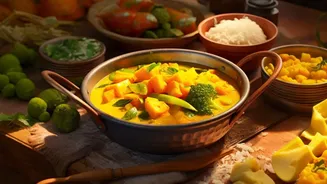
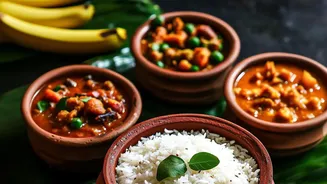
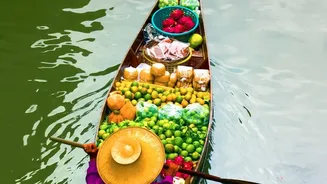
Food has become a destination in itself. For the modern Indian traveller, a meal is no longer just sustenance; it is a primary reason to travel. According to a recent report, 43% of travellers say they would plan an entire trip around culinary experiences. This has given rise to a boom in culinary tourism, with food trails, cooking workshops, and farm-to-table stays becoming increasingly popular. Travellers are venturing into the heartlands to taste authentic recipes passed down through generations, from the spice plantations of Kerala to the kebab galleys of Lucknow. This quest for authentic flavours is not just about eating; it's about connecting with a region's history, agriculture, and local way of life. The culinary tourism market in India reached USD 110.1 billion in 2025 and is projected to grow significantly, proving that taste has become a powerful driver of travel decisions.
Walking Through Living History
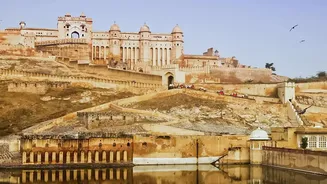
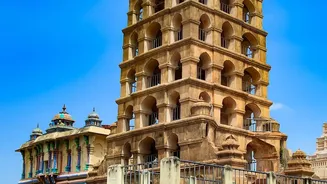
Alongside the culinary boom is a renewed fascination with heritage. This interest goes far beyond the gates of major monuments. Heritage is the single strongest motivator for culture-led travel, with 47% of Indians saying they would plan a trip around historical sites. However, the focus is shifting from simply viewing forts and palaces to engaging with living traditions. Travellers are choosing to stay in restored havelis in Rajasthan or ancestral homes in Chettinad, where history is not confined to a museum. This trend is also pushing tourism into smaller, Tier 2 and Tier 3 towns that offer unique cultural experiences beyond the usual metro circuit. Heritage walks, craft workshops, and community-led storytelling are now essential parts of the itinerary, allowing travellers to connect with the soul of a place.
The Social and Economic Drivers
Several factors are fuelling this change. The rise of Gen Z and millennial travellers, who prioritise experiences over possessions, is a major catalyst. This demographic, armed with rising disposable incomes, is eager to explore their own country's diverse culture. Social media platforms like YouTube and Instagram play a huge role, acting as the biggest drivers for discovering these cultural experiences. Posts about hidden culinary gems or restored heritage properties inspire travel plans that are unique and story-rich. Furthermore, there is a growing desire for more sustainable and responsible travel. By engaging with local communities through food and heritage, travellers feel they are contributing positively to the places they visit, making their journeys more meaningful. This intentional planning, sometimes months in advance, shows that cultural travel is no longer an afterthought but a deliberate choice.