






Why Monsoon Demands Extra Care
The rainy season, while refreshing, significantly increases the risk of foodborne and waterborne illnesses like typhoid, cholera, and gastroenteritis. High humidity allows bacteria, viruses, and fungi to thrive on food surfaces, causing rapid spoilage.
Furthermore, rainwater runoff and flooding can contaminate soil and water sources, affecting fresh produce long before it reaches your kitchen. This makes proper selection and handling of groceries, especially fruits and vegetables, more critical than ever to keep your digestive system healthy and your immunity strong.
Your Monsoon Shopping Checklist
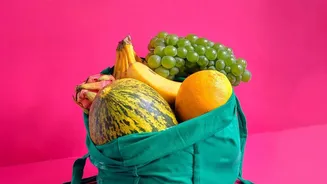
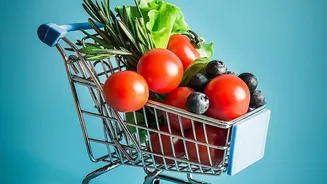
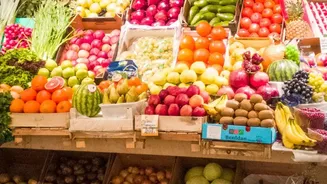
When at the market, be extra selective. Choose vegetables that are firm, brightly coloured, and free from any bruises, cuts, or soft spots, as these are entry points for microbes. It's wiser to buy whole fruits and vegetables rather than pre-cut or peeled varieties often sold by street vendors, which may have been exposed to contaminated water or air for extended periods. When buying organic produce, look for official certifications to ensure quality. Finally, purchase in smaller quantities. Given the high humidity, produce spoils faster, so buying what you need for a few days at a time minimises waste and ensures freshness.
The Smart 'Avoid' and 'Enjoy' List
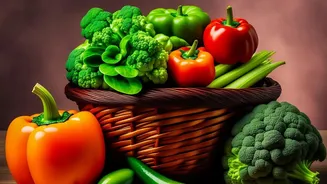
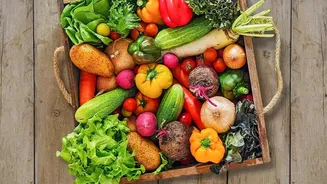
Certain vegetables are riskier during the monsoon. Leafy greens like spinach, coriander, and cabbage grow close to the ground and are difficult to clean thoroughly, often harbouring dirt and germs from contaminated soil. It is often recommended to steam or cook such vegetables well if you consume them. On the other hand, many vegetables thrive this season and are generally safer bets. Gourds such as bitter gourd (karela), bottle gourd (lauki), and ridge gourd (turai) are excellent choices. Others like okra (bhindi), cluster beans (gavar), and cucumber are also considered good additions to your monsoon diet. Seasonal fruits like jamun, plums, lychees, and pomegranates are great for boosting immunity.
The Crucial Wash-and-Store Routine
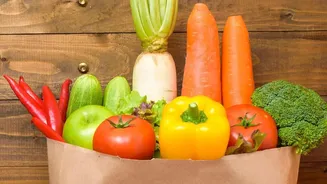
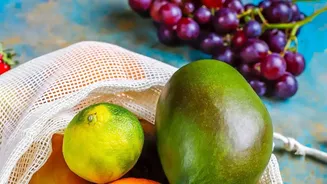
Washing produce correctly is non-negotiable. Do not wash produce until just before you plan to use it, as washing earlier can promote spoilage. Always wash your hands with soap for 20 seconds before handling food. Rinse all fruits and vegetables thoroughly under cool, running water. For firm produce like melons, cucumbers, and root vegetables, use a clean produce brush to scrub the surface, even if you plan to peel it, to prevent transferring bacteria from the knife to the flesh. Soaking vegetables in a solution of salt water or vinegar can help kill lingering pathogens. After washing, dry the produce completely with a clean cloth or paper towel, as moisture encourages mould. Store vegetables in breathable bags in the refrigerator, separate from raw meat or eggs, to prevent cross-contamination.
Beyond Produce: Other Food Safety Rules
While fresh produce is a major focus, overall food hygiene is key. Avoid street food, especially items like chaat and fresh juices that use raw ingredients and unverified water sources. The World Health Organization (WHO) emphasizes cooking food thoroughly to kill pathogens, especially meat, poultry, and eggs. It's also crucial to avoid cross-contamination by using separate cutting boards and utensils for raw and cooked foods. Always drink boiled, filtered, or otherwise purified water. These simple but effective habits are essential for staying healthy throughout the rainy season.