





What Exactly Are AI Skin Scans?
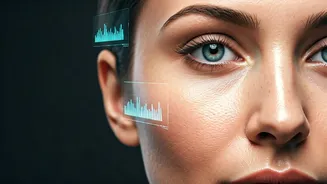
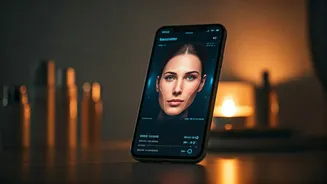
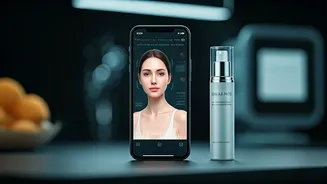
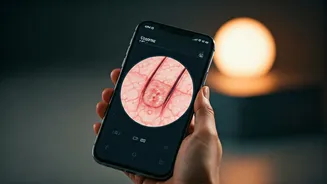
Imagine using your smartphone's camera to get a detailed report on your skin’s health. That’s the core idea behind AI skin scans. These applications use artificial intelligence to analyse a selfie, identifying and measuring concerns like dark spots, fine
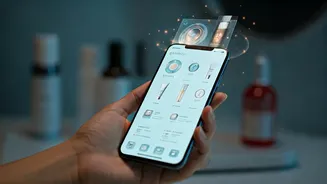
lines, wrinkles, skin texture, and pore size. By snapping a photo, the technology aims to give you a 'skin score' and a breakdown of areas that might need attention, moving beyond the guesswork of staring in the mirror. Brands like Cetaphil and Minimalist have even launched tools in India, making this technology increasingly accessible.
How Does the Digital Magic Happen?
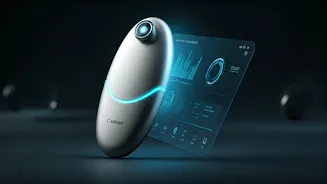
It’s a sophisticated process that feels simple for the user. When you upload your selfie, the AI doesn't just 'see' a face; it uses computer vision to detect features like colour, texture, and patterns. The algorithm then compares your image against a massive database containing thousands, sometimes millions, of labelled images of different skin types and conditions. Based on this comparison, it identifies potential issues—like redness, pigmentation, or unevenness—and generates its analysis. The final step is often a list of recommended products or ingredients tailored to address the specific concerns it flagged.
The Bright Side: Convenience and Awareness
The most significant advantage of AI skin scanners is their accessibility. You can get a quick analysis from the comfort of your home, at any time. This can be a great starting point for becoming more aware of your skin's condition and tracking changes over time. For cosmetic concerns, these tools can help demystify skincare by providing a data-driven baseline, potentially saving you from buying products based on trends rather than your actual needs. They are excellent at objective measurements, like quantifying pore size or the number of spots, which can be difficult for the human eye to track consistently.
The Reality Check: Limitations and Biases
Despite the promise, the technology has significant limitations. The accuracy of a scan is highly dependent on factors like lighting, camera quality, and photo clarity. A scan in dim bathroom lighting will produce vastly different results than one in natural daylight. Furthermore, many apps are developed by skincare brands, creating a potential bias where recommendations steer you towards their products. A major concern raised by experts is algorithmic bias; many AI models are trained on datasets that predominantly feature lighter skin tones, which can lead to less accurate or even inappropriate recommendations for people with darker skin. Conditions like hyperpigmentation can present very differently across various skin tones, and an unrepresentative dataset can fail to capture these nuances.
What Do the Experts Say?
Dermatologists are cautiously optimistic but urge users to be realistic. Most professionals see these apps as supplementary tools for cosmetic purposes, not as replacements for a medical diagnosis. They warn against using them to self-diagnose serious conditions like rashes, lesions, or skin cancer, as studies have shown their accuracy in this area can be unreliable and potentially lead to a false sense of security. A dermatologist's evaluation includes a physical examination and a detailed medical history—context that an AI cannot gather from a single photo. For any medical concerns, a consultation with a board-certified dermatologist remains the gold standard.
A Note on Data Privacy
Whenever you upload a facial image, it's wise to consider your data privacy. Facial scans can be classified as biometric data, which is highly sensitive. Before using any app, it's crucial to read the privacy policy to understand how your photos and data will be stored, used, and protected. Reputable companies should be transparent about their data handling, including whether images are encrypted and if they are used to train AI models. Some apps have been flagged for placing advertising cookies without user consent, so a bit of due diligence is essential.