
Know The Post-Monsoon Risks
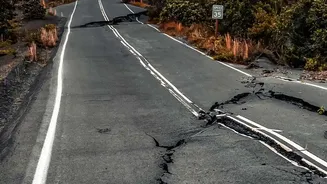
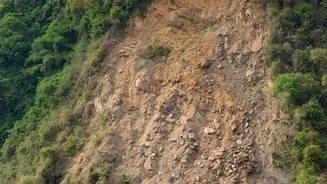
The period from late September to November is considered post-monsoon. While the heavy rains have subsided, their impact lingers. The ground is often saturated, making it highly susceptible to landslides. Even a short spell of rain can trigger a slide on these
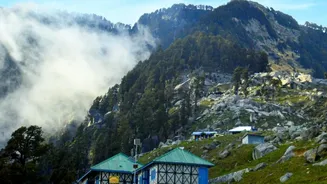
fragile slopes. Roads that were damaged during the monsoon may still be under repair, leading to closures or narrow, single-lane stretches. Early season snowfall at higher altitudes can also be a factor, as seen in the Adi Kailash region where recent snow has narrowed roads. The Himalayas are a young and geologically active mountain range, and activities like road widening can make slopes even more unstable, increasing risks even outside the peak monsoon window. Understand that a road marked 'open' can close within minutes due to changing weather.
Vehicle Readiness is Non-Negotiable
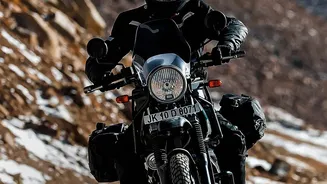
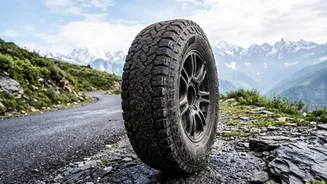
Your vehicle is your most critical piece of equipment. Before you even think of hitting the mountain roads, a thorough check-up is essential. Go beyond a standard service. Pay special attention to your tyres, brakes, suspension, and battery. Ensure your tyres have excellent tread depth—at least 3mm is recommended for wet and slushy conditions. Brakes must be in perfect working order for steep descents. Using lower gears for engine braking is a crucial technique to avoid overheating your brakes. Check all fluids, especially engine oil and coolant. Pack a comprehensive toolkit, including a reliable spare tyre, a tyre repair kit, jumper cables, and a tow strap.
Plan Your Route, But Stay Flexible
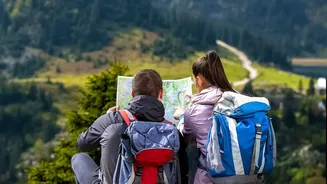
While navigation apps like Google Maps are useful, they are not always reliable for real-time Himalayan road conditions. A route shown as open may be blocked by a fresh landslide. Your primary source for road status should be official channels. The Border Roads Organisation (BRO) is responsible for building and maintaining many of these strategic routes and often provides updates. Local authorities and state disaster management agencies are also key sources. Always have a backup plan with alternate routes. Build buffer days into your itinerary to account for unexpected delays. Driving at night is extremely hazardous and should be avoided; aim to be off the road by dusk.
Mastering Mountain Driving Techniques
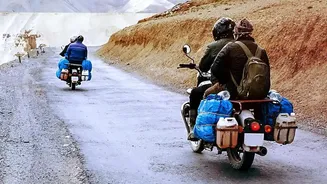
Driving in the mountains requires a different skill set. Always drive slower than you would on plains, reduce speed significantly for blind curves, and honk to announce your presence. On narrow roads, the vehicle driving uphill has the right of way. Be prepared to reverse to a wider spot to let oncoming traffic pass. When encountering water crossings, assess the depth before proceeding. If the water is above your car's door sills, it's safer not to cross. Maintain a safe following distance, as sudden stops are common. Be wary of 'shooting stones'—loose rocks that can fall without warning, especially on newly cut cliff sections.
Pack for Self-Sufficiency
In remote areas, shops and services are few and far between. You need to be self-sufficient. Pack extra layers of warm clothing, including thermals, fleece jackets, and a waterproof windcheater, as temperatures can drop suddenly. Carry enough food and water for at least 2-3 extra days in case you get stranded. High-energy snacks like nuts and chocolate are ideal. A comprehensive first-aid kit, including medication for altitude sickness, is crucial. Since mobile networks can be unreliable, a power bank is essential. Downloading offline maps for your entire route is a wise precaution.