



The Panic of the First Mile
When your pet is in distress, every second counts. Yet, for many urban pet owners in India, the most stressful part of a medical emergency is not the diagnosis but the journey to the clinic. Many find themselves scrambling for transport, facing refusals
from auto and cab drivers who are hesitant to carry an animal, especially one that is sick, scared, or bleeding. A Reddit discussion among Indian pet owners highlighted emergency transport as a significant pain point, with one user noting the trouble of getting a cab for an urgent vet visit. This critical gap in pet care infrastructure can turn a manageable crisis into a heartbreaking one. Even the most gentle animals may bite or scratch when in pain, making them difficult to handle without proper equipment or a suitable vehicle. Your personal car may not be equipped for a severely injured pet, and without a plan, you risk losing precious time when it matters most.
The Rise of Pet Ambulance Services
Fortunately, the landscape is changing. In major metropolitan areas across India, a growing number of private and NGO-run pet ambulance services are now available. These aren't just regular vans; they are often equipped with stretchers, oxygen support, first-aid kits, and sometimes even trained veterinary staff who can provide initial care during transit. Companies and veterinary hospitals in cities like Delhi, Mumbai, Bangalore, Hyderabad, and Jaipur offer 24/7 emergency transport, ensuring your pet gets to a hospital quickly and safely. These services are designed to handle animals in distress, providing a level of care and safety that a standard taxi cannot. Familiarising yourself with the services available in your city is the first step toward a robust emergency plan. A simple online search can yield a list of providers who can be lifesavers in a crisis.
How to Build Your Emergency Transport Plan
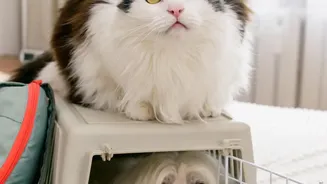
A good plan is made long before it's needed. Start by creating a dedicated 'pet emergency' contact list in your phone. Research and save the numbers of at least two or three pet ambulance services in your area. Note their hours of operation and the areas they cover. Next, identify backup options. While services like Uber Pet are not yet widespread in India, some local taxi companies or individual drivers may be pet-friendly. It is worth calling them in advance to ask about their policies. Have a sturdy, appropriately sized carrier ready to go at all times. For larger dogs, a harness and a muzzle are essential, as even the calmest dog can become unpredictable when in pain. Your plan should also include having a designated friend or neighbour who can assist you, especially if you live alone or cannot drive. Practice makes perfect; getting your pet accustomed to their carrier or to car rides under calm conditions can significantly reduce stress during a real emergency.
Creating a Pet 'Go-Bag'
Alongside your transport plan, assemble a pet emergency 'go-bag'. This kit should be kept in an easily accessible place and contain all the essentials you might need to grab in a hurry. Key items include a copy of your pet’s medical records and vaccination certificates, your vet's contact information, and the address of the nearest 24-hour veterinary hospital. Also pack a small supply of your pet's regular food, bottled water, a leash, and any required medications. A basic pet first-aid kit containing items like sterile gauze, antiseptic solution, and bandages is also a wise addition. Having everything in one place ensures that when an emergency strikes, you can focus on your pet, not on a frantic search for documents and supplies.
What If You Live in a Smaller Town?
Access to specialised services can be a challenge in smaller towns and semi-urban areas. If dedicated pet ambulances are not available, your personal network becomes even more critical. Speak to a trusted local auto or taxi driver and see if you can make a pre-arranged agreement for emergency situations. Identify friends or family members with a suitable vehicle who would be willing to help at a moment's notice. It is also vital to know the location of the nearest credible veterinarian, even if it is in a neighbouring town, and have a clear route planned. In these situations, proactive planning and community support are your strongest assets. Responsible pet ownership involves anticipating challenges and building a network of solutions before they are urgently needed.