





Understanding Monsoon Withdrawal
The monsoon's retreat is a gradual process, not a sudden event. It begins when the atmospheric conditions that bring moisture-laden winds from the sea to the land begin to reverse. The normal date for the withdrawal to commence from the extreme northwestern
parts of India, like west Rajasthan, is around September 17. From there, it's a slow, weeks-long journey, with the monsoon line retreating southeast across the country, typically completing its exit from the peninsula by mid-October. This withdrawal is as critical to the agricultural calendar as its onset, marking the end of the Kharif growing season and setting the stage for the Rabi crop sowing.
The Key Meteorological Signals
The India Meteorological Department (IMD) doesn't declare the withdrawal lightly. Specific criteria must be met. First, there must be a complete cessation of rainfall over the northwestern region for five continuous days. Second, a crucial change in wind patterns must occur: the establishment of an anti-cyclone in the lower atmosphere over the area. This high-pressure system pushes dry, continental air downwards and outwards, reversing the moist, inward flow of the monsoon. Finally, satellite imagery must confirm a significant reduction in moisture content in the atmosphere. Only when all three conditions are met does the official retreat begin.
The Latest Signs for September 2026
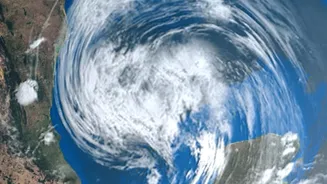
As of early September 2026, the signs of a weakening monsoon are becoming apparent. Fresh satellite images show a dramatic reduction in cloud cover over large parts of northwest and central India. While this provides a striking visual cue, forecasters are clear that this is not yet the official withdrawal. Weather models project that a 'monsoon withdrawal anticyclone' is expected to strengthen over northwest India, possibly maturing around September 21. The formal withdrawal process is widely expected to begin after September 15. This comes after an erratic season influenced by a strong El Niño, which has contributed to below-average rainfall forecasts for September.
Implications for Agriculture and Water
The timing and nature of the monsoon's withdrawal have significant consequences. For farmers, the cessation of rain is necessary for harvesting mature Kharif crops like rice, soybeans, and cotton. However, the 2026 monsoon has already been erratic, with a weak start and prolonged dry spells stressing summer crops. A dry end to the season, especially with below-normal September rains, affects the crucial soil moisture needed for planting winter (Rabi) crops like wheat and rapeseed. Low moisture can hamper seed germination and impact future yields, potentially affecting food prices and requiring India to increase imports of commodities like vegetable oils and pulses.
What Comes Next?
As the southwest monsoon retreats, the weather patterns across India begin to shift. For northern and central India, it signals the arrival of clearer skies, lower humidity, and a gradual cooling that leads into autumn and winter. However, the withdrawal from the north creates conditions for the onset of the northeast monsoon, which brings crucial rainfall to southern peninsular India, particularly Tamil Nadu, between October and December. Therefore, while one part of the country bids farewell to its rainy season, another prepares to welcome its own, highlighting the complex and dynamic nature of India's climate system.