









The Dawn Patrol: Freshness First
The first vendors to set up are almost always those selling the most perishable goods. Farmers with freshly picked vegetables, fishmongers with the morning’s catch, and butchers with prime cuts of meat have a strong incentive to start early. Their products
are at their peak right at the start of the day. For shoppers, this means the best selection of produce, like crisp greens and ripe tomatoes, is available to those who arrive right as the market opens. If you’re planning a meal around specific fresh ingredients, being an early bird is your best strategy. By mid-morning, the most popular or seasonal items might already be sold out.
The Second Wave: Prepared Foods and Beverages
An hour or so after the produce sellers have settled in, a new wave of vendors begins to fire up their grills and coffee machines. These are the stalls selling breakfast, lunch, and snacks. From hot dosas and steaming idlis to freshly brewed coffee and chai, these vendors need significant prep time. They have to set up cooking equipment, heat ovens, and prepare ingredients before they can serve their first customer. Their peak time aligns with when shoppers, having already done some grocery buying, are looking for a bite to eat or a refreshing drink. This creates a natural rhythm where the market's offerings evolve as the morning progresses.
The Afternoon Shift: Artisans and Crafters
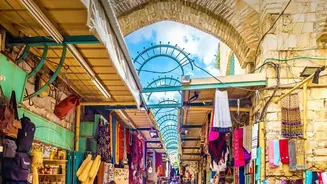
Vendors selling non-food items like handmade crafts, jewellery, clothing, and home decor often arrive the latest. Their products aren't perishable, so there's no urgency to catch the earliest shoppers. These artisans might find that their target customers are those who treat the market as a leisurely afternoon outing rather than a targeted grocery run. Furthermore, their setup can be more elaborate, involving delicate displays and careful arrangement of their wares. They often stay until the very end of the market day, catering to browsers and last-minute shoppers.
A Vendor's Reality: The Unseen Logistics
Understanding a vendor's daily schedule provides crucial context. Many travel long distances to reach the market, waking up well before dawn to load their vehicles. Upon arrival, they don’t just open a door; they have to unload, erect their stall, arrange their products, and set up payment systems. This can take anywhere from 30 minutes to over an hour. A street food vendor, for example, spends the morning shopping for their own fresh ingredients before they can even begin their prep work for the afternoon rush. Unexpected delays like traffic, vehicle trouble, or supply chain issues can also easily push back their start time. Every vendor operates as a small business with its own unique logistical challenges.
How to Plan Your Market Visit Like a Pro
To make the most of your trip, a little planning goes a long way. First, do a quick lap of the entire market when you arrive to see who is open and what’s available before you start buying. For the best selection of produce, arrive early. If you're looking for a bargain, visiting in the last hour can sometimes yield discounts as vendors prefer not to take stock home. Many vendors now use social media to post their hours and specials, so a quick check online can be very helpful. Don’t be shy about talking to the farmers and artisans; they can tell you the best time to find their products and might even share cooking tips. Embracing this staggered nature can turn a simple shopping trip into an experience of discovery.