



India's Silent Sodium Crisis
Salt is an essential part of Indian cuisine, but we are consuming far too much of it. The average Indian consumes 8 to 11 grams of salt daily, nearly double the World Health Organization's recommended limit of 5 grams. This excessive sodium intake is a primary
driver of hypertension, or high blood pressure, a condition affecting over 220 million Indians. High blood pressure is a silent killer, often showing no symptoms while significantly increasing the risk of heart attacks, strokes, and kidney disease, which are leading causes of death in the country. Experts point out that unlike in Western countries where processed foods are the main culprit, nearly 80% of sodium in the Indian diet comes from salt added during cooking at home, making household kitchens a critical focus for any public health intervention.
The Proposed Solution: Potassium-Enriched Salt
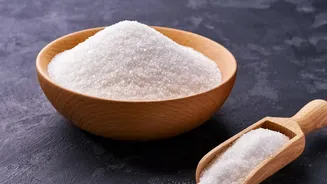
In response to this crisis, a 29-member panel of Indian medical and public health experts has put forward a significant proposal: replace regular table salt (sodium chloride) with lower-sodium salt substitutes (LSSS). These substitutes are typically composed of 70-75% sodium chloride and 25-30% potassium chloride. This simple switch tackles two problems at once. It passively reduces sodium intake without requiring people to change their cooking habits or sacrifice taste. At the same time, it increases the intake of potassium, a mineral that helps counteract the effects of sodium and lower blood pressure on its own. Research has shown that Indians' potassium intake is generally well below the recommended levels, making this a dual-benefit solution.
The Science and The Stakes
This recommendation isn't just theoretical; it's backed by substantial evidence. A large-scale study in China involving nearly 21,000 people showed that using potassium-enriched salt led to a 14% reduction in strokes, a 13% drop in major cardiovascular events, and a 12% decrease in mortality. Another study in rural India found that using LSSS significantly lowered blood pressure in adults with hypertension. One recent modelling study estimated that a nationwide switch in India could prevent nearly 400,000 deaths from cardiovascular and kidney diseases annually. Experts like Dr. Ambuj Roy of AIIMS, New Delhi, have called the intervention a 'dietary vaccine' for hypertension, highlighting its potential for widespread, passive protection.
Potential Hurdles and Safeguards
Despite the clear benefits, a nationwide rollout faces challenges. Public awareness, cost, and taste perception are significant hurdles. More importantly, while increasing potassium is safe for the general population, it can be risky for individuals with advanced chronic kidney disease or other conditions that impair the body's ability to excrete potassium. However, experts on the panel have noted that these risks are often overstated compared to the immense population-level benefits. The recommendation from the panel and the WHO includes a call for clear labelling on LSSS packages to warn individuals with such conditions. The proposal is not for a mandatory switch for every single person, but a population-level strategy to make the healthier option the default.
What This Means for Your Kitchen
If this proposal moves from recommendation to policy, you could start seeing changes in the salt aisle at your local kirana store or supermarket. The expert panel has recommended that the FSSAI formally recognise potassium-enriched salt as an 'edible salt' and that the government supports its use in large-scale food programs, like mid-day meals and institutional canteens, to build volume and normalise its use. For the average household, this would mean having a readily available and affordable alternative that looks, tastes, and cooks just like regular salt but offers significant health protection. The goal is to make the healthy choice the easy choice, turning a daily habit into a powerful tool for preventing disease.