





The Role of Electrolytes in Your Body
Electrolytes are essential minerals—like sodium, potassium, calcium, and magnesium—that carry an electric charge when dissolved in water. Your body is about 60% water, meaning these minerals are involved in nearly every bodily function. They help regulate
fluid balance, enable nerve signals to fire, allow muscles to contract, and maintain a steady heartbeat. Without them, your body's internal communication and operational systems would falter. Even minor imbalances can lead to symptoms like fatigue, headaches, and muscle cramps.
The Summer Sweat Problem
During hot summer months, especially during physical activity, your body's natural cooling mechanism is to sweat. While this is effective, sweat isn't just water; it’s also packed with electrolytes, particularly sodium and potassium. The more you sweat, the more of these vital minerals you lose. Simply drinking water can quench your thirst, but it won't replace the lost electrolytes. In fact, drinking excessive plain water can sometimes dilute the electrolytes remaining in your body, making the imbalance worse. This is why focusing on food-based hydration is so critical for active people in the summer.
Power Up with Potassium
Potassium is a powerhouse electrolyte that works to regulate fluid balance, muscle contractions, and nerve signals. It's especially important for heart health and can help counteract the effects of sodium on blood pressure. Many people don't get enough potassium in their daily diet. Excellent food sources include bananas, which are famously rich in this mineral and can help prevent muscle cramps. Avocados are another fantastic option, often containing more potassium than bananas. Other great sources are potatoes (especially with the skin on), sweet potatoes, and leafy greens like spinach.
Harness Magnesium and Calcium
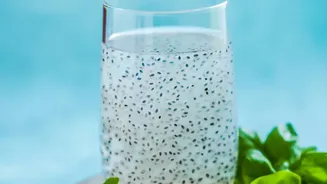
Magnesium and calcium are crucial for muscle and nerve function, energy production, and bone health. A deficiency in these minerals can lead to muscle weakness, spasms, and even an irregular heartbeat. To boost your intake, turn to leafy greens like spinach and kale, which offer both calcium and magnesium. Nuts and seeds, such as almonds, pumpkin seeds, and chia seeds, are concentrated sources of magnesium. Dairy products like milk, yogurt, and cheese are well-known for their high calcium content but also provide sodium and potassium, making them excellent for rehydration and recovery after exercise.
Embrace Naturally Hydrating Foods
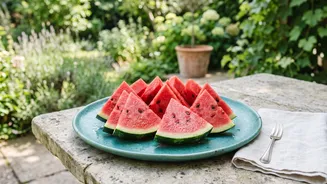
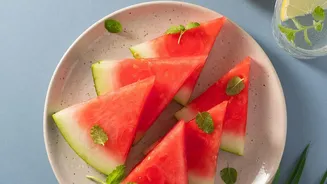
Some foods are naturally designed for hydration, containing both high water content and a fantastic mix of electrolytes. Watermelon is a summer classic for a reason; it's about 92% water and provides potassium and magnesium. A sprinkle of sea salt on a slice of watermelon can help replenish lost sodium, creating a perfect post-activity snack. Coconut water is another popular choice, often called 'nature's sports drink' because it contains a blend of potassium, sodium, calcium, and magnesium. While it may not be superior to sports drinks for intense athletes due to lower sodium, it's a great natural option for casual rehydration.