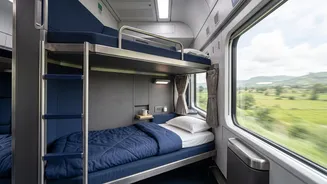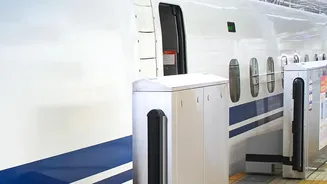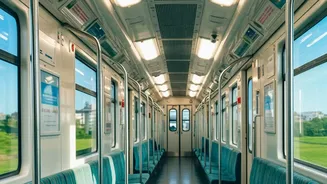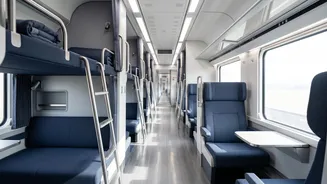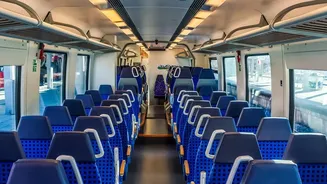





A seemingly small design choice in the new Vande Bharat Sleeper train is gaining major attention online. A viral travel video highlights how a sliding door and a small buffer zone could finally solve one of the biggest complaints of overnight travel.
The Viral Video and The Common Complaint
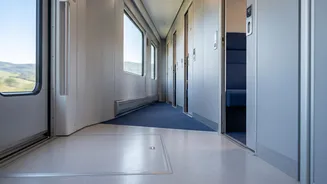
Anyone who has travelled in a 3AC coach, especially in a berth near the door, knows the struggle. The constant movement of passengers and vendors, the noise from the corridor, and the light flooding in every time the door opens can make for a restless night. A recent video by travel content creator Dhananjay Kumar has gone viral for pointing out how the Vande Bharat Sleeper's design addresses this issue head-on. The video compares the layout of a traditional coach with the new sleeper train, showing a simple but effective change: the entrance door is separated from the main cabin by a small passage. This creates a buffer, ensuring passengers in the first few berths are no longer on the front line of coach traffic. The feature has been widely praised online as a thoughtful upgrade focused squarely on passenger comfort.
How the Sliding Door Enhances Privacy
The innovation goes beyond just the door's location. The Vande Bharat Sleeper uses automatic sliding doors between coaches. This design choice serves multiple purposes. Firstly, it makes movement between coaches easier for passengers, especially those carrying luggage. Secondly, it helps maintain the air-conditioning temperature within the coach and creates a better-sealed environment. This leads to significantly reduced noise from the vestibule area and the train's movement, contributing to a quieter and more peaceful journey. For overnight travellers, this reduction in ambient noise is a major benefit, allowing for more restful sleep. The combination of the door's placement and its automatic, quieter operation creates a clear separation between the high-traffic corridor and the quiet sleeping area.
More Than Just a Door: A New Era of Comfort
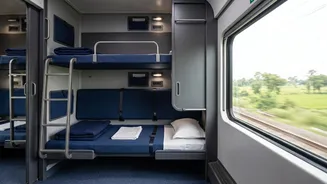
The sliding door is just one part of a much larger philosophy of passenger-centric design in the Vande Bharat Sleeper. The trains, designed for long-distance routes of over 800 km, are intended to be a significant upgrade over existing services. The berths themselves are ergonomically designed with better cushioning for improved comfort on long journeys. Each berth is equipped with its own reading light and charging points. The coaches also feature improved suspension for a smoother ride with fewer jerks and vibrations. Even the toilets have been upgraded to modern bio-vacuum systems with touch-free fittings to improve hygiene. For the first time, passengers in First AC will also have access to a hot shower facility. These features collectively signal a shift towards providing a world-class travel experience on Indian Railways.
The Bigger Picture: Safety and Rollout
Alongside comfort, safety has been a top priority. The Vande Bharat Sleeper is equipped with the indigenous Kavach Automatic Train Protection system, which is designed to prevent collisions. The coaches also feature advanced fire detection and suppression systems, CCTV surveillance, and an emergency talkback unit that connects passengers directly with the train's crew. The first prototype of the sleeper was rolled out in September 2024, with the first commercial service beginning in January 2026. Since then, services have been launched on key routes like Howrah–Guwahati and Varanasi–New Delhi, with the newest being the Bengaluru–Mumbai service that started in November 2026. Indian Railways plans to continue rolling out more of these modern sleeper trains across its network, aiming to replace older rolling stock on long distance routes.