


Why the Monsoon Magnifies Food Risks
The high humidity and ambient warmth of the monsoon season are a recipe for rapid food spoilage. Moisture in the air is a crucial factor for the growth of microorganisms like bacteria, yeast, and mould. When you leave cooked food out, even for a short
period, these microbes can multiply quickly. The Food Safety and Standards Authority of India (FSSAI) warns that this creates a higher risk of foodborne illnesses during this season. The temperature range between 5°C and 60°C is known as the 'Temperature Danger Zone', where bacteria can double in number every 20 minutes. During the humid monsoon months, food left on the counter can easily sit within this danger zone, making proper storage and reheating more critical than ever.
The Golden Rules of Reheating
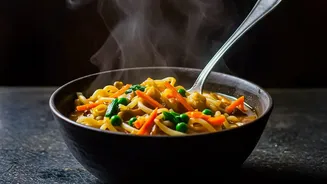
The most important rule is to reheat food only once. Every time you cool and reheat food, it passes through the temperature danger zone, increasing the risk of bacterial growth. When you do reheat leftovers, ensure they are heated thoroughly. The goal is to bring the food to a steaming hot internal temperature of at least 75°C to kill any harmful bacteria that may have developed. Use a thermometer if you can, or make sure the food is bubbling and hot all the way through, not just warm on the outside. Never use slow cookers or keep-warm settings for reheating, as they heat food too slowly, allowing bacteria to thrive.
Storing Leftovers the Right Way
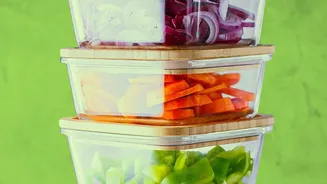
Safe reheating begins with safe storage. Do not leave cooked food at room temperature for more than two hours. To cool food quickly, divide large portions into smaller, shallow containers. This increases the surface area and helps the food cool down faster, moving it through the danger zone as quickly as possible. Storing food in airtight containers is also essential to prevent contamination. It might be tempting to let food cool completely on the counter before refrigerating, but it's safer to place it in the fridge while still slightly warm, as long as it's in shallow containers, to get the temperature below 5°C promptly.
High-Risk Foods That Need Extra Care
Certain foods are more susceptible to causing food poisoning when reheated. Cooked rice is a primary concern because it can contain spores of a bacterium called Bacillus cereus. These spores can survive the initial cooking and, if the rice is left at room temperature, they can germinate and produce toxins that reheating won't destroy. This can lead to symptoms like vomiting and diarrhoea, sometimes called 'reheated rice syndrome'. Other high-risk foods include poultry, seafood, potatoes, and dishes containing eggs or cream. When reheating chicken, ensure its internal temperature is high and there are no pink spots, as its protein structure changes upon reheating, which can sometimes cause digestive issues.
The Microwave vs. Stovetop Debate
Both microwaves and stovetops can be used safely for reheating, but they require different techniques. Microwaves can sometimes heat unevenly, leaving 'cold spots' where bacteria can survive. To prevent this, cover the food and stir it midway through heating to ensure it's cooked evenly to a safe temperature. The stovetop offers more consistent heating. When reheating on a pan or in a pot, use medium heat and stir frequently. For drier foods like greens or vegetables, adding a splash of water can help create steam and ensure they are heated through without burning. For leafy greens like spinach, which are high in nitrates, quick reheating in the microwave or on the stove is preferable to slow warming, as it minimises the time bacteria have to convert nitrates into potentially harmful nitrites.