

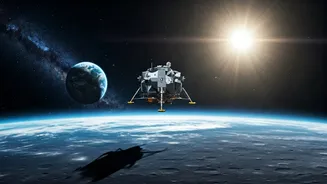


The New Race to the Red Planet
Forget the Cold War space race. The modern quest for Mars is a crowded, multi-polar affair. The players now include not just legacy powerhouses like the United States, but also rapidly ascending nations like China, and ambitious newcomers such as the United Arab
Emirates and India. Adding another layer of complexity are private companies, most notably SpaceX, whose goals are often grander and more accelerated than their government counterparts. This isn't just about planting flags; it's a multi-faceted competition for scientific discovery, technological supremacy, and the long-term future of humanity in space. Each mission, whether it’s an orbiter, rover, or an ambitious sample-return project, represents a strategic move in this unfolding interplanetary contest.
America's Public-Private Push
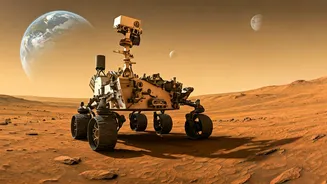
The United States is tackling Mars on two fronts. On one side is NASA, with its methodical, science-driven approach. The Perseverance rover continues to explore Jezero crater, recently detecting complex carbon molecules that could be tantalizing clues in the search for ancient life. [24, 28] However, its flagship Mars Sample Return (MSR) program, a complex mission to bring these samples back to Earth, has faced significant budget and timeline challenges, with a major decision on its revised path now expected in 2026. [12, 14, 15] On the other front is SpaceX. Elon Musk's company has a singular, audacious goal: colonizing Mars. [4] The company's reusable Starship vehicle is central to this plan, with Musk outlining ambitions for uncrewed test flights to Mars as early as the 2026/27 launch window, though recent statements have suggested a delay to focus on lunar missions first. [4, 5, 16] This dual approach—public science and private settlement—defines America's complex but powerful presence in the Martian theatre.
China's Ambitious Timelines
China has emerged as a formidable and fast-moving competitor in the race to Mars. Having successfully landed its Zhurong rover in 2021 with the Tianwen-1 mission, the country proved it could master the difficult trifecta of orbiting, landing, and roving in a single go. [19] But its ambitions don't stop there. China is aggressively pushing forward with its Tianwen-3 mission, which aims to be the first to return samples from Mars, with a planned launch around 2028 and return by 2031. [13, 20] This would potentially beat NASA to the punch. [28] Furthermore, China has outlined a long-term roadmap that includes a crewed mission to the Red Planet as early as 2033, demonstrating a clear and systematic strategy to establish a significant long-term presence. [21]
The Global Contenders
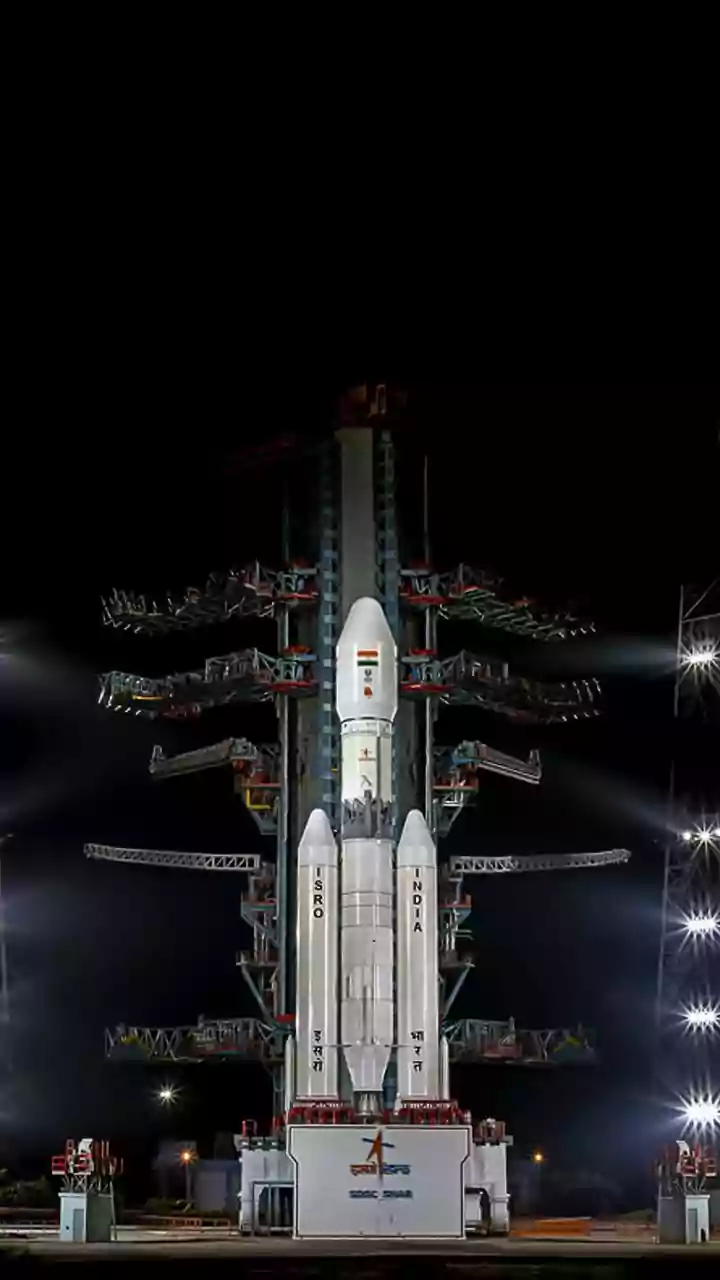
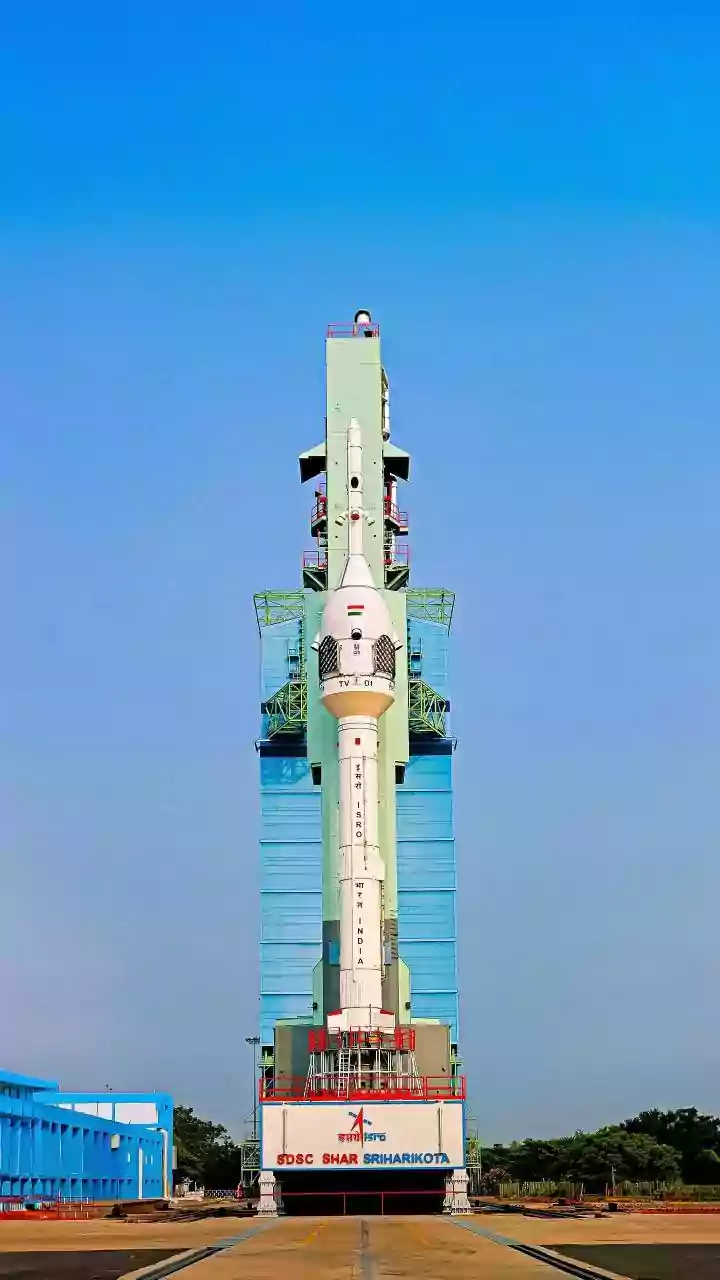
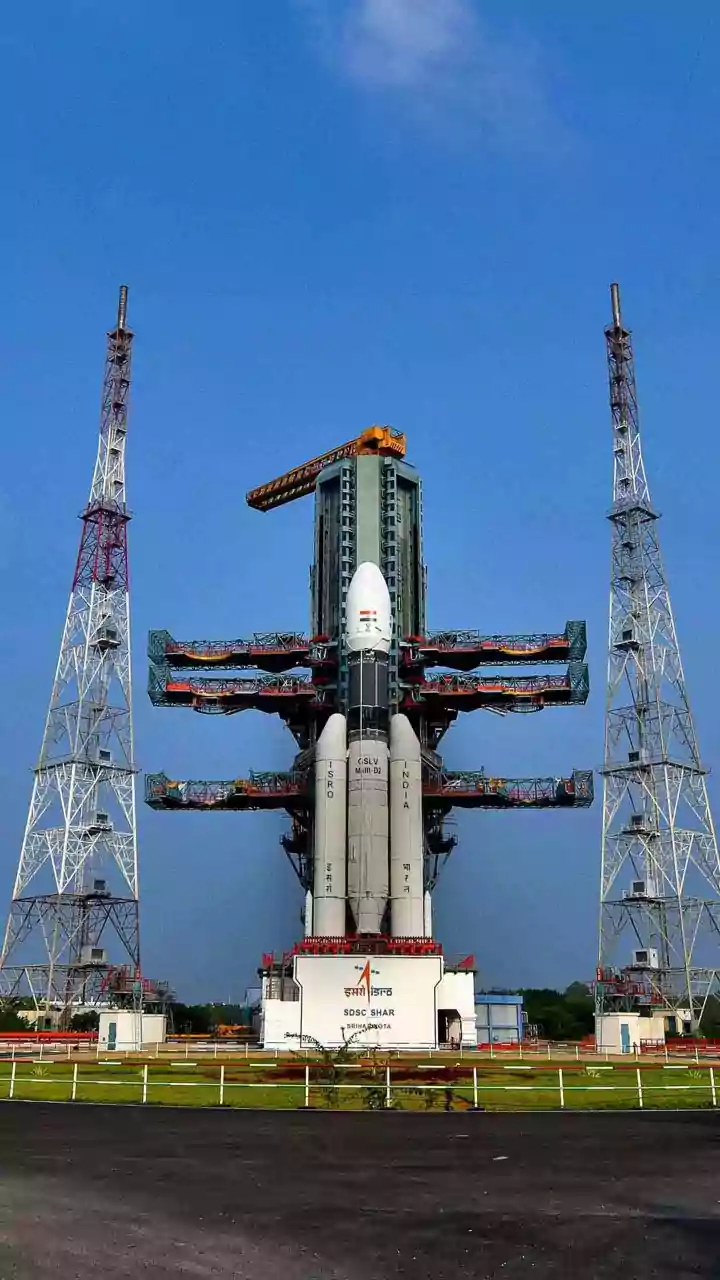
The competition extends beyond the US and China. The United Arab Emirates made a stunning debut with its Hope Probe, which entered Martian orbit in 2021. [7] The mission, which has been extended until 2028, has been highly successful, providing valuable data on the Martian atmosphere and weather patterns and inspiring a new generation of scientists in the Arab world. [6, 7, 10] India, which became the first nation to reach Mars on its first attempt with the Mangalyaan orbiter in 2014, is planning a follow-up mission, Mangalyaan-2. [27, 29] While details are still being finalized, it's expected to be a more advanced mission, potentially including a lander and rover. [18, 25, 30] Meanwhile, Japan's Martian Moons eXploration (MMX) mission, set to launch around 2026, aims to return the first samples from Mars' moon Phobos, and the European Space Agency (ESA) continues to contribute with its orbiters. [16, 22] These missions underscore the growing global interest and capability in interplanetary exploration.
Why It's More Than Just a Race
The motivations driving this new space race are as diverse as the players. For some, it is a matter of national prestige and demonstrating technological prowess on a global stage. For others, the primary driver is fundamental science—the search for evidence of past life and understanding how a once-habitable planet became the cold, dry world it is today. [13, 28] And for commercial visionaries, the ultimate goal is to make humanity a multi-planetary species, ensuring our long-term survival by establishing a self-sustaining city on another world. [4, 26] This competition accelerates innovation, pushing the boundaries of rocketry, robotics, and life support systems. While rivalry provides a powerful engine for progress, the immense challenges of Mars exploration may ultimately necessitate a blend of competition and collaboration to achieve humanity's most ambitious goals.