


Beyond the Familiar Cup of Chai
India's love for tea is legendary, but the nation's palate is far more diverse than the ubiquitous chai suggests. In the cold, high-altitude landscapes of the Himalayas, brewing traditions were shaped by necessity, local flora, and a need for warmth and sustenance.
Here, milk and sugar were not always readily available, leading to the development of unique infusions that relied on foraged herbs, roasted grains, and ingenious preparation methods. These beverages offer a window into a different culinary world, one where the flavours are earthy, complex, and deeply connected to the environment. They represent a heritage that is increasingly relevant today, especially for those seeking flavourful, plant-based alternatives to traditional dairy-based drinks.
Ladakh’s Earthy and Robust Brews
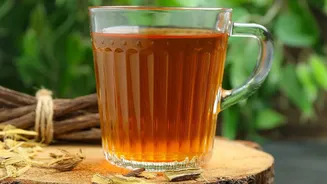
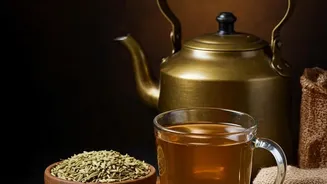
In Ladakh, the most famous tea is 'gur gur cha', a salty butter tea made with yak butter and milk, designed to provide energy in the harsh climate. However, beyond this well-known brew lies a world of simpler, dairy-free herbal infusions. Locals have long relied on wild herbs to create warming drinks. These are often made from ingredients foraged from the starkly beautiful mountainsides, including wild lavender and other native plants. The 'smoked' character of these drinks doesn't always come from a literal smoking process, but rather from the preparation itself. Ingredients like barley are often roasted over a fire until they develop a deep, nutty, and smoky flavour before being boiled in water. This method not only enhances the taste but also aligns with ancient practices of preserving food and grain through the dry winter months. The resulting brew is savoury, wholesome, and profoundly warming—a true taste of Ladakhi resourcefulness.
Sikkim’s Bounty of Wild Infusions
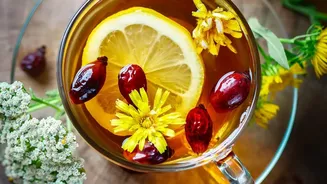
Sikkim, with its lush greenery and incredible biodiversity, offers a different palette of herbal traditions. While it is home to the famous Temi tea gardens that produce exquisite black teas, its indigenous communities, particularly the Lepcha and Bhutia, have a deep knowledge of wild, edible plants that are used in beverages. These infusions are less about a single smoked flavour and more about capturing the essence of the forest. Locals forage for flowers, leaves, and roots, each with its own distinct profile and traditional use. While not explicitly 'smoked', many ingredients are sun-dried or dried over kitchen fires, which can impart a subtle, earthy depth. For instance, teas made from roasted rice or millet offer a comforting, nutty aroma. These preparations celebrate the natural bounty of the region, providing a gentle, caffeine-free experience that is both soothing and restorative.
A Flavour Shaped by the Mountains
The unique characteristics of these Himalayan teas are a direct result of their environment. Roasting grains and drying herbs over a fire were practical solutions for long-term preservation in regions with short growing seasons. This process had the welcome effect of creating rich, complex flavours that could be enjoyed with just hot water. These infusions were, and still are, more than just beverages; they are a source of comfort and a part of the local identity. They embody a philosophy of using what the land provides, creating nourishing drinks that warm the body and soothe the soul. The smoky, roasted, and earthy notes are not just a matter of taste but a reflection of a way of life that is in harmony with the mountains.
The Modern Appeal of Ancient Teas
In a world increasingly drawn to wellness, authenticity, and plant-based living, these traditional Himalayan brews are finding a new audience. For those avoiding dairy, they are a revelation—a way to enjoy a rich, full-bodied tea experience without milk or cream. Their complex flavour profiles also appeal to discerning tea and coffee drinkers looking for something new and interesting. More than just a beverage, they offer a connection to a specific place and a rich cultural history. Exploring these teas is an invitation to slow down and appreciate the subtle, profound flavours that come from ancient traditions and a deep respect for nature.