





The Great Withdrawal and 'October Heat'
October marks the transition from the wet, rainy season to the dry winter. Meteorologically, the southwest monsoon winds weaken and recede, a process that usually completes by mid-October. As the cloud cover disappears, direct sunlight warms the land.
However, the ground and lower atmosphere are still saturated with moisture left over from the rains. This combination of rising temperatures and high humidity creates a distinctly uncomfortable and oppressive climate known as 'October heat'. Unlike the dry heat of summer, this humid warmth feels more suffocating because it hinders the body's ability to cool itself through sweating. This phenomenon is most pronounced in the northern plains, Maharashtra, and Gujarat.
Health Watch: A Time for Increased Caution
The post-monsoon period is often a critical time for public health. The combination of stagnant water left by the rains and the humid, warm conditions creates a perfect breeding ground for mosquitoes. This leads to a seasonal spike in vector-borne diseases like dengue and malaria. Water-borne ailments, including typhoid, cholera, and other gastrointestinal infections, also become more common as water sources can remain contaminated. The fluctuating temperatures between warm days and cooler nights can also contribute to a rise in viral fevers, colds, and coughs, as the body struggles to adapt. It's a season that calls for heightened personal hygiene, ensuring drinking water is safe, and taking proactive measures to prevent mosquito bites.
Clear Skies for Festive Celebrations
On the brighter side, the retreat of the monsoon ushers in a period of largely clear and dry weather, which coincides with India's major festival season, including Navratri, Dussehra, and the lead-up to Diwali. The end of the rains allows for outdoor events, community gatherings, and cultural performances to take place without the threat of a downpour. While days can be uncomfortably warm, the nights often become pleasant and cool, providing an ideal setting for evening festivities. This predictable dry spell is crucial for the countless preparations and celebrations that define this vibrant time of year across the country.
Impact on Agriculture and Air Quality
For farmers, the post-monsoon transition is a mixed bag. The cessation of rain is necessary for harvesting kharif (monsoon) crops like rice, but the residual moisture in the soil is vital for sowing the next round of rabi (winter) crops, such as wheat. However, after a monsoon season with a rainfall deficit, as seen in 2026, many regions face dry conditions and water scarcity, posing a challenge for the upcoming crop cycle. The dry, stable weather also affects air quality. With less rain to wash away pollutants and calmer winds, particulate matter can accumulate in the atmosphere, particularly in North India. This often marks the beginning of the annual air pollution season, which worsens as winter approaches.
A Good Time for Travel?
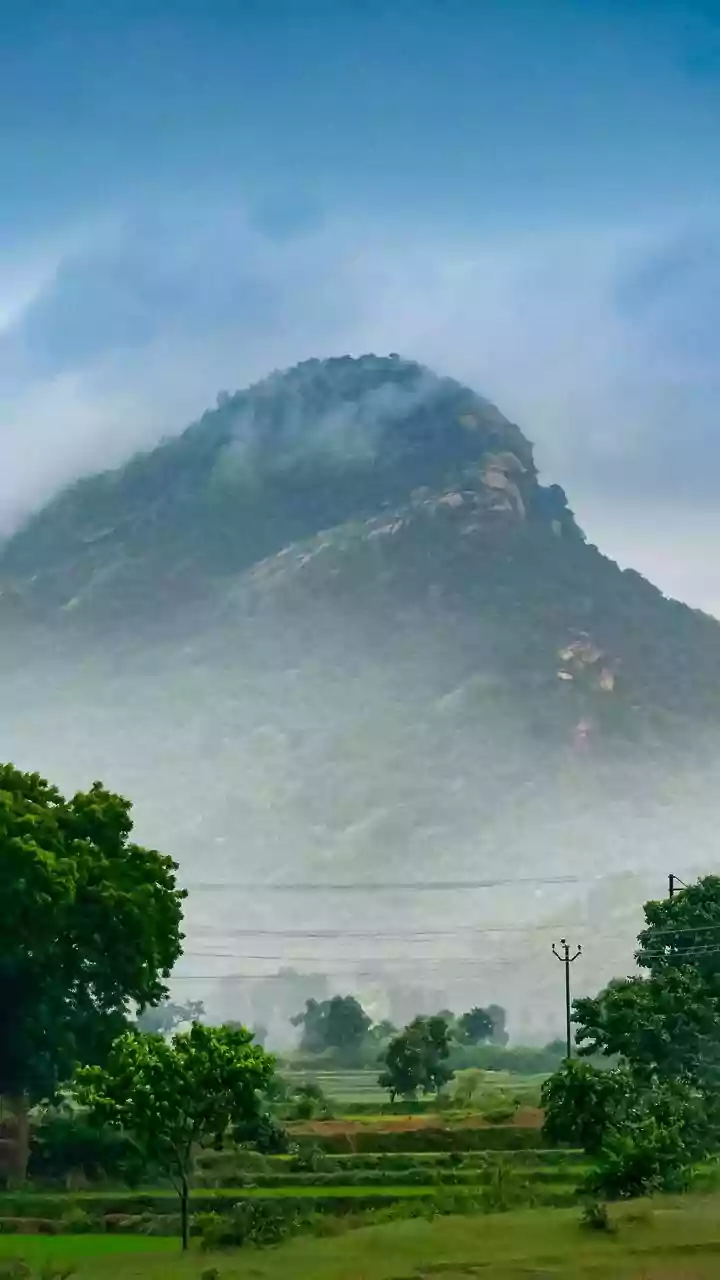
October is generally considered the start of the tourist season in many parts of India. With the rains having subsided, landscapes are lush and green, and travel becomes easier. However, the 'October heat' can be a significant factor, especially during midday. For 2026, while northwest and central India are expected to be mostly dry, the IMD has forecast normal to above-normal rainfall for parts of southern peninsular India and the northeast, which experience the northeast monsoon. So, while it's a good time to travel to many places, it's wise to check regional forecasts. The heat in the first half of the month will gradually give way to more pleasant, cooler temperatures by November.