





The Science of the Slump
That sleepy, foggy feeling that often arrives an hour or so after lunch has a biological basis. When you eat, your body breaks down carbohydrates into glucose, a type of sugar that enters your bloodstream to be used for energy. This causes your blood sugar levels
to rise. In response, your pancreas releases insulin, a hormone that helps shuttle glucose into your cells. A large meal, especially one high in refined carbs, can cause a rapid spike in blood sugar, followed by a significant release of insulin. This can lead to a subsequent sharp drop in blood sugar, often called a 'sugar crash', which leaves you feeling tired, irritable, and unable to concentrate. This entire process is known as the postprandial response, and managing it is key to maintaining stable energy throughout the day.
Your Muscles to the Rescue
This is where a short, light walk works its magic. When you engage in physical activity, your muscles need energy. To get it, they draw glucose directly from your bloodstream. This process helps lower your circulating blood sugar levels, preventing the dramatic spike that triggers the energy crash. Impressively, this muscle-driven glucose uptake can happen without a large amount of insulin, giving your pancreas a bit of a break. This makes a post-meal walk an incredibly effective tool for anyone, but especially for individuals managing insulin resistance or looking to improve their metabolic health. It's a simple, natural way to help your body process the fuel you've just given it more efficiently.
The Link to Productivity
While a walk after lunch won't magically complete your to-do list, its effect on productivity is very real. By preventing the blood sugar rollercoaster, you avoid the associated brain fog and fatigue. Stable energy levels allow for sustained focus and mental clarity, making it easier to stay engaged with your work in the afternoon. Think of it less as a direct productivity booster and more as a powerful tool for removing a major productivity blocker: the post-lunch slump. Additionally, light physical activity improves circulation, which can enhance mood and cognitive function. Even a brief change of scenery and some gentle movement can be enough to reset your mind, helping you return to your desk feeling refreshed and more capable.
How to Take the Perfect Post-Lunch Walk
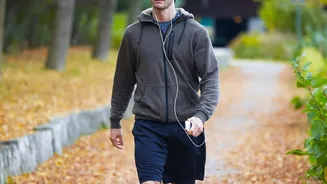
The good news is that you don't need a strenuous, hour-long workout to reap the benefits. Research shows that timing and consistency are more important than intensity. Here’s how to make it effective: Keep it short: Studies have found that walks as short as two to five minutes can have a significant impact. Most research points to a 10-to-15-minute walk as the sweet spot for blunting glucose spikes. Time it right: The most effective window for walking is within 60 to 90 minutes after you finish your meal, as this is when blood sugar levels are typically peaking. Some studies even suggest that walking immediately after eating is highly effective. * Mind the intensity: This should be a light, gentle stroll. You should be able to comfortably hold a conversation. High-intensity exercise right after a meal can sometimes cause digestive discomfort and may even temporarily raise blood sugar due to a stress hormone response.
Making It an Effortless Habit
Incorporating this into a busy day is easier than it sounds. If you work in an office, suggest a walking meeting or simply do a few laps around the building. Those who work from home can use the time to walk around the block or even pace around the living room while on a phone call. The key is to find a routine that works for you and stick with it. You can set a reminder on your phone for 15 minutes after you typically finish lunch. Don't have time for a dedicated walk? Even standing up, doing dishes, or engaging in light chores after a meal is better than sitting down immediately, as it still activates your muscles. The goal is to break up long periods of sitting, especially after eating.