






More Than Just A Number
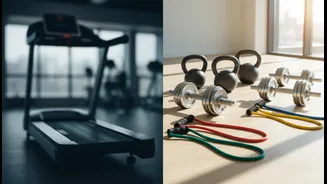
For many, the shift from cardio to lifting is a move away from the often demoralising focus on weight loss. Treadmill sessions can become a monotonous loop of chasing calorie counts, where progress feels abstract. Weightlifting, however, offers tangible,
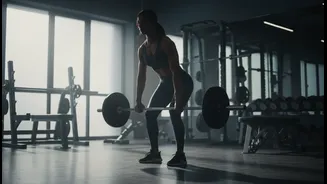
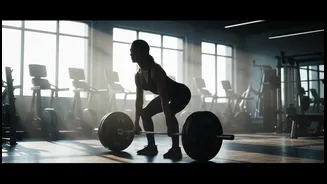
performance-based goals. The focus shifts from 'losing' to 'gaining'—gaining strength, mastering a new lift, or hitting a personal record. This provides a clear, empowering measure of progress that is not tied to the bathroom scale. Celebrating the ability to lift a heavier dumbbell or perfect a squat provides a sense of accomplishment that hours of steady-state cardio often fail to deliver. This redefines fitness as a journey of building capability, not just shrinking size.
Strength for the Mind
The mental health benefits of strength training are a significant draw. Lifting heavy weights demands focus and resilience, building mental fortitude that extends beyond the gym. Studies show that resistance training can effectively reduce symptoms of anxiety and depression. The act of successfully lifting a challenging weight provides a powerful, immediate confidence boost. For many women, this form of exercise is an empowering tool for stress relief, helping them feel more capable of handling life's challenges. The release of endorphins contributes to an improved mood, making each session a positive intervention for mental well-being.
Smarter, Not Harder Workouts
From a physiological standpoint, weightlifting offers compelling benefits. While cardio is excellent for heart health, its calorie-burning effect is largely confined to the workout itself. Strength training, on the other hand, builds lean muscle mass. This is crucial because muscle tissue burns more calories at rest than fat tissue, effectively boosting your basal metabolic rate. This 'after-burn' effect means your body continues to burn calories for hours, and sometimes even days, after a lifting session. This metabolic advantage makes many women feel their time is more efficiently spent in the weight room, yielding more sustainable, long-term results for body composition.
Finding Strength in Numbers
Unlike the often solitary experience of running on a treadmill, the world of weightlifting fosters a strong sense of community. Whether in a small group class, a CrossFit box, or simply the free weights area of a gym, there's a shared culture of support and encouragement. This social aspect provides accountability, motivation, and a space for genuine connection. In India, women-only fitness communities are also on the rise, creating safe, supportive spaces where women feel comfortable and empowered to try activities like strength training, free from judgment. Sharing struggles, celebrating personal bests, and learning from one another turns a workout into a shared, positive experience.
Leaving Old Myths Behind
A major factor in this trend is the dismantling of outdated myths, particularly the fear that lifting heavy weights will make women 'bulky'. Thanks to greater access to information online and a more diverse representation of strong women on social media, many now understand that this is largely untrue. Women have significantly lower testosterone levels than men, making it extremely difficult to build large, bulky muscles without highly specific and intense training and diet protocols. Instead, strength training helps create a toned, defined physique. As these old fears are replaced with evidence-based knowledge, more women feel free to embrace the weights and discover the strength, health, and confidence benefits for themselves.