


The Banff National Park Dilemma
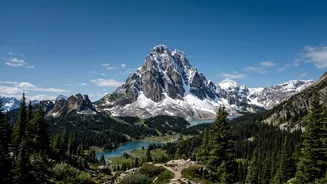
Banff is Canada’s first and most visited national park, welcoming over four million people annually. Its turquoise lakes, like Lake Louise and Moraine Lake, are breathtakingly beautiful, but their fame comes at a cost. During peak summer, parking lots
fill before sunrise, forcing reliance on a shuttle system that books up well in advance. The sheer volume of visitors can make trails feel like highways and viewpoints like photo-op queues, which can detract from the serene connection with nature many travellers seek. A recent study even gave Banff a 75% chance of being overcrowded in the summer.However, you don't have to skip it entirely. The key is strategic timing. Visiting in the shoulder seasons—May, early June, September, or October—offers dramatic scenery with significantly fewer people. If you must go in summer, start your day extremely early (before 8 a.m.) or go late in the evening (after 6 p.m.) to avoid the largest tour bus crowds. Another great strategy is to venture just beyond the main viewpoints; according to one study, 90% of visitors never leave the pavement, meaning even a short hike can lead to relative solitude. For a truly different experience, consider staying in nearby Canmore or exploring Kananaskis Country, which offer similar stunning Rocky Mountain landscapes with a more local feel.
The Joffre Lakes Instagram Effect
Not long ago, Joffre Lakes Provincial Park in British Columbia was a challenging hike known to avid local mountaineers. Today, thanks to trail improvements and its undeniable photogenic quality, it's one of the province's most popular—and congested—hikes. Visitor numbers surged over 222% in the decade leading up to 2019, with nearly 200,000 people making the trek that year. The famous floating log on the Middle Lake has become an Instagram icon, leading to queues for a photo. The park's popularity has necessitated a day-pass system to manage the flow of people and protect the fragile alpine environment from trampled vegetation and litter.If you have your heart set on seeing those brilliant blue waters, securing a day pass is non-negotiable. To avoid the worst of the crowds, aim for a mid-week visit and start your hike before 7 a.m. or later in the afternoon, as summer daylight lasts until after 9 p.m. For an alternative that still delivers stunning turquoise lakes without the intense crowds, Garibaldi Provincial Park offers numerous options. While Garibaldi Lake itself is popular, the park is vast, and trails to areas like Elfin Lakes or Cheakamus Lake are often quieter. For those seeking a truly off-the-beaten-path feel, Rohr Lake near Pemberton is another hidden gem.
Niagara Falls: Natural Wonder vs. Tourist Trap
The sheer power of Niagara Falls is undeniable. However, the experience on the Canadian side is often criticized for the commercial circus that surrounds it. The main tourist strip, Clifton Hill, is a barrage of wax museums, haunted houses, and overpriced fast-food restaurants. Many visitors find that the commercialism detracts from the natural beauty, with some Reddit threads labeling it one of the world's worst tourist traps. Inflated prices for food, souvenirs, and attractions are common complaints.To enjoy the falls without the frustration, focus on the nature. The Hornblower boat cruise (or Maid of the Mist on the U.S. side) is widely considered worth the price, offering a thrilling, up-close perspective of the falls. Walking along the gorge provides stunning views for free. Consider visiting during the off-season or on a weekday to avoid the thickest crowds. A smarter approach might be to stay in the charming, historic town of Niagara-on-the-Lake, just a short drive away. You can enjoy its wineries, boutiques, and calm atmosphere, treating the falls themselves as a spectacular, short-duration side trip rather than the main event.
Peggy’s Cove: More Than a Lighthouse
The iconic lighthouse perched on granite rocks at Peggy's Cove in Nova Scotia is one of Canada's most photographed scenes. But that fame means sharing the small village with busloads of tourists, all vying for the same classic shot. The experience can feel less like a peaceful coastal stop and more like a crowded photo op, especially during peak summer hours. With one main restaurant and gift shop, the tiny village can feel overwhelmed quickly.To have a better experience, timing is everything. Arriving before 10 a.m. allows you to enjoy the raw, windswept beauty before the tour buses descend. But the real secret is to explore the surrounding area. The South Shore of Nova Scotia is dotted with charming alternatives. Mahone Bay, with its iconic three churches reflected in the harbour, and the historic UNESCO World Heritage town of Lunenburg offer more to do and see. For a similar rugged coastal vibe without the crowds, consider visiting nearby spots like Cape Forchu or the fishing village of Prospect. These alternatives offer the same stunning ocean views and granite shorelines, but with the space to actually hear the waves.