





Monsoon's Intense Arrival
The Southwest Monsoon has now advanced across most of the country, including Delhi, Haryana, Punjab, and Rajasthan. However, the India Meteorological Department (IMD) has issued warnings for heavy to extremely heavy rainfall in several popular tourist
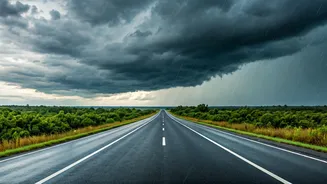
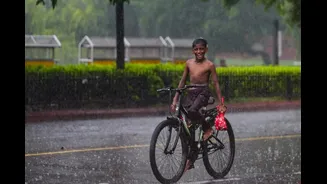
regions, creating challenging conditions. While the rains have brought relief from summer heat, they've also led to waterlogging in cities like Mumbai and prompted authorities to advise caution. A red alert was issued for Mumbai and surrounding areas due to intense rain spells, highlighting the seriousness of the situation. Interestingly, despite this intense activity, the overall forecast for July suggests below-normal rainfall for the country as a whole.
Hill Stations on High Alert
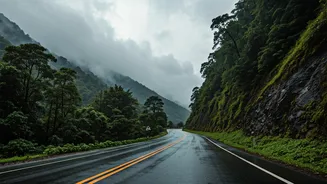
Travelling to the mountains requires special care this season. States like Himachal Pradesh and Uttarakhand are experiencing widespread, heavy rain, significantly increasing the risk of landslides and flash floods. In Himachal Pradesh, persistent showers have already led to the closure of dozens of roads, including 18 in Kullu and 15 in Mandi district, disrupting transport and essential services. Authorities have reported multiple fatalities and significant damage to infrastructure. The IMD has issued an orange alert for the state, warning of heavy to very heavy rainfall in the coming days. Helicopter services for the Kedarnath Dham Yatra have also been suspended due to the adverse weather. Officials are urging travellers to reconsider night journeys and to stay updated on road closures.
Coastal and Urban Challenges
Coastal destinations are not immune to the monsoon's force. The IMD has forecast sustained heavy rainfall for Gujarat, Konkan, and Goa. In Goa, which is popular for its misty landscapes during this season, the authorities have taken a firm step for safety. The South Goa district administration has imposed a 60-day ban on entering water bodies like waterfalls and rivers for activities like swimming or diving due to a rise in drowning incidents. While tourists can still visit these spots for sightseeing, entering the water is strictly prohibited, and violations could lead to FIRs being filed. In major cities, urban flooding is a primary concern, with heavy downpours causing waterlogging and traffic chaos in Mumbai and other urban centers, leading to fatal accidents.
Your Monsoon Travel Safety Guide
If travel is unavoidable, prioritizing safety is non-negotiable. First and foremost, monitor weather updates from the IMD and local authorities before and during your trip. Be prepared for delays and keep your itinerary flexible. For those driving in the hills, start early to avoid late-day downpours and never attempt to cross roads with active debris fall. Pack a robust emergency kit with a flashlight, power bank, first-aid supplies, and dry snacks. Always choose water-resistant footwear and carry a waterproof bag for your documents and electronics. Crucially, avoid high-risk activities like hiking near waterfalls or rivers during heavy rain. Respect all official warnings and signages—they are there for your protection.
Handling Delays and Cancellations
Disruptions are a real possibility during an intense monsoon. Airlines, railways, and road transport can all be affected by adverse weather. Before heading out, confirm the status of your flight or train. In case of cancellations, contact your service provider immediately to understand rescheduling options or refund policies. It's also wise to communicate with your hotel or accommodation provider about potential delays in your arrival. Many hotels in high-risk areas now offer more flexible cancellation policies for safety-related issues. Having travel insurance can also provide a safety net for unforeseen expenses arising from weather-related disruptions.