
The Power of Ancient Grains
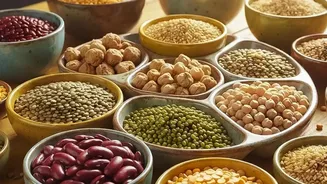
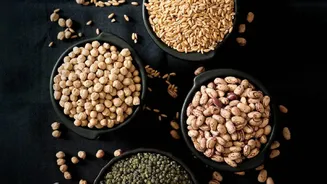
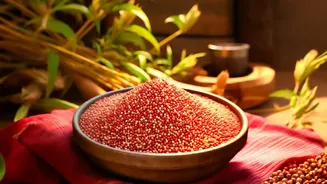
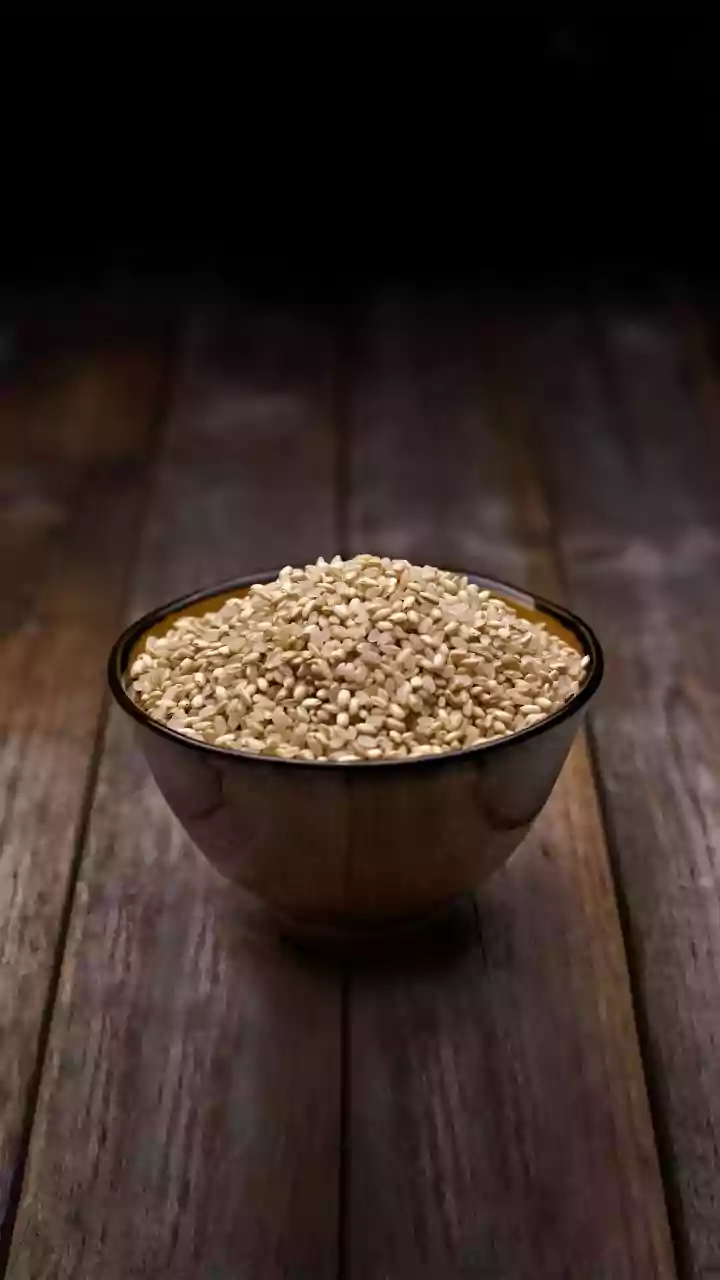
The term 'ancient grains' refers to a group of grains and pseudocereals that have been cultivated the same way for centuries. Unlike modern wheat, which has been modified for mass production, grains like farro, quinoa, spelt, and millet remain largely
unchanged. This means they often pack a richer nutritional punch, offering more protein, fibre, vitamins, and minerals than their highly processed counterparts. Their robust textures and nutty, earthy flavours also make them a far more satisfying base for a meal than simple rice or pasta. Many, like quinoa and millet, are also naturally gluten-free.
Why Grains are a Meal Prep Hero
While leafy greens can wilt and dressings can make salads soggy, cooked grains are incredibly durable. They hold their texture well in the refrigerator for days, making them the perfect foundation for a week of lunches. Their high fibre content helps regulate blood sugar and keeps you feeling full and energized throughout the afternoon, preventing the dreaded post-lunch slump. By cooking a large batch on a Sunday, you do the majority of the work upfront. During the week, all that's left is a quick, creative assembly job, transforming your prepped grains into a hearty bowl or salad in minutes.
Top Grains for Your Lunchbox
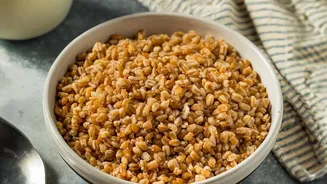
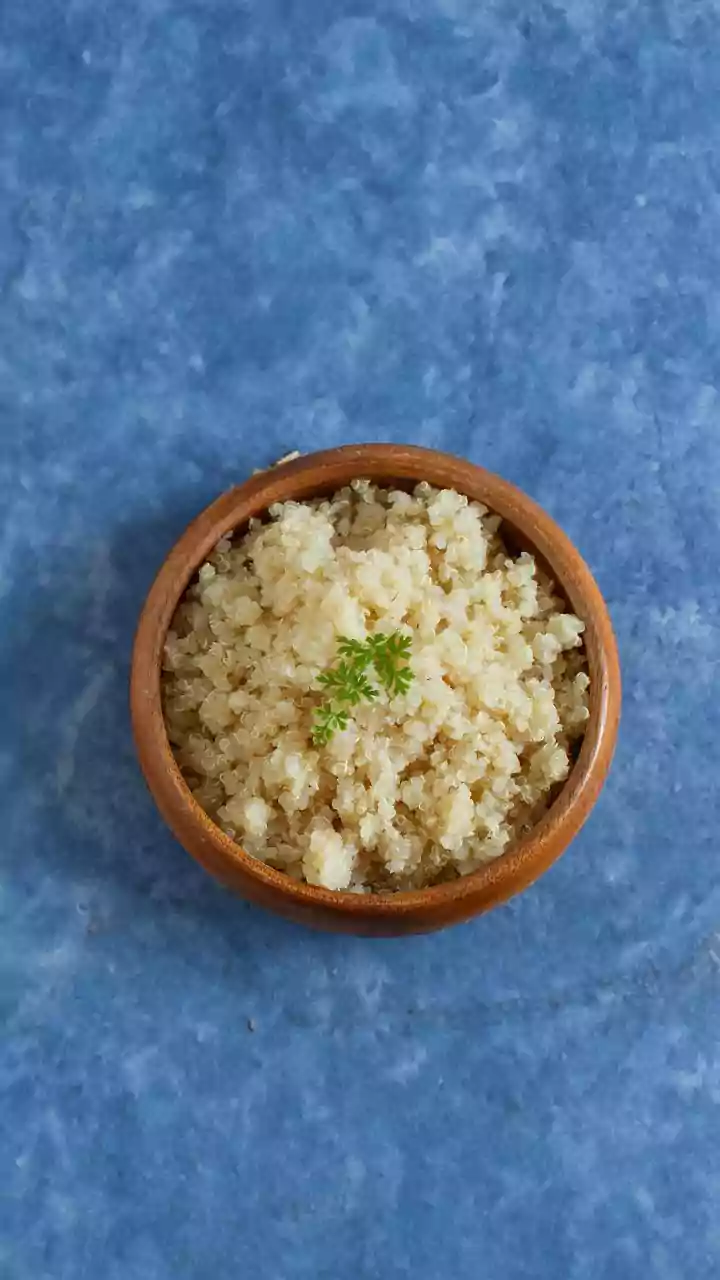
While there are many ancient grains to explore, a few are particularly well-suited for meal prepping. Quinoa: This popular pseudocereal is a complete protein, containing all nine essential amino acids. It cooks in just 15 minutes with a 1:2 grain-to-water ratio. Be sure to rinse it well before cooking to remove its natural bitter coating, called saponin. Its light, fluffy texture is perfect for salads. Farro: With a delightfully chewy texture and nutty flavour, farro is fantastic in both warm grain bowls and cold salads. It is higher in dietary fibre than both quinoa and brown rice. It typically requires a longer cooking time, around 30-40 minutes, but soaking it overnight can speed up the process. Millet: Often associated with bird feed, millet is a tiny, gluten-free grain that is packed with minerals. It has a mild, slightly sweet flavour and can be cooked to be creamy like porridge or fluffy like rice, depending on the amount of water used. It generally cooks in about 20-30 minutes.
Cook and Store Like a Pro
The key to perfect prepped grains is avoiding a mushy texture. First, always rinse your grains (except oats) to remove excess surface starch. For best results, use the correct water-to-grain ratio specified on the package, bring the liquid to a boil, add the grain, then reduce to a simmer and cover. Critically, do not stir the grains as they cook, as this can make them gummy. Once the water is absorbed, remove the pot from the heat and let it stand, covered, for 5-10 minutes to steam and firm up. Before storing, allow the cooked grains to cool completely to prevent condensation, which encourages bacterial growth. Store them in an airtight container in the refrigerator, where they will keep well for up to five days. For longer-term storage, you can freeze portions in airtight bags or containers for up to three months.
Assembling Your Lunch in Minutes
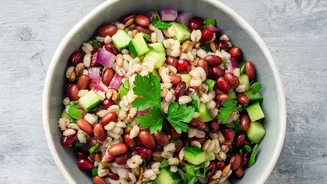
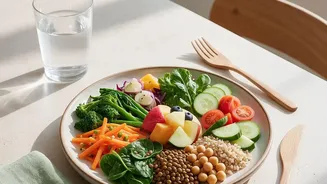
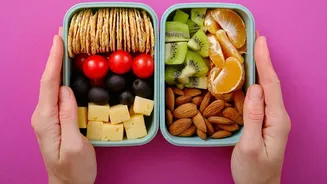
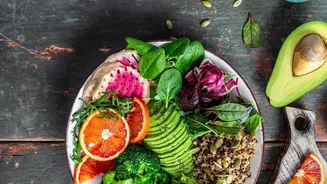
With your base grain ready, creating a balanced and exciting lunch is simple. Use this easy formula: Grain + Protein + Vegetables + Healthy Fat + Dressing. Start with a cup of your prepped grain. Add a protein source like grilled chicken, chickpeas, or crumbled feta cheese. Toss in a handful of chopped fresh or roasted vegetables, such as cucumbers, bell peppers, or broccoli. For healthy fats and texture, add some avocado, nuts, or seeds. Finish with a simple vinaigrette made from olive oil and lemon juice. The combinations are endless, ensuring you have a new and interesting meal to look forward to every day of the week.