







Prioritise Safe Drinking Water
This is the single most important rule of the monsoon. The risk of water contamination with bacteria and viruses like cholera, typhoid, and hepatitis A skyrockets during this season due to overflowing drains and sewage systems mixing with water supplies.
Doctors unanimously advise boiling all drinking water for at least one minute, even if you use a filter. A high-quality RO or UV purifier is a good second line of defence, but boiling is the gold standard for killing all pathogens. Avoid drinking water from any unverified source when outside your home.
Rethink Your Street Food Habits
The allure of hot pakoras and chaat on a rainy day is undeniable, but this is the time to be extra cautious. Food prepared in the open is highly susceptible to contamination from airborne and water-borne pathogens. The high humidity also allows bacteria to multiply faster. If you must indulge, opt for vendors who practice good hygiene, serve freshly fried, piping hot food, and avoid using chutneys or water that may not be clean. Many doctors suggest limiting street food intake significantly until the season passes.
Boost Your Immunity Naturally
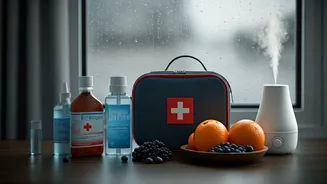
A strong immune system is your best defence against the common cold, flu, and other viral fevers that are rampant during the monsoon. Doctors recommend a balanced diet rich in Vitamin C, which is found in citrus fruits, amla, and bell peppers. Including traditional immunity-boosting spices like turmeric, ginger, and garlic in your cooking can also be beneficial. A warm cup of herbal tea or a simple 'kadha' can be soothing and help keep infections at bay. Adequate sleep and minimal stress are also crucial for robust immunity.
Make Your Home a No-Fly Zone
Monsoon means mosquitoes, and mosquitoes mean dengue, malaria, and chikungunya. The fight against these vector-borne diseases begins at home. The most critical step is to prevent water from stagnating. Empty out water from coolers, flower pot trays, and any discarded containers at least once a week. Use mosquito nets, especially for children and the elderly. Applying a doctor-approved mosquito repellent when stepping out, particularly during dawn and dusk, provides an essential layer of protection.
Keep Your Feet Dry and Clean
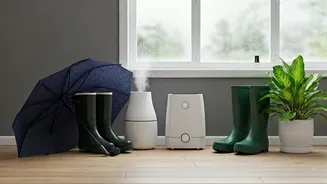
Wading through flooded streets is sometimes unavoidable, but it exposes your feet to a cocktail of germs, leading to fungal infections like athlete's foot and bacterial infections. As soon as you get home, wash your feet thoroughly with soap and water and dry them completely, paying special attention to the areas between your toes. Avoid wearing damp socks or closed shoes for long durations. Opt for open, rubber-based footwear that dries quickly and allows your feet to breathe.
Choose Cooked Food Over Raw
Raw foods, especially leafy green vegetables and salads, can be difficult to clean thoroughly and may harbour harmful microbes. During the monsoon, it's safer to switch to well-cooked meals. Steaming or boiling vegetables is a great way to ensure they are safe to eat while retaining most of their nutrients. This simple dietary switch significantly reduces your risk of contracting stomach infections, diarrhoea, and other food-borne illnesses that are common during this time.
Manage Indoor Humidity
The constant dampness of the monsoon isn't just uncomfortable; it encourages the growth of mould and mildew inside your home. These fungi can trigger allergies, asthma, and other respiratory issues. Ensure your home is well-ventilated by opening windows whenever it's not raining. Using a dehumidifier in particularly damp rooms can be very effective. Regularly check cupboards and walls for signs of mould and clean them immediately with an appropriate solution.