




Flavour at Its Peak
Ask any grandmother, and she’ll tell you: a winter carrot tastes sweeter, and a monsoon bhutta (corn on the cob) has a charm that no frozen version can replicate. This isn't just nostalgia; it's a fact of nature. When fruits and vegetables are grown and harvested
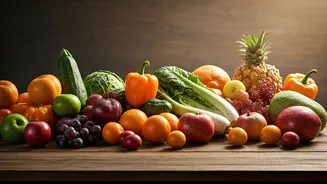
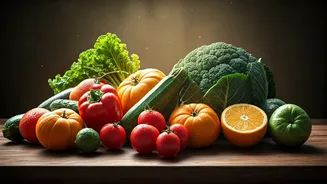
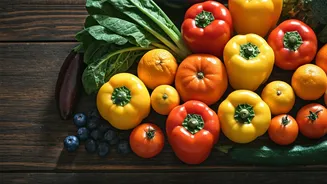
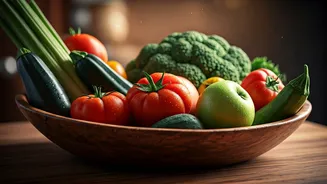
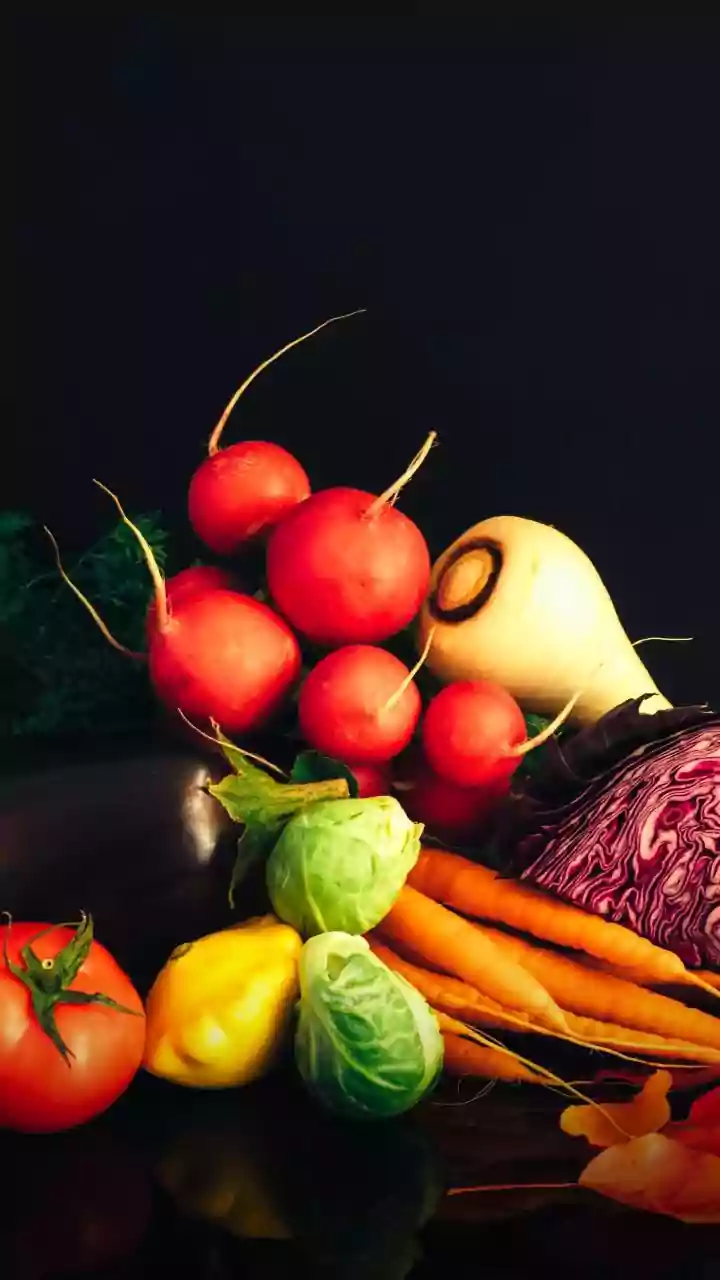
in their natural season, they are at their nutritional and flavourful peak. They receive the right amount of sun, soil, and water, allowing their natural sugars and compounds to develop fully. Foods that are grown out of season or transported across long distances are often picked before they are ripe and artificially ripened later, resulting in a duller, more watery taste. The vibrant red of a winter tomato or the deep sweetness of a summer watermelon is nature’s own seal of approval, a taste that processed foods simply cannot match.
The Ancient Wisdom of Ayurveda
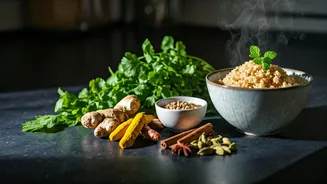
Long before modern nutritionists talked about seasonal diets, ancient Indian wisdom had it all figured out. Ayurveda is built on the principle of *Ritucharya*, which translates to a seasonal regimen. This philosophy suggests that to maintain balance and health, one should eat foods that counteract the effects of the prevailing season. For instance, the summer heat (Pitta season) is pacified by cooling foods like cucumber, melons, and coconut water. During the cold, dry winter (Vata season), the body needs warming and nourishing foods like root vegetables, ghee, nuts, and sesame. The monsoon season, which can aggravate digestion, calls for light, easily digestible foods like moong dal, gourds, and ginger. This practice isn't just about avoiding illness; it’s a proactive way of life, aligning our internal body clock with the rhythms of nature.
Good for the Body, Better for the Wallet
The economic logic of eating seasonally is simple and powerful. When a particular fruit or vegetable is in season, its supply is abundant. This natural abundance drives down prices, making fresh, healthy food more accessible to everyone. A trip to the local sabzi mandi is a testament to this; you'll find heaps of spinach and mustard greens in the winter for a fraction of what they might cost in May. This practice also directly supports local farmers and vendors who rely on these seasonal cycles for their livelihood. By choosing seasonal produce, you are not only saving money but also investing in your local economy, reducing the carbon footprint associated with cold storage and long-distance transportation.
A Tapestry of Culture and Festivals
In India, food is deeply intertwined with culture and celebration. Many of our festivals are timed around harvests, celebrating the bounty of the season. Think of Pongal in the South, a festival celebrating the harvest of rice, sugarcane, and turmeric. Or Makar Sankranti, where til (sesame) and gud (jaggery) laddoos are eaten for their warming properties during the winter. The arrival of mangoes heralds the start of summer holidays, with everything from aamras to pickles being made in households. These culinary traditions are passed down through generations, creating a shared cultural memory. Eating seasonally connects us to these rituals, to our land, and to the stories of our ancestors, turning every meal into a quiet celebration of our heritage.
Nature’s Way of Providing
Modern science is increasingly validating what traditional Indian kitchens have known for centuries. Seasonal foods provide the specific nutrients our bodies need at that particular time of year. For example, citrus fruits, which are abundant in winter, are packed with Vitamin C, helping to boost immunity and fight off common colds. Summer fruits like watermelon and lychee have high water content, which helps keep us hydrated during the intense heat. Leafy greens in winter are rich in iron and other essential minerals that provide warmth and energy. This isn't a coincidence; it's nature's intelligent design. By eating seasonally, we are essentially getting a customised diet plan from nature itself, perfectly suited to our environmental needs.