

The Core Philosophy: Inner Stillness vs. Outer Expression
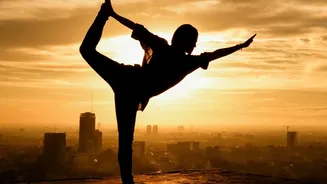
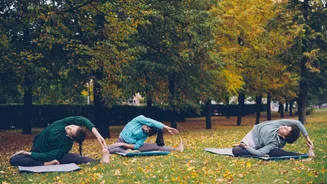
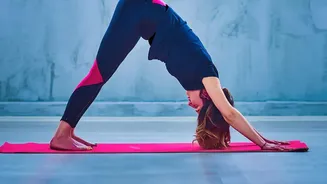
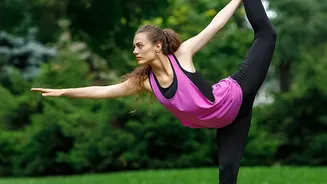
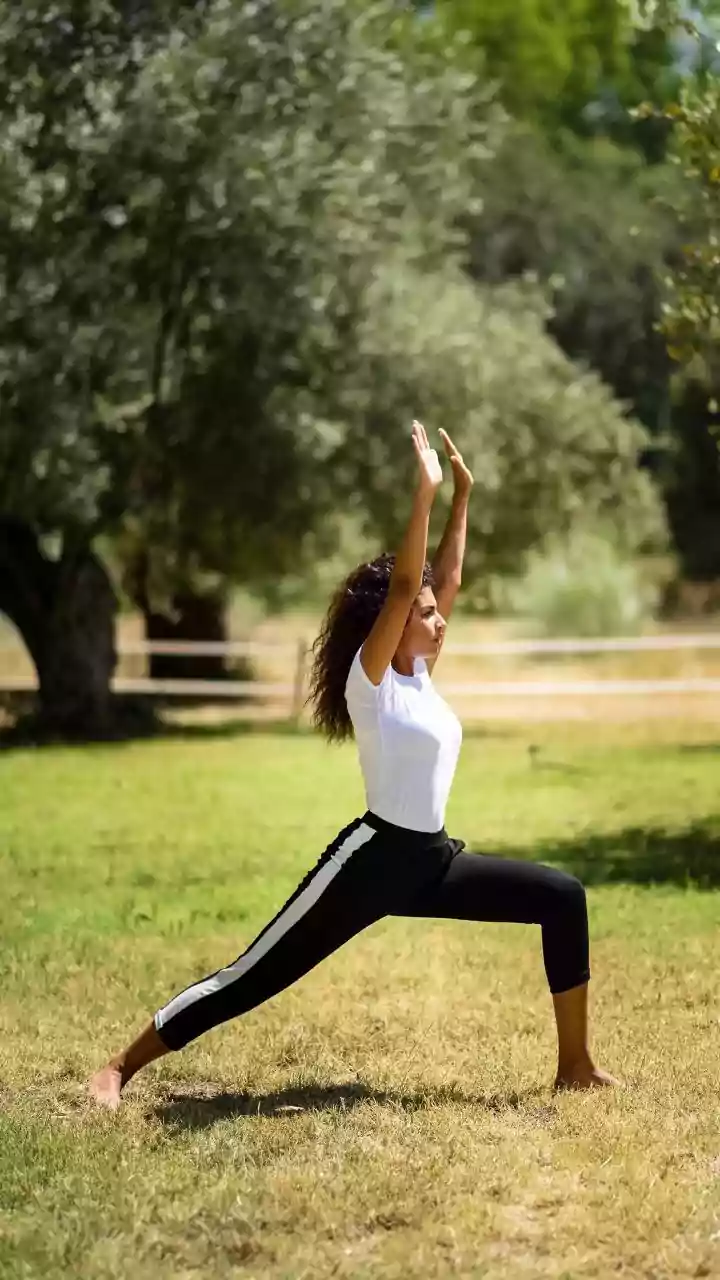
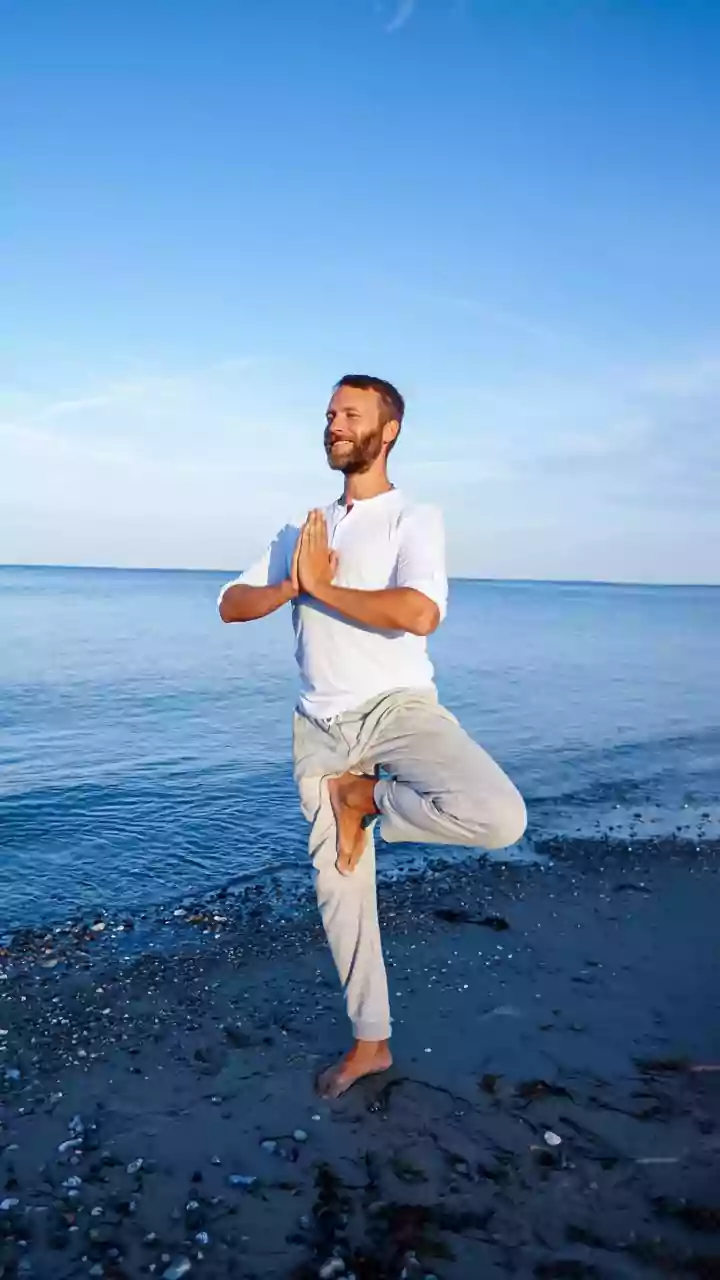
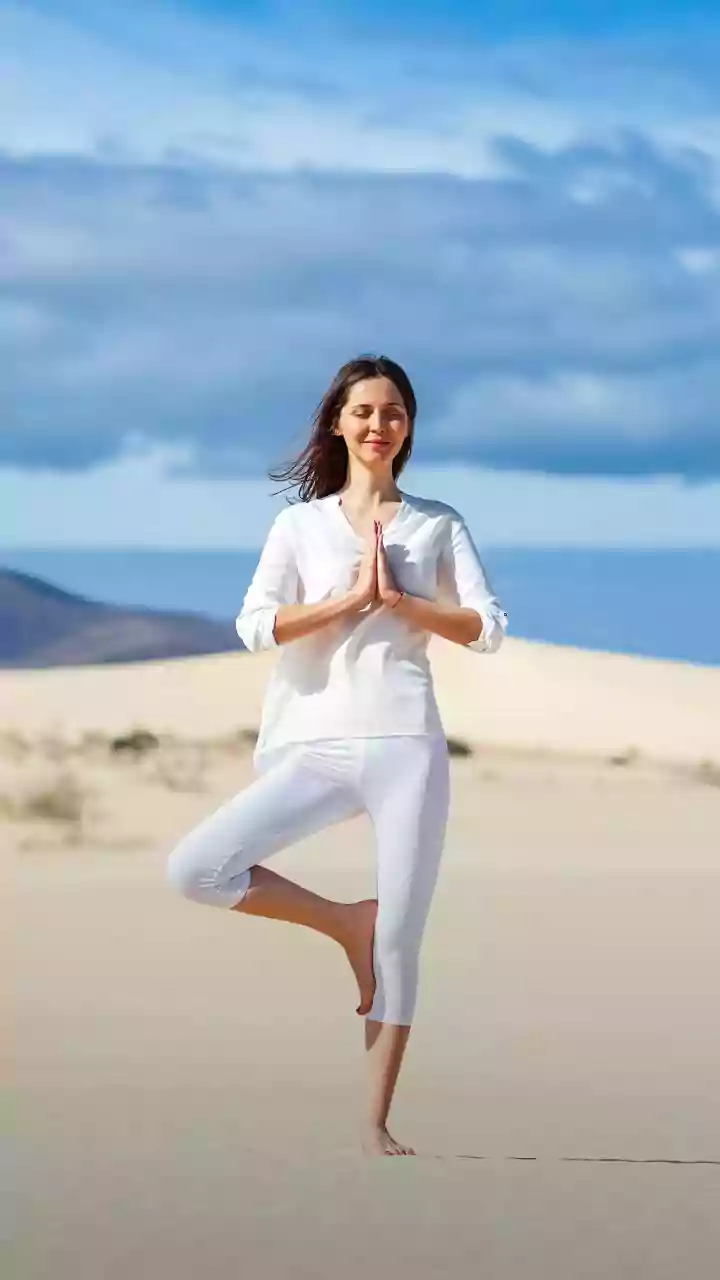
The fundamental difference between yoga and dance lies in their energy. Yoga, at its heart, is an internal practice. It's about connecting with your breath, turning your focus inward, and creating a sense of peace through controlled postures (asanas).
The goal is often mental clarity and stress reduction, achieved by calming the nervous system. Dance, on the other hand, is primarily about external expression. It's a rhythmic, often high-energy activity where you move your body to music, release emotions, and connect with the world around you. While both build a strong mind-body connection, your choice may come down to whether you seek quiet contemplation or energetic release.
Physical Benefits: Flexibility and Strength or Cardio and Coordination?
Both activities offer a fantastic workout, but they excel in different areas. Yoga is renowned for its ability to dramatically improve flexibility, balance, and core strength. Poses are often held to build muscular endurance and stability, which can help improve posture and prevent injuries. While some faster-paced styles like Vinyasa can get your heart rate up, yoga's primary physical gift is supple strength. Dance is a cardiovascular powerhouse. Activities like Zumba, Bhangra, or even salsa are excellent for heart health, stamina, and burning calories. Dance also significantly enhances coordination, agility, and rhythm as you learn to remember steps and move in time with music.
The Mental Game: Mindfulness vs. Mood-Boosting
Your mental wellness goals can guide your decision. Yoga's emphasis on deep breathing and mindfulness is scientifically shown to lower cortisol, the body's stress hormone, and can help manage symptoms of anxiety and depression. The practice encourages you to be present in the moment, fostering a sense of calm that extends beyond the mat. Dance provides a major mood boost through the release of endorphins, the brain's 'feel-good' chemicals. The combination of music, movement, and self-expression can be incredibly therapeutic, offering an outlet for pent-up emotions and promoting a feeling of joy and freedom.
The Social Scene: Communal Calm or Group Energy?
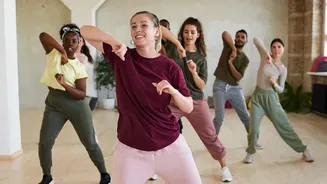
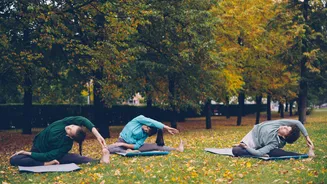
Consider whether you're looking for a solo journey or a team activity. Yoga can be deeply personal and is easily practiced alone at home. In a class setting, the atmosphere is typically one of quiet, shared focus rather than direct interaction. It fosters a sense of community through a shared, peaceful experience. Dance is often inherently social. Many forms are done in groups or with partners, creating a lively, interactive environment. Classes like Zumba or Bollywood dance thrive on group energy and camaraderie, which can be a powerful motivator for those who enjoy connecting with others while they exercise.
The Enjoyment Factor: Which One Will You Stick With?
Ultimately, the best form of exercise is the one you genuinely look forward to. Research shows that enjoyment is one of the strongest predictors of whether you'll adhere to a fitness routine long-term. If you find joy in quiet, mindful movement and the gradual mastery of poses, yoga might be your calling. You'll appreciate the internal journey and the sense of peace it brings. If you are energised by music, love to express yourself through movement, and thrive in a more social setting, you might find that dance is an activity you’ll return to again and again. It won't feel like a workout, but rather a celebration.