



What Exactly Is Fungal Acne?
First, let's clear up a common misconception: fungal acne isn't actually acne. Its medical name is Malassezia folliculitis (or Pityrosporum folliculitis), and it's an infection of the hair follicle caused by an overgrowth of yeast. This yeast, Malassezia,
naturally lives on everyone's skin without causing issues. Problems arise when it multiplies excessively, leading to clusters of small, uniform, and often very itchy bumps. Unlike bacterial acne, which features a mix of blackheads, whiteheads, and painful cysts of various sizes, fungal acne breakouts are monomorphic, meaning all the bumps look alike. They commonly appear on the chest, back, shoulders, and forehead—areas prone to oil and sweat.
The Sweat, Heat, and Humidity Connection
If you live in a hot, humid climate, you know how quickly sweat can become a constant companion. For Malassezia yeast, this is the perfect storm. Yeast thrives in warm, moist environments, and sweat provides both the heat and moisture it needs to flourish. When sweat sits on the skin, especially if trapped by tight, synthetic clothing, it creates an ideal breeding ground. This is why breakouts often worsen after a workout, during monsoon season, or on a summer holiday. The combination of increased oil production in the heat and the moisture from perspiration gives the yeast everything it needs to overgrow and trigger those frustrating, itchy bumps.
Smarter Care: Ingredients That Work
Because fungal acne is caused by yeast, standard anti-bacterial acne treatments like benzoyl peroxide or even some antibiotics won't work—in fact, they can sometimes make it worse by disrupting your skin's natural balance. Smarter care means switching to antifungal ingredients. Many effective options are found in anti-dandruff shampoos, which can be used as a face or body wash. Apply it to the affected area, let it sit for a few minutes before rinsing, and repeat a few times a week. Look for active ingredients like Ketoconazole, Selenium Sulfide, and Pyrithione Zinc. Topical creams designed for athlete's foot, containing Miconazole or Clotrimazole, can also be effective. For gentle exfoliation, salicylic acid can help without feeding the fungus.
Decoding Labels: What to Avoid
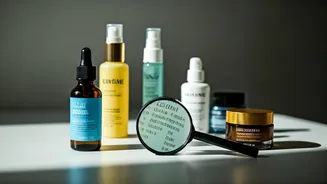
Just as important as what you use is what you avoid. Malassezia yeast feeds on certain types of oils and fatty acids commonly found in skincare. This is where many people go wrong, unknowingly nourishing the problem with rich creams and oils. Scrutinise your product labels and steer clear of most plant oils (like coconut and olive oil), fatty acids (such as oleic, stearic, and lauric acid), and esters (ingredients often ending in '-ate', like isopropyl palmitate). Fermented ingredients and some preservatives can also trigger flare-ups. Instead, opt for lightweight, oil-free moisturisers and sunscreens that are labelled 'fungal acne-safe'. Safe ingredients generally include squalane (not squalene), hyaluronic acid, and glycerin.
Lifestyle Tweaks for Long-Term Prevention
A smart routine goes beyond just products. Simple lifestyle changes can make a huge difference in managing and preventing fungal acne. Showering immediately after sweating or working out is crucial to remove the moisture that yeast loves. Choose loose-fitting, breathable fabrics like cotton and linen over tight synthetics to allow your skin to breathe. Some evidence suggests that a diet high in sugar and refined carbohydrates can encourage yeast growth, so focusing on a balanced diet may also be beneficial. Finally, always wash your towels, workout clothes, and bedding regularly to prevent the reintroduction of yeast to your skin.