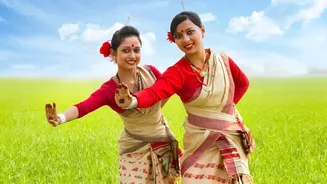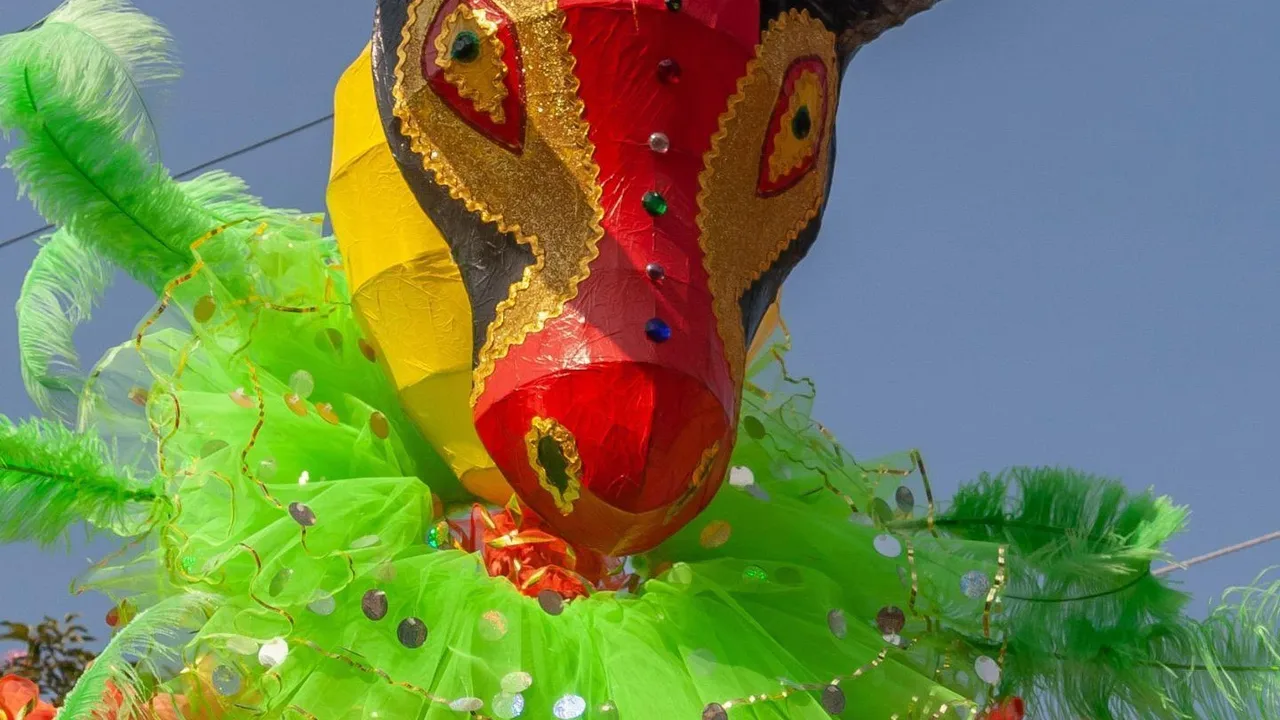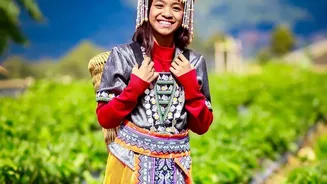

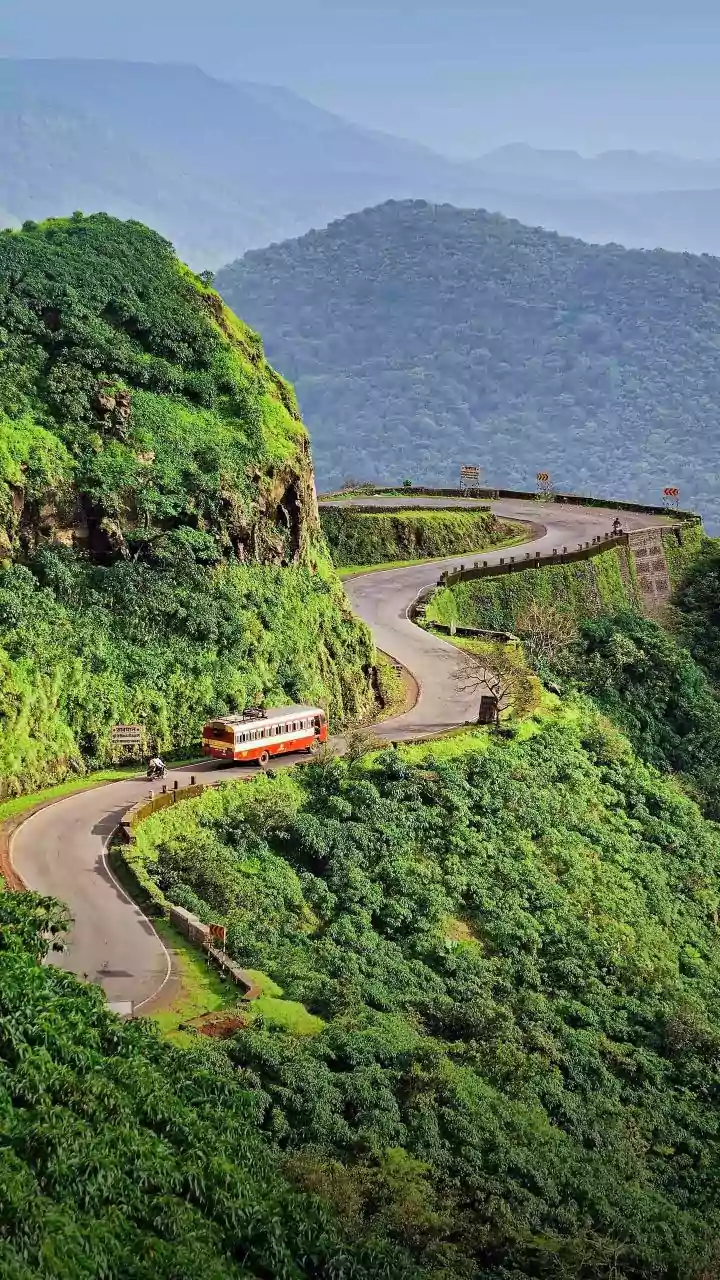



Every December, the hills of Nagaland come alive with a rhythm that is ancient yet new. The reason is the Hornbill Festival, a vibrant ten-day cultural extravaganza that has firmly placed the state on the global travel map.
The 'Festival of Festivals'
Often called the 'Festival of
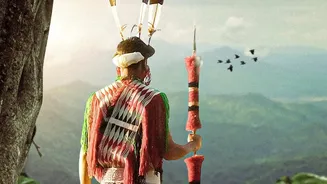
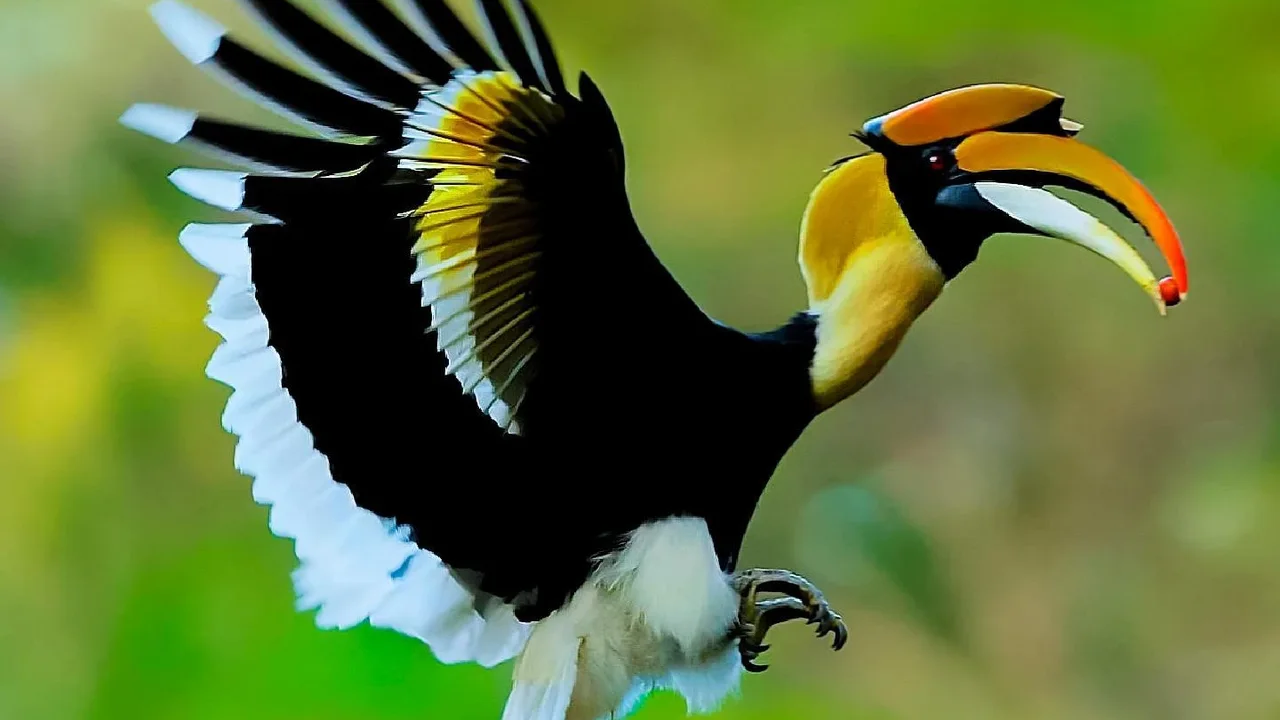
Festivals', the Hornbill Festival is Nagaland’s flagship cultural event, scheduled to run from December 1st to 10th, 2026. This annual celebration, which began in 2000, was conceptualised by the state government to preserve Nagaland's rich cultural heritage and foster unity among its diverse tribes. Held at the Naga Heritage Village of Kisama, about 12 kilometres from the capital, Kohima, it brings all of Nagaland's major tribes together in one place. The festival is named after the revered hornbill bird, a symbol of courage and honour that features prominently in Naga folklore and traditional attire. The event fittingly kicks off on December 1st, coinciding with Nagaland Statehood Day, adding another layer of significance to the celebrations.
A Living Cultural Museum
The heart of the festival lies in its immersive cultural experiences. The main arena at Kisama thunders with the sound of log drums and warrior chants as troupes from each tribe perform traditional dances and historical reenactments in magnificent, colourful attire. Beyond the stage, the festival grounds are dotted with 'morungs'—traditional thatched community houses representing each tribe. Visitors can walk through these morungs, which function as living museums and interactive spaces. Here, you can meet elders, watch artisans demonstrate ancient weaving and craft techniques, and learn about the customs and rituals that define each community’s unique identity. It’s an unparalleled opportunity to witness the cultural tapestry of the Naga people in a single, vibrant location.
A Feast for the Senses
No trip to the Hornbill Festival is complete without indulging in Naga cuisine, which is known for its bold, smoky, and fiery flavours. Food stalls run by different tribes offer a chance to sample authentic dishes that are central to their culture. Visitors can try delicacies like smoked pork with bamboo shoot, curries seasoned with 'axone' (fermented soybean), and chutneys made from the legendary Naga king chilli. The air is filled with the aroma of wood-fired grills and traditional cooking. To complement the food, you can also taste 'zutho', a locally brewed rice beer offered with warm hospitality.
The Modern Beat of Hornbill
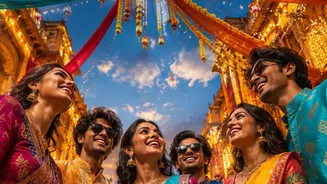
While tradition is at its core, the Hornbill Festival also embraces modernity. As evening falls, the action shifts from Kisama to Kohima, where the Hornbill Music Festival takes centre stage. This part of the festival features the Hornbill International Rock Contest, one of India's oldest and most prestigious battles-of-the-bands, attracting rock acts from across the country. The nights are filled with concerts, a bustling night carnival with street food and live performances, creating an electric atmosphere that appeals to a younger, contemporary audience. This blend of ancient and modern highlights the dynamic and evolving nature of Naga culture.
Why December Is the Perfect Time
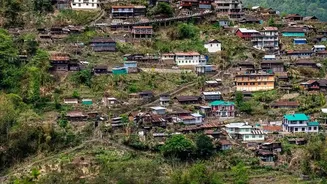
The Hornbill Festival is the primary draw, but Nagaland's appeal in December extends beyond the event itself. The winter season offers pleasant, cool, and dry weather, with daytime temperatures ideal for exploration. This makes it the perfect time for outdoor activities like trekking in the scenic Dzukou Valley or visiting historic villages like Khonoma, known for its communityled conservation efforts. The postmonsoon landscape is lush and green, providing a stunning backdrop for any journey. For travellers, December offers a complete package: a worldclass cultural festival combined with the perfect climate to discover the natural beauty and rich history of this fascinating corner of Northeast India.