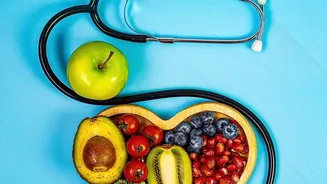








What is a Pre-Festival Reset?
Think of this not as a restrictive diet, but as a gentle tune-up for your digestive system. The goal isn't to 'detox' but to support your body's natural processes, reduce potential bloating, and boost your energy levels before the feasting begins. By
focusing on nutrient-dense, easy-to-digest foods in the week or two leading up to the festivities, you can create a resilient foundation. This approach helps your gut handle richer foods and irregular schedules with greater ease, allowing you to savour every moment of the celebration without discomfort.
Adopt Clean and Simple Eating
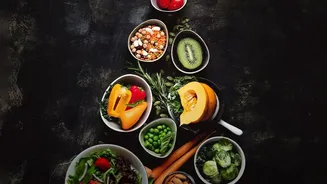
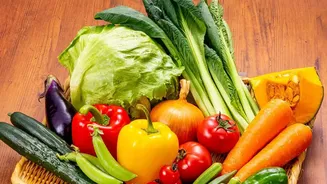
Clean eating simply means choosing foods that are as close to their natural state as possible. Focus on whole foods: fresh fruits, a colourful variety of vegetables, lean proteins, and whole grains like oats and brown rice. Try to minimize highly processed items, especially those with added sugars, excessive salt, and unhealthy fats. You don't need to eliminate anything entirely; just shift the balance. For example, swap a sugary breakfast cereal for a bowl of oatmeal with berries or choose grilled chicken over fried. These small changes reduce the workload on your digestive system.
Prioritise Your Gut Health
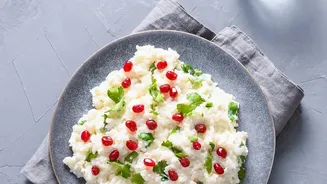
A happy gut is key to overall well-being. Support your gut microbiome by incorporating fibre-rich and fermented foods. Fibre, found in vegetables, legumes, and whole grains, acts as a prebiotic, feeding the beneficial bacteria in your gut. Aiming for a diverse range of plant-based foods is highly beneficial. Probiotic foods like plain yogurt, kefir, and kimchi introduce good bacteria that aid digestion and support your immune system. Don't forget to stay hydrated; water is crucial for helping fibre do its job and preventing constipation.
The Comfort of Light Soups
Soups are a perfect pre-festival food. They are hydrating and generally easy to digest, giving your system a gentle break. A warm bowl of soup can be both comforting and incredibly nutritious. Broth-based vegetable soups are excellent choices, as they preserve many of the vitamins and minerals from the ingredients. They provide fluids and soft-soluble fibres that can help ease digestion and prevent bloating. Consider simple recipes like a lentil soup, which is rich in fibre, or a classic tomato soup. These meals can leave you feeling full and satisfied without feeling heavy.
Listen to Your Body
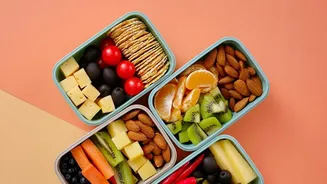
Beyond what you eat, how you eat matters. Practice mindful eating by slowing down and chewing your food thoroughly. It can take up to 20 minutes for your brain to register that you're full, so rushing through meals can lead to overeating. Pay attention to your body's hunger and fullness signals. It's also important not to skip meals in an attempt to 'save' calories for a big event, as this often backfires and leads to overindulgence later. Instead, have a small, healthy snack like a piece of fruit or a handful of nuts to keep your appetite in check.
Don't Forget Movement and Rest
A holistic approach always works best. Gentle, regular movement like a daily walk can aid digestion and improve gut motility. Exercise is also a fantastic way to manage stress, which has a direct impact on your digestive health. Furthermore, prioritise getting enough sleep. A lack of sleep can disrupt appetite-regulating hormones and has been shown to negatively affect your gut microbiome. Aiming for consistent, quality rest helps ensure your body is fully prepared for the fun and late nights ahead.