







The Shifting Tides of Monsoon Pricing
For years, the monsoon season from June to September meant deep discounts for hotels. Lower demand translated to attractive prices, especially in leisure destinations. However, that trend is evolving. While deals can still be found, the notion of a universal
“off-season” price drop is fading. Major hospitality groups report that resilient demand is keeping tariffs more stable than in previous years, particularly in popular spots like Goa. Instead of across-the-board reductions, pricing is now more dynamic. Travellers might not see the 24% price drops that were common pre-pandemic, but hotels are bundling offers, such as including meals or spa credits, to provide value. The key takeaway for 2026 is that while the monsoon is no longer a guaranteed bargain season everywhere, it presents a different kind of value focused on experiences and packaged deals.
The Hunt for Flexible and All-Inclusive Deals
In response to changing travel habits, hotels are getting creative with their monsoon offers. Flexibility is a major draw. Many hotel chains are promoting packages with features like complimentary room upgrades, flexible stay windows, and discounts on food and beverages. For instance, major brands like Taj Hotels and Royal Orchid Hotels have rolled out specific monsoon packages that include meals, spa discounts, and other perks, encouraging guests to settle in and enjoy the property even during heavy showers. Online travel agencies are also driving this trend, with sales offering significant discounts on combined flight and hotel bookings, and partnerships with banks for easy EMI options. These deals are designed for the modern traveller who might plan a last-minute weekend trip based on a good weather forecast.
The Allure of Drivable, Quieter Destinations
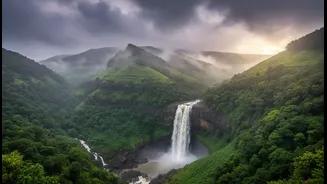
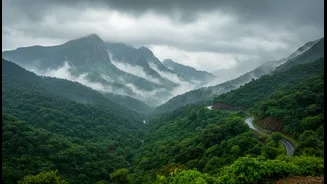
While destinations like Goa and Kerala are seeing a surge in monsoon visitors, a parallel trend is the search for quieter, less-crowded alternatives. Drivable getaways are especially popular, as travellers from cities like Mumbai, Bengaluru, and Delhi seek quick escapes to nearby hills and countryside. The Western Ghats in Maharashtra, for example, are full of alternatives to perpetually crowded spots like Lonavala. Places like Igatpuri, Malshej Ghat, and Bhandardara offer the same lush greenery and cascading waterfalls but with a fraction of the tourists. Similarly, in the south, while Munnar and Coorg are popular, destinations like Wayanad, Kodaikanal, and Valparai provide serene, rain-washed landscapes ideal for those looking to avoid crowds. These offbeat spots often provide a more authentic and peaceful experience of the Indian monsoon.
What to Look for Beyond the Price Tag
Booking a monsoon holiday isn't just about finding the right price; it's also about ensuring a comfortable and safe stay. Travellers are increasingly prioritising experiences, choosing destinations that align with interests like wellness, culture, or adventure. When booking, it's wise to check for amenities that are crucial during the rainy season. Good road access is vital, as some rural routes can be affected by heavy rain. Within the hotel, check for power backup, in-house dining options, and indoor recreational activities. Many travellers now prefer holistic stay experiences that go beyond a simple room, looking for wellness facilities, regional cuisine, and curated local tours. Reading recent reviews can also provide insight into how a property handles monsoon-specific challenges, ensuring your rainy-day retreat is relaxing for all the right reasons.