






Warm, Nourishing Soups
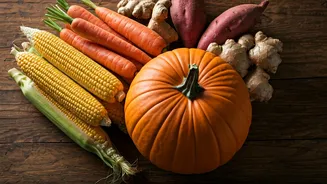
A bowl of hot soup is like a warm hug on a rainy day. During the monsoon, our digestive fire (agni, in Ayurveda) is weaker, making it harder to break down heavy foods. Light, warm soups made from vegetables like pumpkin, carrots, or tomatoes are easy
on the stomach. They hydrate you, provide essential nutrients, and keep you warm from the inside out. Adding a pinch of black pepper can further aid digestion and help clear congestion. Avoid heavy, cream-based soups and opt for clear broths or lightly pureed versions for maximum benefit.
The Power of Golden Turmeric
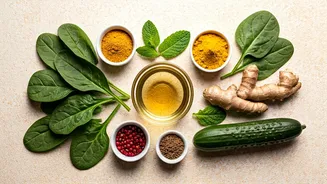
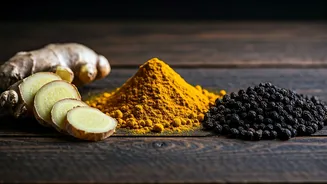
This isn't just a trend; it's ancient wisdom. Turmeric (haldi) is a powerhouse of medicinal properties. Its active compound, curcumin, is a potent anti-inflammatory and antioxidant. The monsoon is a time when infections are rife, and a daily dose of turmeric can significantly boost your immunity. The easiest way to incorporate it is through 'haldi doodh' (turmeric milk) before bed. It soothes the throat, fights off germs, and promotes restful sleep on those stormy nights. You can also be generous with it in your daily cooking.
Ginger and Garlic: The Immunity Duo
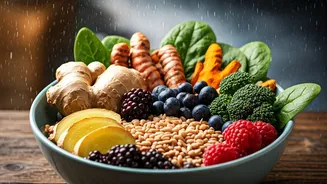
No Indian kitchen is complete without ginger (adrak) and garlic (lehsun), and for good reason. Both are celebrated for their powerful antibacterial and antiviral properties. Ginger is fantastic for digestion, helping to quell nausea and bloating, which are common complaints during this season. Garlic is a known immunity booster. A warm cup of ginger tea or adding freshly minced ginger and garlic to your dals and sabzis not only enhances flavour but also fortifies your body's defences against common monsoon ailments like colds and flu.
Choose Light, Digestible Pulses
While protein is essential, heavy dals like kidney beans (rajma) or chickpeas (chhole) can be hard on a sluggish monsoon digestive system. Instead, switch to lighter, easier-to-digest options like moong dal. It's packed with protein and fibre but is gentle on the stomach. A simple moong dal khichdi, seasoned with a little ghee and turmeric, is the ultimate comfort food for this season. It's a complete meal that nourishes the body without overburdening your gut, helping you feel light and energetic.
Enjoy Seasonal Fruits Wisely
The monsoon brings a bounty of delicious fruits like jamun, peaches, plums, and pears. These are packed with vitamins and antioxidants that are crucial for staying healthy. However, exercise caution. Because of the higher risk of contamination from soil and water, ensure all fruits are washed thoroughly with clean water before consumption. It's best to stick to fruits with thicker peels. Avoid pre-cut fruits from street vendors, as they can be a source of water-borne infections. Eating them whole and fresh at home is the safest and most nutritious way.
Harness the Power of Probiotics
Gut health is the cornerstone of overall immunity. The damp weather can sometimes lead to a proliferation of bad bacteria, leading to stomach issues. Including probiotics in your diet helps maintain a healthy balance of gut flora. Fresh, homemade yogurt (dahi) or buttermilk (chaas) are excellent sources. A glass of chaas, seasoned with roasted cumin powder and black salt, is not only refreshing but also a fantastic digestive aid that cools the body and supports a healthy gut microbiome, which is your first line of defence.
Sip on Soothing Herbal Teas
Swap your regular caffeinated drinks for warming herbal infusions. Teas made from tulsi (holy basil), lemongrass, mint, or a mix of spices like cinnamon and cardamom are perfect for the monsoon. These herbs have antimicrobial properties that help fight infections. A warm cup can soothe a sore throat, clear your sinuses, and provide a sense of calm and well-being. They keep you hydrated while also giving your immune system a gentle, consistent boost throughout the day.