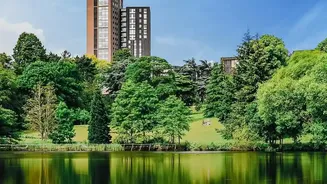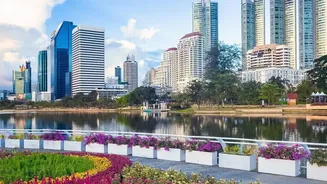



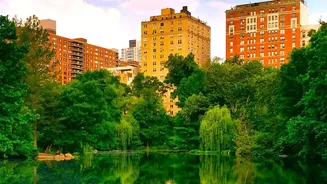
As Indian cities swelter under rising temperatures, an ancient and often overlooked feature offers a powerful solution: the urban lake. These bodies of water are more than just scenic spots; they are crucial environmental assets.
Understanding the Urban Heat Island
If you've ever felt a
wave of heat radiate from the pavement long after sunset, you've experienced the urban heat island effect. Cities, with their dense concentration of concrete buildings, asphalt roads, and other man-made surfaces, absorb and retain significantly more solar radiation than their rural counterparts. This stored heat is released slowly, keeping urban areas several degrees warmer, especially at night. This phenomenon is not just a matter of discomfort; it poses serious health risks, particularly for vulnerable populations, and increases energy consumption for cooling. In India, rapid urbanisation has intensified this effect, with cities across the country experiencing more frequent and severe heatwaves.
Nature’s Own Air Conditioners
This is where urban lakes come in. Water bodies act as natural regulators of temperature through two primary mechanisms. Firstly, water has a high heat capacity, meaning it can absorb large amounts of heat without a significant rise in its own temperature. During the day, a lake absorbs solar energy, keeping the surrounding air cooler than it would be over a concrete surface. Secondly, and more importantly, is the process of evaporative cooling. As water evaporates from the lake's surface, it draws energy, in the form of heat, from the surrounding air, causing a noticeable drop in temperature. This process is similar to how sweating cools the human body. The cooling effect can be significant, with studies showing that areas near urban water bodies can be several degrees cooler than the rest of the city.
Beyond the Cooling Breeze
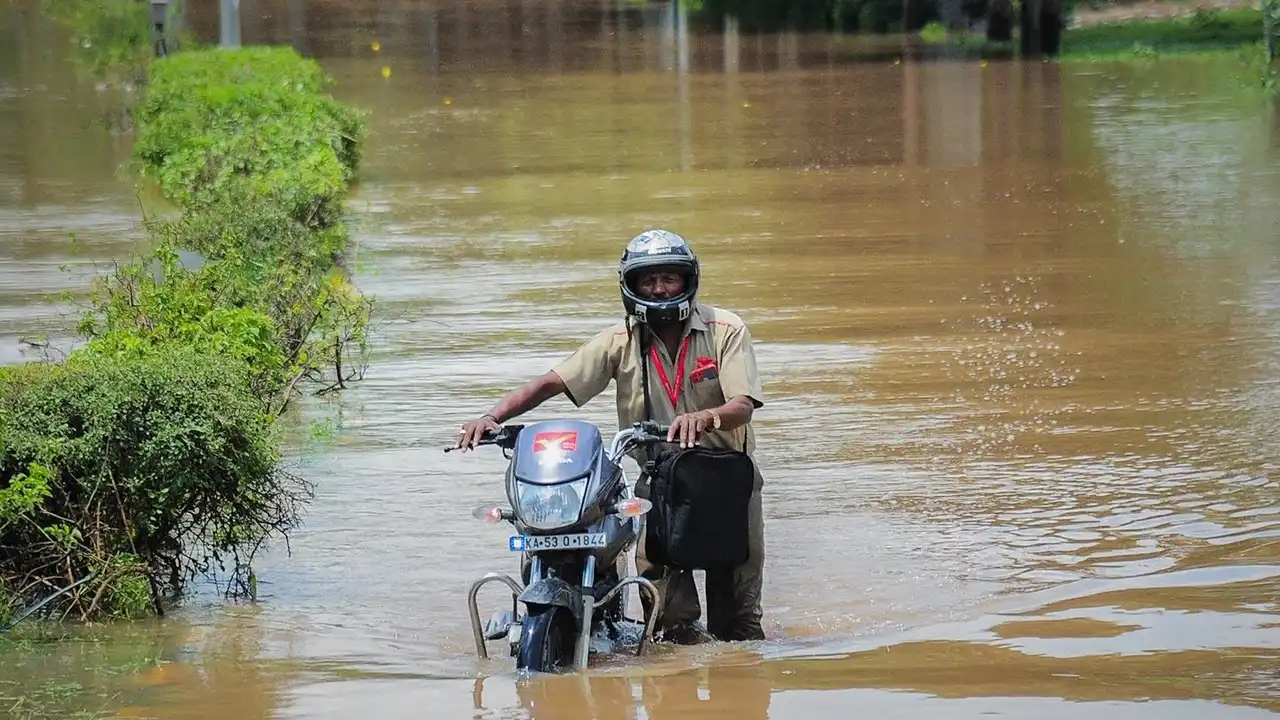
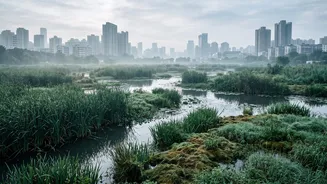
The benefits of healthy urban lakes extend far beyond temperature regulation. They are vital for urban hydrology, acting as natural sponges that absorb excess rainwater, which helps mitigate flooding during heavy monsoons and recharges crucial groundwater aquifers. This is especially important in cities like Bengaluru, where decades of encroachment on lakes have led to a drastic reduction in the city's ability to handle rainwater and replenish its groundwater. Furthermore, these 'blue spaces' are hotspots for biodiversity, providing habitats for a variety of birds, insects, and aquatic life. They also offer invaluable recreational and cultural spaces for residents, improving mental and physical well-being by providing a connection to nature amidst the urban sprawl.
A Legacy Under Threat
Historically, Indian cities were designed around intricate systems of lakes, ponds, and tanks that were central to water management and community life. However, relentless urban expansion has led to the widespread degradation and disappearance of these water bodies. A 2023 census of water bodies in India revealed that only 2.9 percent are located in urban areas, a stark figure given the projected doubling of India's urban population by 2050. Lakes in cities like Chennai and Kolkata have shrunk dramatically due to encroachment for real estate development and have become dumping grounds for solid waste and untreated sewage. This not only destroys their cooling and flood-buffering capacities but turns them into sources of pollution and disease.
The Path to Revival
The good news is that it is possible to bring these urban oases back to life. Across India, citizen groups and local authorities are initiating restoration projects with remarkable success. In Chennai, the restoration of Sembakkam Lake involved desilting, removing solid waste, and creating a nature-based wastewater treatment system, which has improved water storage capacity and revived the local ecosystem, attracting more birds. In Coimbatore, the rejuvenation of Vellalur Lake was driven by community participation, which helped clear blocked water channels and restore the lake's ecological health. These projects demonstrate that a combination of scientific intervention, community involvement, and strong government support can reverse decades of neglect. Protecting and reviving our urban lakes is not a tradeoff against development; it is a critical investment in creating more resilient, sustainable, and livable cities for the future.