







Why Monsoon is a Mixed Blessing for Plants
While rainwater is pure and nourishing, the monsoon season creates a challenging environment for many plants. The constant dampness, high humidity, and reduced sunlight create a perfect breeding ground for fungal diseases like powdery mildew, leaf spot,
and root rot. When plants are placed too close together, this problem is magnified. The lack of airflow traps moisture on and around the leaves for extended periods, preventing them from drying out after a downpour. This stagnant, humid micro-environment is exactly what fungal spores need to multiply and attack your cherished plants, leading to yellowing leaves, wilting, and decay.
The Simple Power of Air Circulation
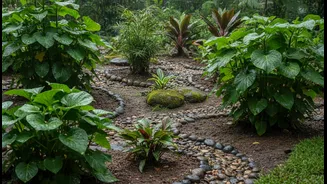
The most effective strategy to combat these monsoon menaces is surprisingly simple: give your plants more breathing room. A “breezier” arrangement that promotes good air circulation is your garden's best defence. When air can move freely between and around your plants, it helps evaporate excess moisture from the foliage and soil surface much faster. This simple act of drying disrupts the life cycle of fungi and makes the environment less inviting for common pests like slugs and snails that thrive in damp conditions. Improved airflow also ensures that plants receive a steady supply of carbon dioxide, which is essential for photosynthesis and overall healthy growth.
Create a Breezier Setup: Actionable Steps
Implementing a breezier arrangement is straightforward. Start by spacing out your pots. Avoid the temptation to huddle them together; a few inches of separation can make a world of difference for air movement. If you have a collection of plants, consider using tiered stands, shelves, or wall-mounted planters. Elevating plants not only creates a visually appealing display but also significantly improves airflow around their base and lower leaves. Even placing pots on a few bricks to lift them off the ground can prevent waterlogging and increase ventilation. Don't be afraid to rearrange your garden layout for the season—it's a low-effort, high-impact change.
Prune for Airflow and Health
Your arrangement isn't just about the space between pots; it's also about the space within each plant. Pruning is a vital task during the monsoon. Trim any dense, overgrown foliage, especially from the centre of the plant. This opens up the canopy, allowing air to circulate through the leaves and stems. Pay attention to and remove any branches that are crossing or growing inward. Regularly snip off any yellowing, dead, or diseased leaves as soon as you spot them. This not only improves air circulation but also removes potential sources of infection before they can spread to the rest of the plant or its neighbours.
Supporting Practices for a Healthy Monsoon Garden
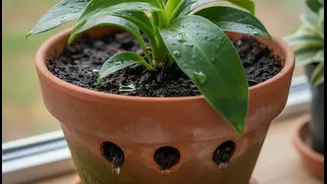
A breezier arrangement works best when combined with other smart gardening habits. First, check your pot's drainage. Ensure the holes at the bottom are clear and not blocked by compacted soil, allowing excess water to escape freely. Next, adjust your watering schedule. With regular rainfall, your plants will need far less manual watering. Always check the top inch of soil; if it feels moist, hold off on watering. Finally, consider a light feeding with organic compost or vermicompost. Rain can leach nutrients from the soil, and a gentle top-up will help keep your plants nourished and strong enough to resist diseases.