






Boost Your Immunity from the Inside Out
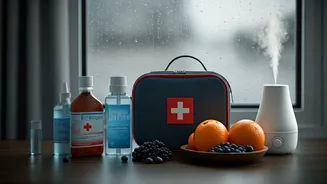
The monsoon is notorious for bringing a spike in viral fevers, colds, and stomach infections. Your first line of defence is a strong immune system. Incorporate immunity-boosting foods into your diet. This means plenty of Vitamin C-rich fruits like oranges
and amla, as well as leafy green vegetables. Traditional wisdom holds strong here: add ingredients like ginger, garlic, and turmeric to your meals. These kitchen staples have powerful anti-inflammatory and antibacterial properties. Consider swapping your regular chai for a herbal concoction with tulsi and honey. Importantly, be wary of street food, especially anything uncooked like chaat or salads, as the risk of water-borne diseases like cholera and typhoid is significantly higher during this season.
Prioritise Hand and Foot Hygiene
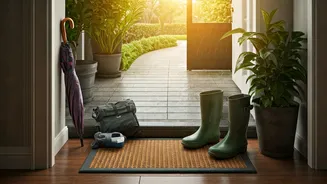
You may be diligent about washing your hands, but foot care becomes equally critical during the rains. Walking through puddles and damp streets is often unavoidable, creating a perfect breeding ground for fungal and bacterial infections. Make it a habit to wash your feet with soap and warm water as soon as you get home. Dry them thoroughly, paying special attention to the area between your toes. If possible, avoid wearing closed shoes like sneakers that trap moisture. Instead, opt for open-toed, waterproof footwear like floaters or rubber sandals that allow your feet to dry quickly. A simple antiseptic foot soak once a week can also work wonders in keeping infections at bay.
Keep Your Living Space Dry and Ventilated
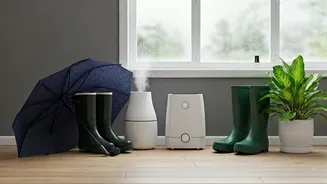
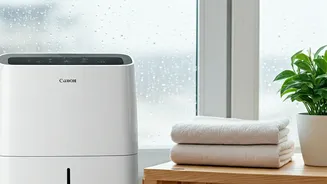
High humidity is the monsoon’s unwelcome house guest, leading to damp walls, musty smells, and the growth of mould and mildew, which can trigger allergies and respiratory issues. Combat this by ensuring your home is well-ventilated. Open windows for a few hours on dry, sunny days to let fresh air circulate. Use dehumidifiers in closets or small rooms that are prone to dampness. Natural alternatives like camphor balls or neem leaves can also help absorb excess moisture and repel insects. Check for and fix any leaks in your roof or windows before the rains intensify to prevent long-term damage and persistent dampness.
Declare War on Mosquitoes
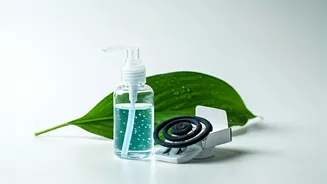
The monsoon is peak breeding season for mosquitoes, which carry vector-borne diseases like dengue, malaria, and chikungunya. The most effective habit you can adopt is eliminating stagnant water around your home. Mosquitoes need only a small amount of standing water to lay their eggs. Regularly check and empty water from flowerpot saucers, discarded tyres, air cooler trays, and any other containers. Ensure your water storage tanks are properly covered. For personal protection, use mosquito repellents, especially during the evening. Sleeping under a mosquito net provides an additional, chemical-free layer of safety for your family.
Choose Your Fabrics Wisely
Getting caught in a downpour is a monsoon rite of passage, but staying in damp clothes for too long can lead to skin problems and lower your body temperature, making you susceptible to catching a cold. Ditch heavy fabrics like denim and thick cotton that take ages to dry. Instead, build a monsoon-friendly wardrobe with lightweight, synthetic fabrics like nylon, polyester, and rayon. These materials don't absorb much water and dry incredibly quickly. This simple switch ensures you remain comfortable even if you get drenched and also simplifies your laundry routine, as clothes will dry faster indoors.
Drink Only Safe, Boiled Water
This is perhaps the single most important habit for preventing illness during the rainy season. The risk of water contamination is extremely high, leading to a surge in water-borne diseases like jaundice, diarrhoea, and typhoid. Relying solely on tap water, even if it looks clean, is a gamble. Make it a non-negotiable rule to drink only boiled or properly filtered water. Boil your drinking water for at least 10-15 minutes to kill harmful bacteria and viruses. If you're using a water purifier, ensure its filters are cleaned or replaced on schedule. When you're out, carry your own water bottle to avoid drinking from unreliable sources.