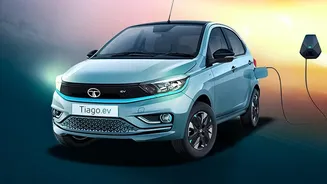


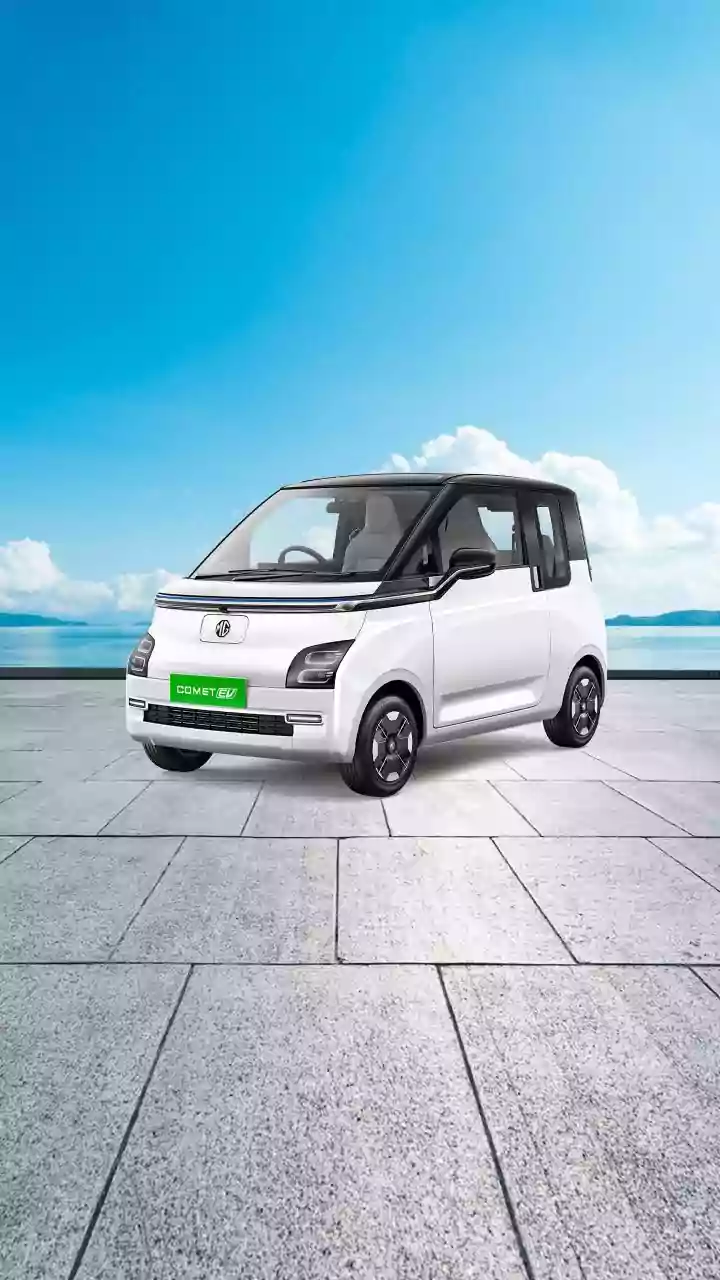
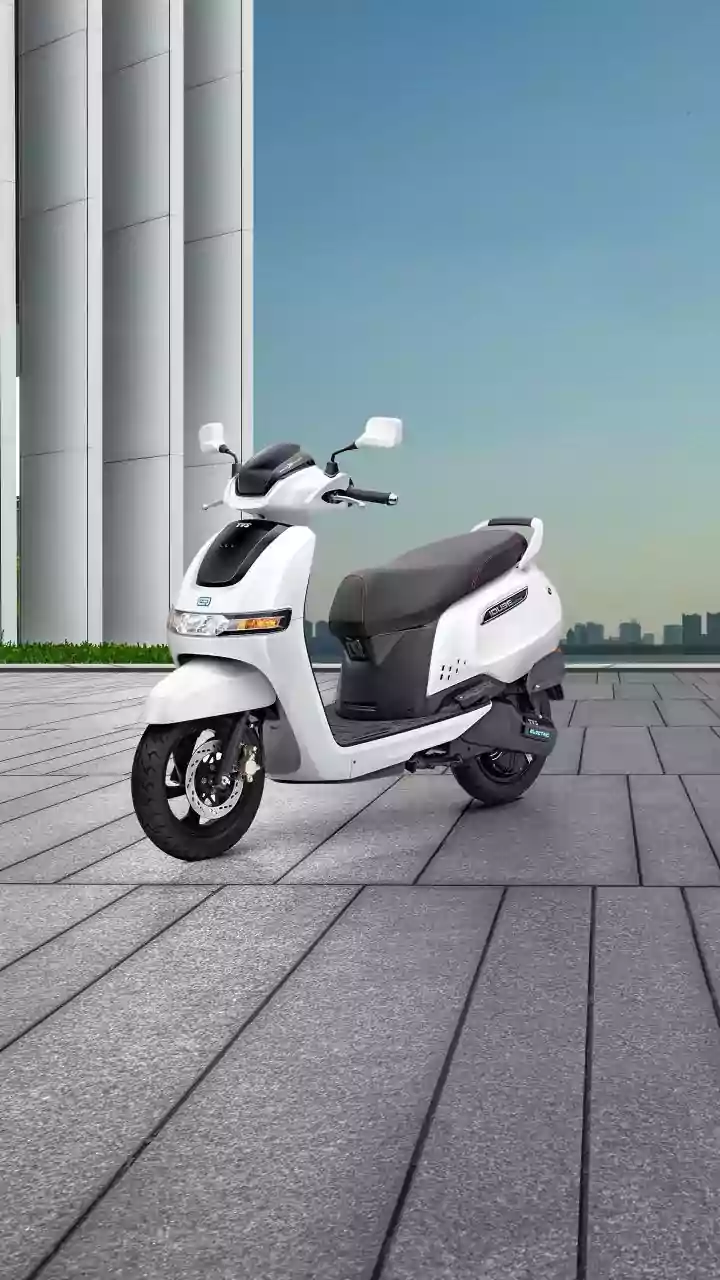
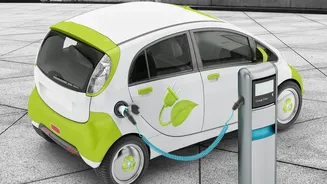
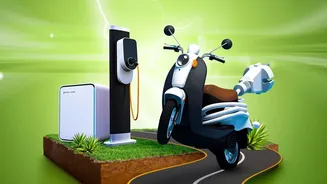
The high price of electric vehicles remains a major roadblock for many Indian buyers. But a breakthrough in battery technology using one of the world's most abundant materials—sodium—could soon change everything. Here’s why it matters.
The Sodium Advantage
For years, the electric
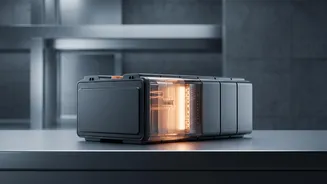
vehicle revolution has been powered by lithium-ion batteries. While effective, they have a significant downside: reliance on lithium and cobalt, minerals with volatile prices and geographically concentrated supply chains. India, in particular, is heavily dependent on imports for these critical components. Sodium-ion batteries offer a compelling alternative. Instead of lithium, they use sodium, an element that is over 1,000 times more abundant and can be sourced from common salt. This universal availability fundamentally changes the economic and geopolitical equation, offering a path to greater energy self-reliance and stable pricing, free from the supply chain risks that plague lithium.
Cheaper, Safer, and More Resilient
The primary appeal for consumers is cost. The battery pack accounts for a huge chunk of an EV's total price, often between 40-50%. Because sodium is vastly cheaper and more abundant than lithium, sodium-ion batteries have the potential to be 20-30% more economical once produced at scale. In fact, some analysts predict they will reach cost parity with the most common lithium batteries by the end of 2026. Beyond price, sodium-ion technology boasts a superior safety profile, with a lower risk of fire. These batteries also perform exceptionally well in a wider range of temperatures, a crucial factor for the diverse Indian climate. Recent breakthroughs have demonstrated reliable performance from a frigid -30°C to a blistering +60°C.
A 'Make in India' Game-Changer
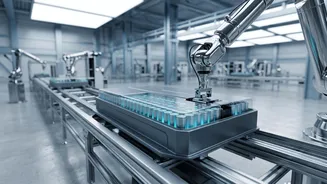
The rise of sodium-ion technology aligns perfectly with India's 'Make in India' ambitions. Several Indian companies are already making significant strides. For example, Reliance Industries acquired UK-based sodium-ion pioneer Faradion and plans to build a giga-scale manufacturing plant in India. Meanwhile, indigenous startups like Indi Energy are developing innovative solutions, such as creating high-performance battery components from agricultural waste. A key advantage is that sodium-ion batteries can be manufactured on existing lithium-ion production lines with only minor modifications. This dramatically lowers the barrier to entry for Indian manufacturers, allowing them to pivot quickly and leverage existing infrastructure to build a domestic supply chain. This could create significant domestic value, as India's strong chemical and pharmaceutical industries are well-positioned to produce key battery materials.
What Are the Downsides?
Despite the excitement, sodium-ion batteries are not a perfect replacement for all applications just yet. Their main limitation has been lower energy density, meaning they store less energy for their weight compared to their lithium-ion counterparts. For a long-range luxury EV, this might be a dealbreaker. However, performance is rapidly improving, with some commercial packs now achieving energy densities suitable for many vehicles. For India’s massive two- and three-wheeler market, as well as for budget-friendly passenger cars used for city commuting, the current energy density is more than adequate. The technology is still in the early stages of mass commercialisation, but the pace of development is rapid, with major players targeting large-scale deployment.