

The Building Blocks of Health
Protein is essential for almost everything our bodies do, from building and repairing tissues like muscle to making enzymes and hormones. Think of proteins as complex structures made from smaller units called amino acids. There are 20 different amino acids,
but nine of them are considered 'essential' because our bodies can't produce them. We must get these nine essential amino acids from the food we eat. When a food contains all nine in sufficient amounts, it's called a 'complete protein'. Animal products like meat, eggs, and dairy are typically complete proteins, which is straightforward for non-vegetarians. For those on a plant-based diet, it requires a little more thought, but it's surprisingly easy to achieve.
The Plant Protein Puzzle
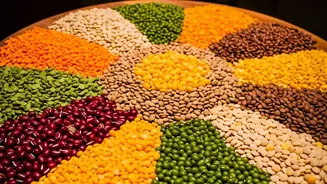
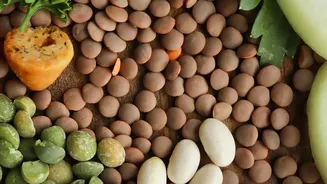
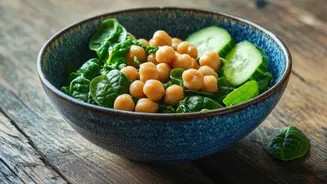
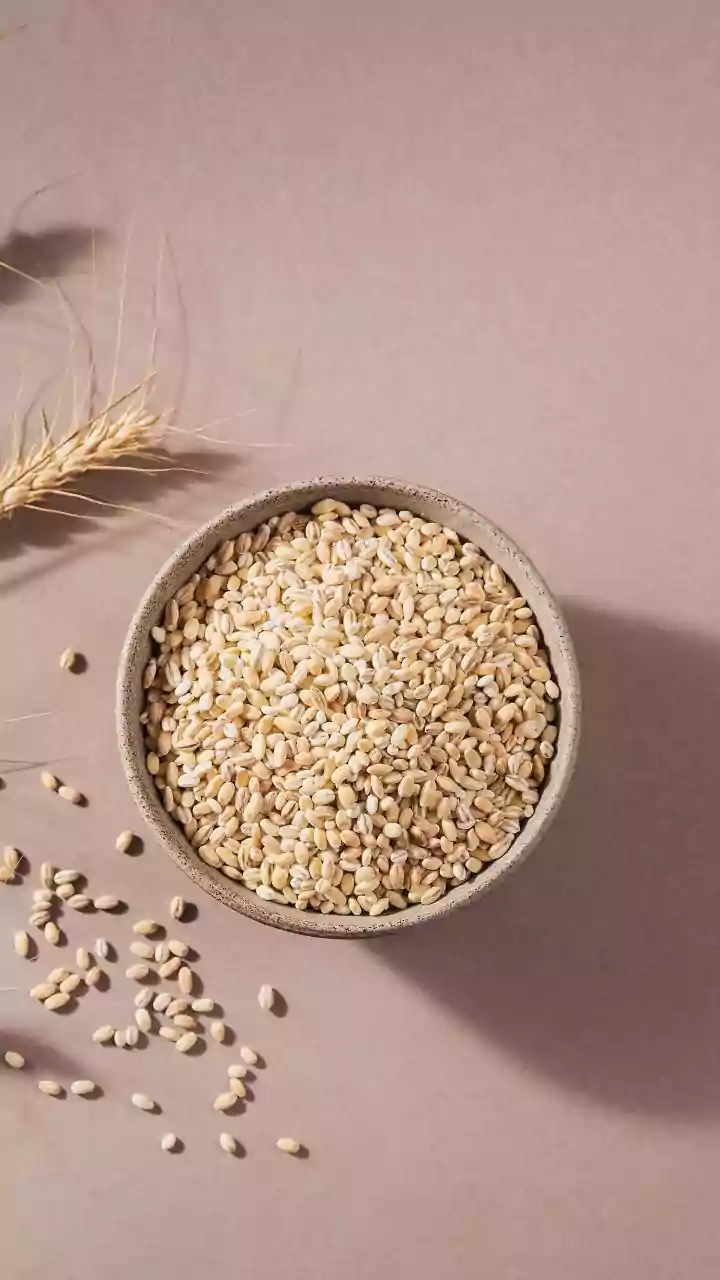
Most plant-based foods are nutritional powerhouses, but they are often 'incomplete' proteins, meaning they are low in one or more of the essential amino acids. For example, whole grains like rice and wheat are generally low in an amino acid called lysine. On the other hand, legumes—the family that includes all our beloved dals, beans, and chickpeas—are typically low in another amino acid, methionine, but rich in lysine. This doesn't mean plant proteins are inferior; it just means we need to be clever about how we eat them. By understanding which amino acids are limited in which foods, we can pair them together to create a full and balanced amino acid profile.
A Perfect Partnership: Grains and Legumes
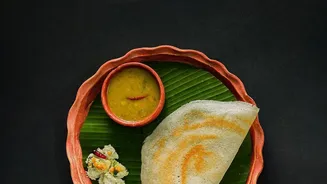
This is where the magic of combining whole grains and legumes comes in. When you eat them together, they form a 'complementary protein', filling in each other's nutritional gaps. The lysine that's lacking in the grain is supplied by the legume, and the methionine that's low in the legume is provided by the grain. Together, they deliver all nine essential amino acids, mimicking the profile of a complete protein. This synergy is not a new discovery; it's the foundation of traditional cuisines around the world, especially in India. Our everyday meal of dal and rice is a perfect example of this powerful nutritional strategy in action.
Fueling Your Recovery
The term 'recovery' can mean many things: repairing muscles after a workout, healing from an illness, or simply maintaining your body's daily repair cycles. In all these scenarios, having a full slate of essential amino acids is non-negotiable. They are the raw materials your body needs for muscle protein synthesis—the process of repairing the tiny tears in muscle fibres that occur during exercise, leading to growth and strength. For vegetarians, ensuring this complete profile is available is crucial for effective recovery. A meal of rajma-chawal or a whole wheat roti with chana masala doesn't just feel satisfying; it provides the specific building blocks your body needs to rebuild and get stronger.
Your Plate, Your Powerhouse
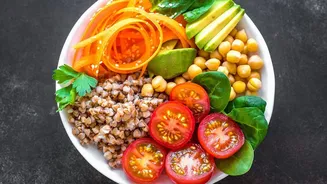
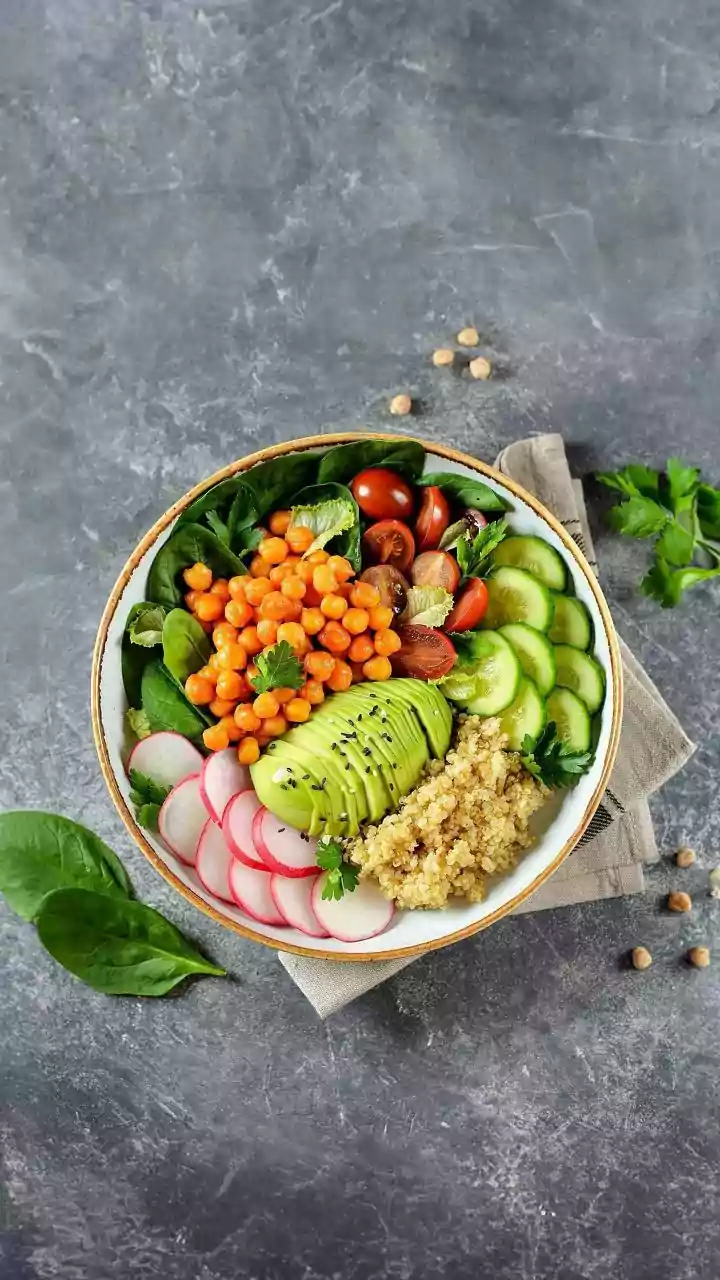
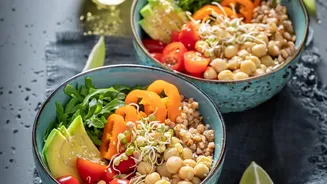
The good news is that this practice is already deeply embedded in Indian food culture. You are likely already eating complementary proteins without even realising it. Here are some classic combinations: Dal and Rice: The most iconic pairing, whether it's toor dal with sona masuri rice or masoor dal with brown rice, this combination is nutritionally flawless. Roti and Dal/Sabzi: A whole wheat roti (grain) paired with any dal (legume) or even a chickpea-based sabzi is another daily example. Hummus and Pita: This Middle Eastern staple combines chickpeas (legume) with wheat-based pita bread (grain). Beans and Corn: A popular combination in Mexican cuisine, this also serves the same purpose. It's important to note that you don't necessarily have to eat these foods in the exact same meal. As long as you consume a variety of grains, legumes, nuts, and seeds throughout the day, your body can pool the amino acids to get what it needs.
More Than Just Protein
Beyond creating complete proteins, combining whole grains and legumes offers a wealth of other health benefits. This pairing is rich in dietary fibre, which aids in digestion, helps maintain stable blood sugar levels, and keeps you feeling full for longer, assisting in weight management. This combination is also a fantastic source of B vitamins, iron, magnesium, and other essential minerals that contribute to everything from energy production to heart health. So, a simple bowl of dal-rice is not just comfort food; it's a comprehensive nutritional package that supports overall well-being.