



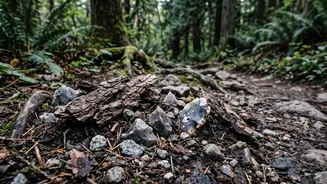
More Than Just a Feeling
Walking barefoot allows you to feel the texture and contour of the trail in a way that boots make impossible. This heightened sensory feedback can improve your balance, agility, and overall connection to nature. However, the nerves that provide this rich
information are also vulnerable. Your feet, unlike your hands, aren't always in your line of sight, and the soles can be susceptible to dangers they can't feel until it's too late. The most pervasive and invisible of these dangers is temperature. Both extreme heat and cold can cause significant injury, turning a mindful trek into a medical emergency. Understanding how surfaces react to weather is the first step in enjoying a safe barefoot journey.
The Science of a Sizzle
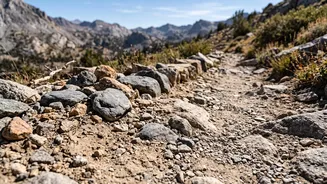
The danger of hot surfaces isn't just about the air temperature. It's about heat transfer, specifically conduction. Different materials absorb and radiate heat at vastly different rates. Dark asphalt, for instance, can reach temperatures well over 60°C when the air is only 35°C, hot enough to cause second-degree burns in seconds. Sand and rock also absorb and retain significant heat. A podiatrist warns that children are especially at risk due to thinner skin and slower reflexes. Conversely, wet sand or soil will have a different thermal conductivity than when dry. This 'evolutionary mismatch', as one expert calls it, between our feet designed for natural earth and modern hardscapes, is a primary source of risk. People with compromised nerve sensation, such as those with diabetic neuropathy, should never walk barefoot, as they may not feel a burn developing.
When Cold Ground Bites Back
While hot surfaces get more attention, cold ground poses an equally serious threat. The risk of frostbite becomes a reality when temperatures drop near or below freezing (0°C). Frostbite occurs when your skin and the underlying tissues freeze, which can lead to permanent damage, nerve issues, and in severe cases, amputation. Even before frostbite sets in, you can experience 'frostnip', a precursor where the skin becomes pale, numb, and tingly. This is a critical warning sign to get your feet warm immediately. Factors like moisture and wind chill can dramatically accelerate heat loss from your feet. While some experienced barefooters build tolerance to cold, it’s a risky endeavor that requires gradual conditioning and constant awareness. For most, prolonged exposure to freezing ground without protection is not safe.
Reading the Trail and Planning Your Hike
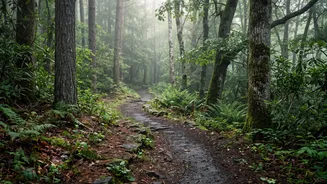
Successful barefoot hiking is about strategy, not just toughness. Before you even start, consider the time of day. Midday sun will superheat rocks and open paths, so plan to hike in the early morning or late afternoon. Look for trails with varied surfaces. A path that alternates between shaded forest floor, sunny clearings, and rocky scrambles allows your feet to cool down. Always test a surface with your hand before committing your full weight. Pay attention to shady spots and grassy verges as 'cooling stations' on a hot day. In colder weather, keep moving to maintain circulation and limit time spent standing still on frozen ground. If you're new to the practice, start with short durations on safe, familiar surfaces like a grassy park or a soft dirt trail before tackling more challenging terrain.
Building Resilience the Right Way
Your feet are incredibly adaptable, but they need time to adjust. Going from cushioned shoes to fully barefoot on a rough trail is a recipe for injury. Start by walking barefoot at home and in your garden to begin toughening the skin on your soles. This process strengthens the small, intrinsic muscles within the feet that have been underused inside shoes. As your feet get stronger and the skin becomes more resilient, you can gradually increase the duration and difficulty of your barefoot walks. Some proponents suggest using minimalist footwear as a transitional step, offering protection while still allowing for a more natural foot movement and sensory feedback. Listen to your body; pain is a signal to stop and rest, not to push through.