




What Exactly Is a 'Dark Store'?
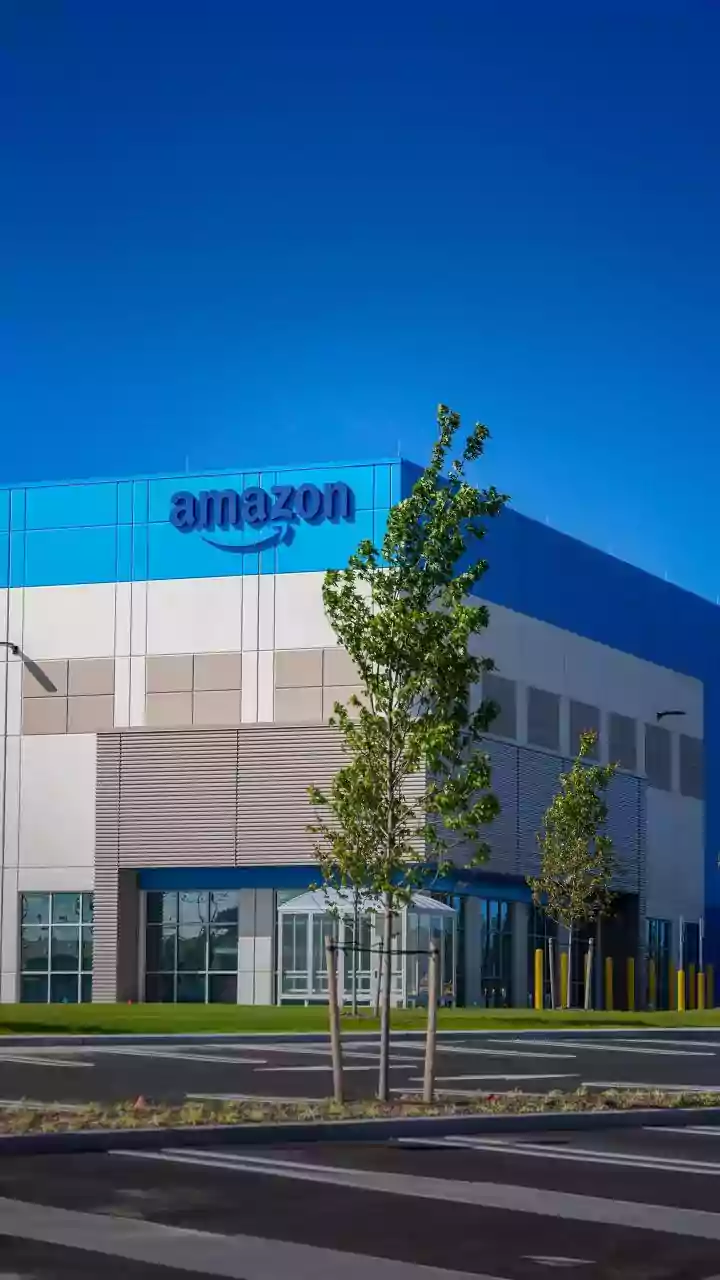
Imagine a supermarket, but with no customers, no cash counters, and no fancy displays. That's a 'dark store'. These are small, hyperlocal warehouses dedicated solely to fulfilling online orders. Their layouts are optimized for one thing: speed. Pickers
and packers navigate aisles designed for efficiency, grabbing items for orders that come in through apps like Blinkit, Zepto, and Swiggy Instamart. Unlike massive warehouses located on a city's outskirts, dark stores are strategically placed within dense residential neighborhoods, enabling the ultra-fast delivery times that quick commerce promises. They are the unseen backbone of the instant delivery economy.
The Great Expansion into Tier 2 India
After saturating major metro areas like Mumbai and Bengaluru, the battle for quick commerce is moving to India's next urban frontier: Tier 2 cities. Places like Lucknow, Jaipur, Pune, Chandigarh, and Coimbatore are now the epicenters of this expansion. There are several reasons for this 'gold rush'. These cities have a growing base of digitally savvy consumers with rising disposable incomes who are eager for convenience. Furthermore, the operational costs are significantly lower. Cheaper rent, lower wages, and less competition mean a dark store in a Tier 2 city can break even with fewer orders per day compared to one in a metro. This makes the business model more sustainable and has prompted major players to aggressively build out their networks.
A New Wave of Local Employment
This rapid expansion is creating a massive and unprecedented wave of local hiring. The quick commerce sector is one of the most employment-intensive segments of retail, generating more jobs per crore of revenue than even traditional e-commerce. For every dark store that opens, a new ecosystem of jobs is created. This isn't just about delivery partners on bikes; it's about a whole team working inside these fulfillment hubs. Companies are hiring thousands of warehouse associates, pickers, packers, sorters, inventory managers, and shift supervisors. This boom offers a significant source of formal employment in cities where such opportunities were previously scarce.
More Than Just an Entry-Level Job
The roles being created are transforming the blue-collar job market. Many of these positions do not require a college degree, providing a crucial entry point into the formal economy for young job seekers and freshers. Starting salaries for roles like pickers and packers are competitive for the local market, and companies often provide benefits like provident fund (PF) and health insurance. Moreover, the modern logistics sector is increasingly tech-driven. Employees work with warehouse management systems, handheld scanners, and data analytics tools, acquiring valuable digital skills. For ambitious workers, a clear career path is emerging, with opportunities to advance from an associate on the floor to a supervisor or even a facility head.
Reshaping Local Economies
The impact of this trend goes beyond job creation. The proliferation of dark stores is reshaping the commercial real estate landscape in Tier 2 cities, creating demand for small to medium-sized properties in well-located urban areas. It's also changing consumer behavior, making instant convenience a mainstream expectation. While this brings challenges for traditional kirana stores, many are also adapting by leveraging technology to compete. Ultimately, the spread of dark store networks represents a formalization of a large part of the gig economy and a deeper integration of smaller cities into India's booming digital marketplace.