
The Legend of Mathura Peda
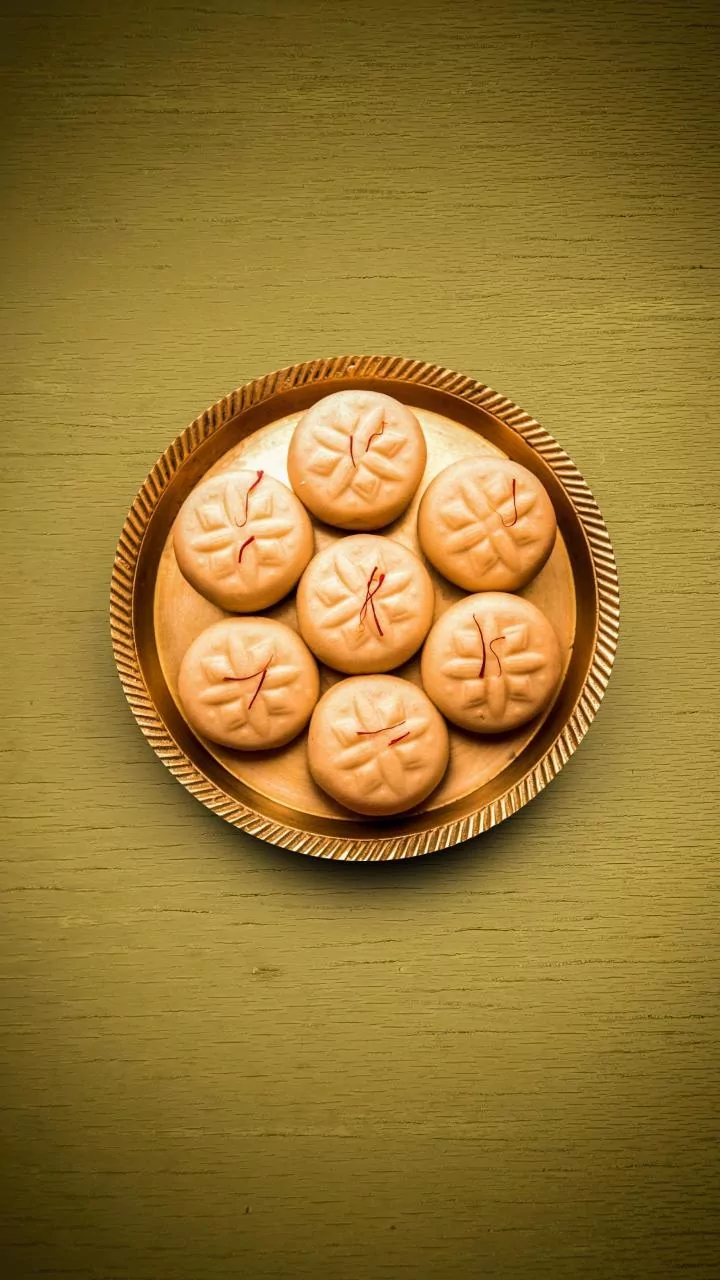
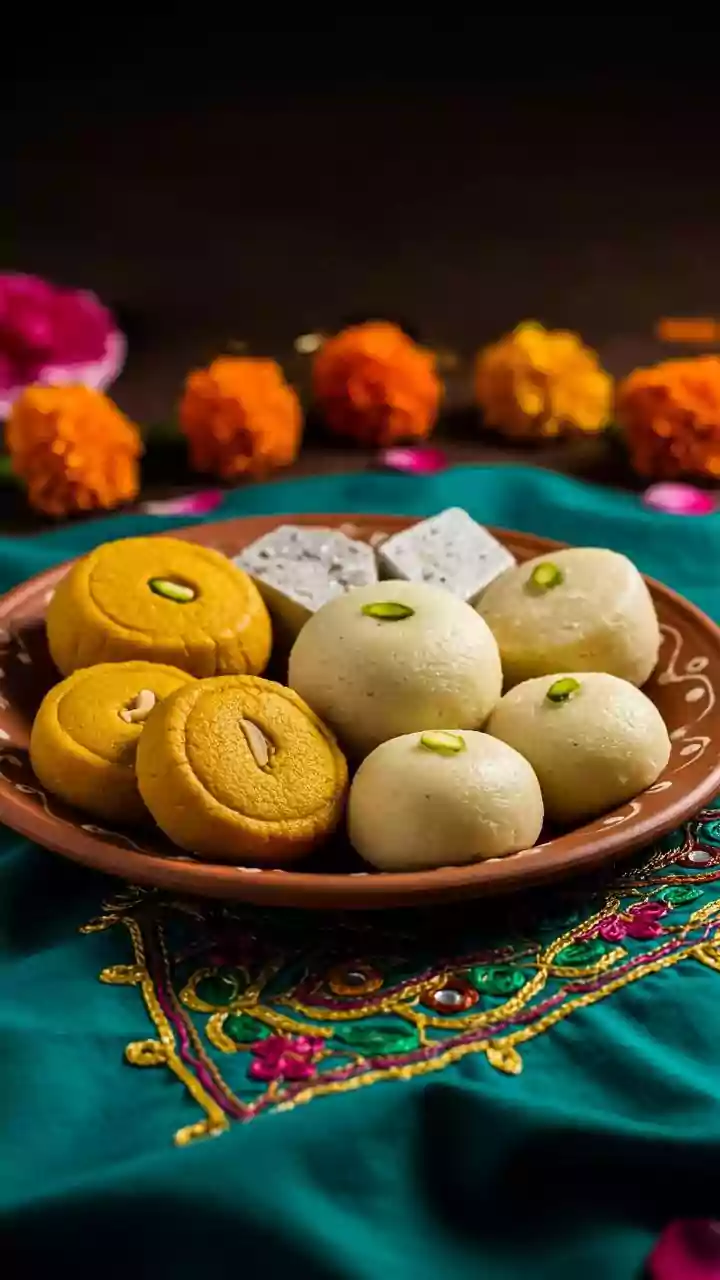
The story of Indian milk sweets often begins in Mathura, the sacred city in Uttar Pradesh believed to be Lord Krishna's birthplace. The city's identity is inseparable from its signature sweet, a popular 'prasadam' (religious offering) for pilgrims. Authentic
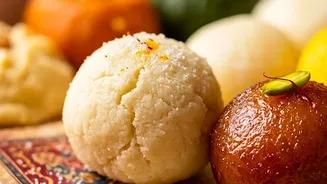
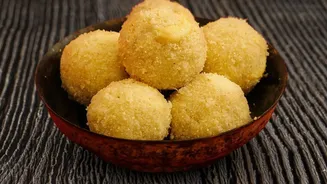
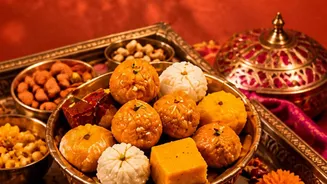
Mathura peda is made from khoya—milk that has been patiently simmered in a large pan until most of the water evaporates, leaving dense milk solids. What sets the Mathura style apart is the next step: roasting this khoya until the milk sugars caramelise, giving the peda its signature light brown colour, a slightly grainy texture, and a rich, nutty flavour that's more complex than simple sweetness. This process not only creates a unique taste but also gives it a longer shelf life, making it the perfect edible souvenir for visitors to take home.
The Southern Rival: Dharwad Pedha
Travel south to Karnataka, and you'll find a worthy contender that shares a name but offers a completely different experience: the Dharwad pedha. This sweet has its own origin story, traced back to Ram Ratan Singh Thakur, who migrated from Unnao in Uttar Pradesh in the 19th century and introduced his style of peda to the city of Dharwad. Made from the rich milk of local Dharwadi buffaloes, this pedha is cooked for an even longer time. The process results in a much darker, almost coffee-coloured sweet with a pronounced caramelised taste and a denser, slightly chewy texture. While Mathura peda is soft and crumbly, Dharwad pedha has a grainier bite and is often rolled in powdered sugar, adding another layer of texture. It’s so unique that it has been granted a Geographical Indication (GI) tag, protecting its heritage.
The Eastern Innovation: Bengal's Chhena Sweets
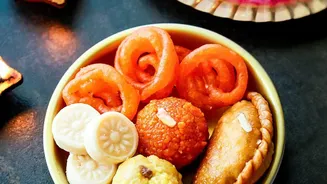
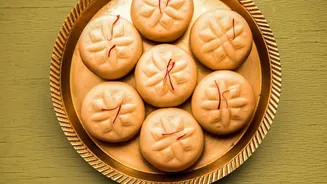
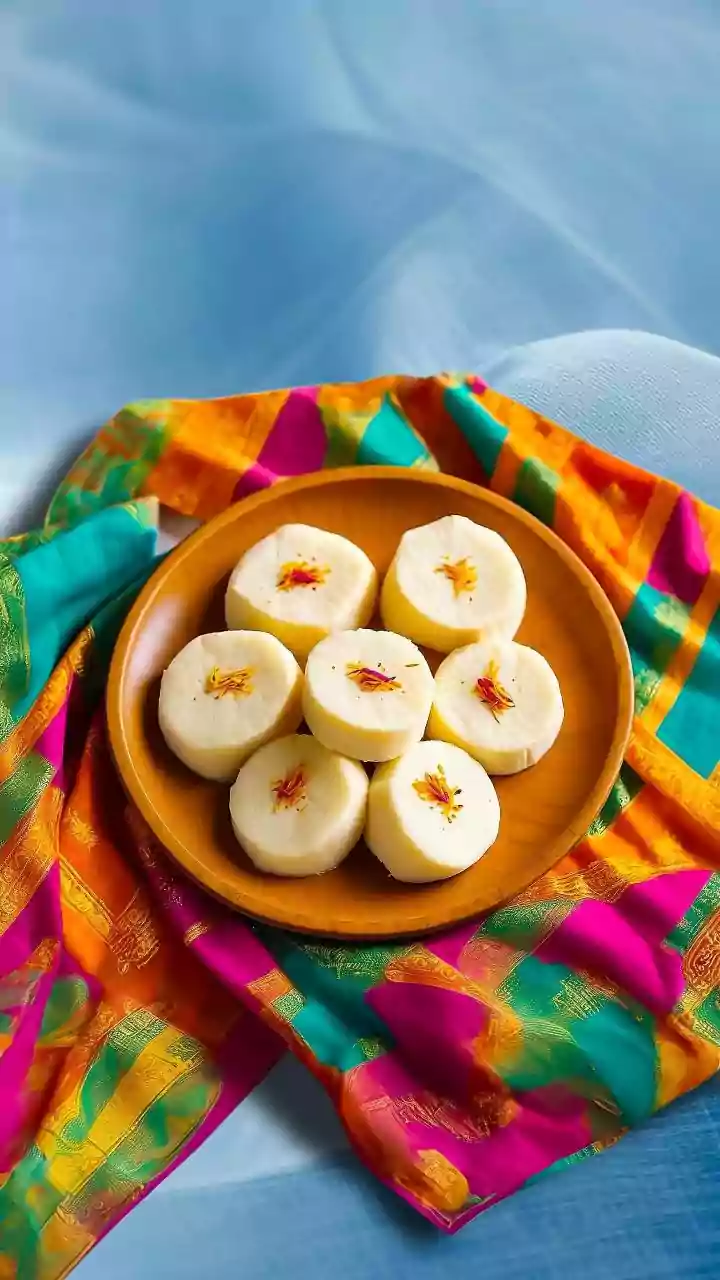
Moving east to Bengal completely changes the game. Here, the foundation of milk sweets isn't khoya, but chhena. The two may start with the same ingredient—milk—but the process is opposite. Instead of evaporating the water, milk is curdled using an acidic agent like lemon juice. The resulting soft curds are strained to create chhena, which is then kneaded until smooth. This base creates an entirely different family of sweets. The most famous is the Sandesh, a delicate, moist, and spongy confection that melts in your mouth. Unlike the dense, fudgy peda, Sandesh is lighter and has a fresh, milky taste. It showcases a different kind of mastery over milk, focusing on a soft, yielding texture rather than the concentrated richness of cooked-down khoya.
The Grainy Delight: Alwar's Milk Cake
Then there are sweets that exist somewhere in between, like the famous milk cake, or Kalakand, particularly associated with Alwar in Rajasthan. Legend says it was created by a chef named Baba Thakur Dass in 1947 after he migrated from Pakistan. This sweet also starts with reducing milk, but a coagulant is added partway through, resulting in a distinctly grainy texture that’s moist and crumbly. The mixture is then cooked with sugar and ghee, poured into a mould, and allowed to cool slowly. This slow cooling is crucial, as it allows the sweet to continue cooking from its own residual heat, creating its iconic two-toned appearance: a darker, caramelised brown in the centre and a lighter shade on the outside. It's neither as dense as a peda nor as spongy as a Sandesh, but a unique delight in its own right.