






Why Café Soups Often Disappoint
That steaming cup of soup from your favourite café seems like the perfect quick, healthy lunch. It’s convenient, comforting, and saves you the trouble of cooking. But let's be honest: more often than not, it’s a letdown. The flavour can be one-dimensional,
the texture a bit strange, and a quick glance at the nutritional information often reveals staggering amounts of sodium and preservatives. You're also paying a premium for what is, essentially, vegetables and water. For ₹250-₹400, you get a single serving that was likely made in a large batch hours, if not days, ago. The truth is, you’re paying for convenience, not quality. What if you could get both quality and long-term convenience by investing just a little time in your own kitchen?
The Foundation of Flavour
Great soup isn't about a secret, complicated recipe. It's about a simple, non-negotiable first step: building a flavour base. This is where the magic happens, and it takes less than ten minutes. In Western cooking, this is called a *mirepoix* (onion, carrots, celery). In Indian kitchens, we instinctively understand this with our *tadka* or the initial sautéing of onions, ginger, and garlic. All you need is a heavy-bottomed pot, a splash of oil or ghee, and finely chopped aromatics. Start with one large onion, two cloves of garlic (or a spoonful of ginger-garlic paste), and one carrot. Sauté them over medium heat until the onions are translucent and fragrant. This simple act caramelises the sugars in the vegetables, creating a deep, savoury foundation that no amount of salt in a pre-made soup can replicate. Don't rush this step; this is the soul of your soup.
Choose Your Hero Ingredient
With your flavour base sizzling, it's time to choose the star of the show. This is where you can get creative and use whatever you have on hand. For a hearty, protein-packed soup, nothing beats lentils. A cup of red masoor dal or yellow moong dal will cook down beautifully, creating a thick, creamy texture without any cream. If you have vegetables languishing in your crisper—pumpkin, lauki (bottle gourd), carrots, or potatoes—chop them into chunks and toss them in. Sauté them for a few minutes with the aromatic base to slightly brown their edges. You can even add pre-cooked shredded chicken at this stage. The goal is to build layers of flavour. Your base provides the savoury depth, and this hero ingredient provides the main taste and texture.
The Liquid Gold: Broth Matters
This is the step where most homemade soups go wrong. After building a beautiful flavour base, people drown it in plain water, diluting all their hard work. While you can use water in a pinch, using a good quality stock or broth will elevate your soup from good to incredible. But you don't need to spend hours simmering bones. A simple, quick vegetable stock can be made by simmering vegetable peels and scraps (onion skins, carrot ends, celery leaves) in water for 30 minutes. Strain it, and you have liquid gold. Alternatively, a good quality store-bought vegetable or chicken broth cube or powder works perfectly well. The key is to add a liquid that already has some flavour. Pour enough to cover your ingredients, bring it to a boil, and then reduce the heat.
The Final Touches: Season and Serve
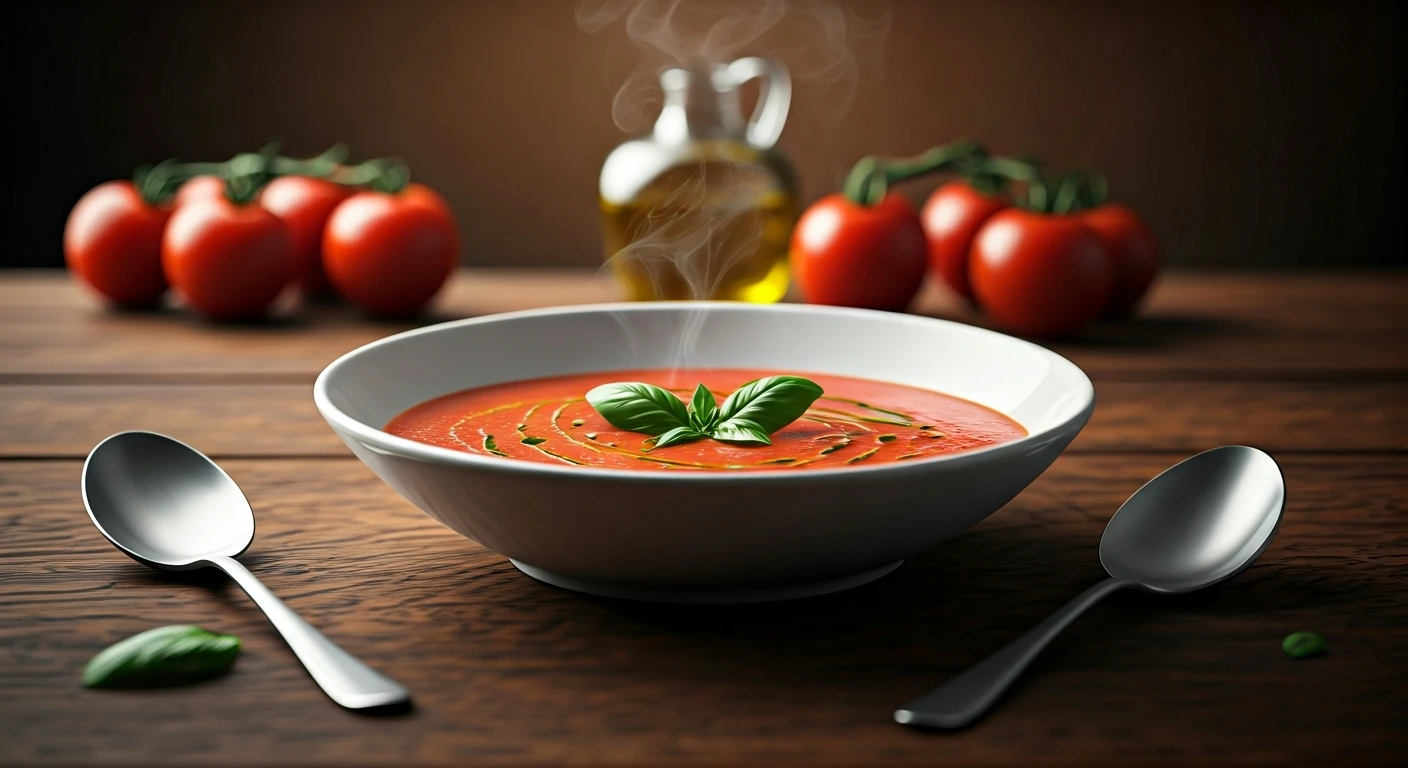
After your soup has simmered for 20-30 minutes and the vegetables or lentils are tender, it's time for the final, crucial step: seasoning. Do not just dump salt in. Taste it first. Add salt gradually, tasting after each addition. Freshly ground black pepper is a must. But the real secret weapon is acid. A squeeze of fresh lemon juice or a dash of vinegar right at the end will brighten all the flavours and make the soup taste vibrant and fresh, not heavy. If you want a creamy soup without the cream, use an immersion blender to blitz everything until smooth. Finally, garnish with something fresh. A handful of chopped coriander, a swirl of plain yogurt, or a sprinkle of toasted seeds adds texture and a final burst of flavour.