



Furniture That Works Overtime
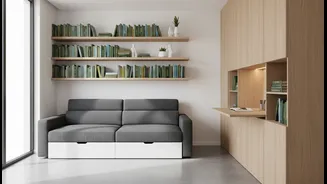
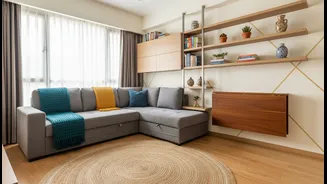
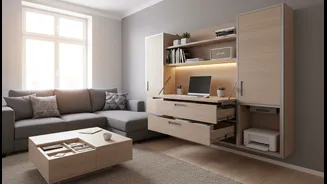
The single most effective strategy for a small flat is investing in multi-functional furniture. Think beyond a simple sofa or bed and consider pieces that serve multiple purposes. A sofa-cum-bed is a classic example, perfect for hosting guests without
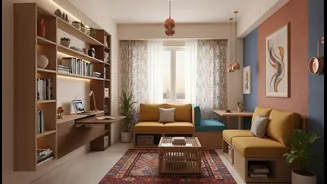
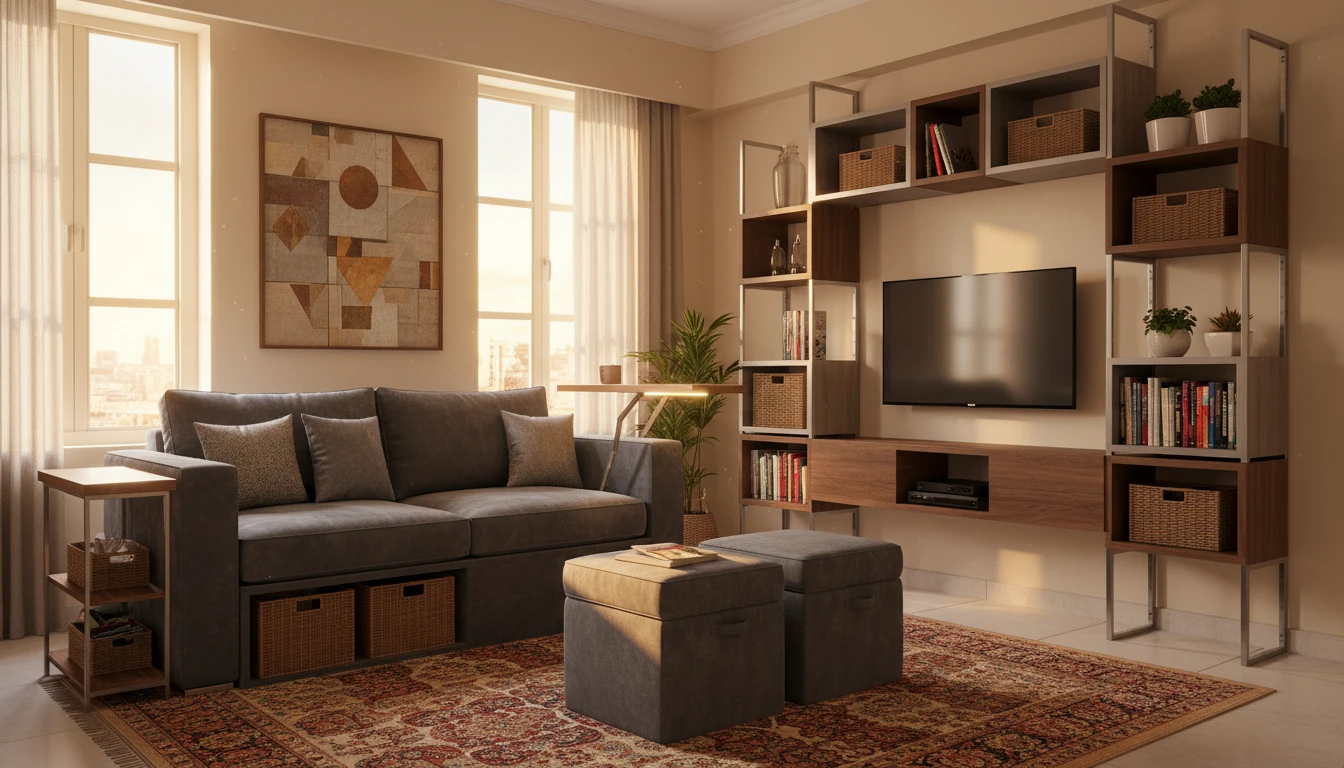
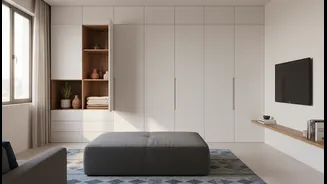
needing a dedicated guest room. Modern versions often include hydraulic or drawer storage underneath, ideal for stashing away heavy quilts and extra pillows. Similarly, a set of nesting tables can act as a coffee table, side tables, or extra surfaces when needed, then tuck away neatly. Ottomans and benches with hidden storage compartments are perfect for living rooms, providing extra seating while discreetly holding everything from magazines to children's toys. For dining, a foldable or extendable table can transform a compact corner into a family dining area, freeing up valuable floor space when not in use.
Embrace the Power of Vertical Space
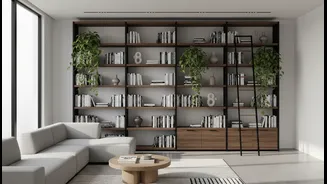
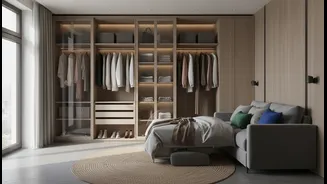
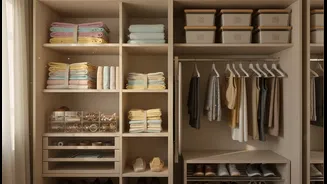
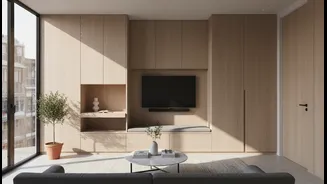
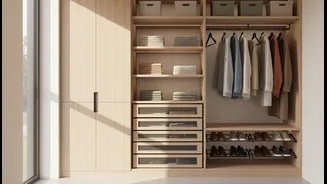
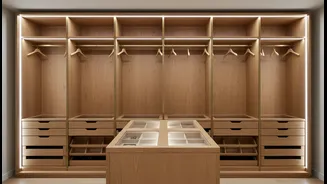
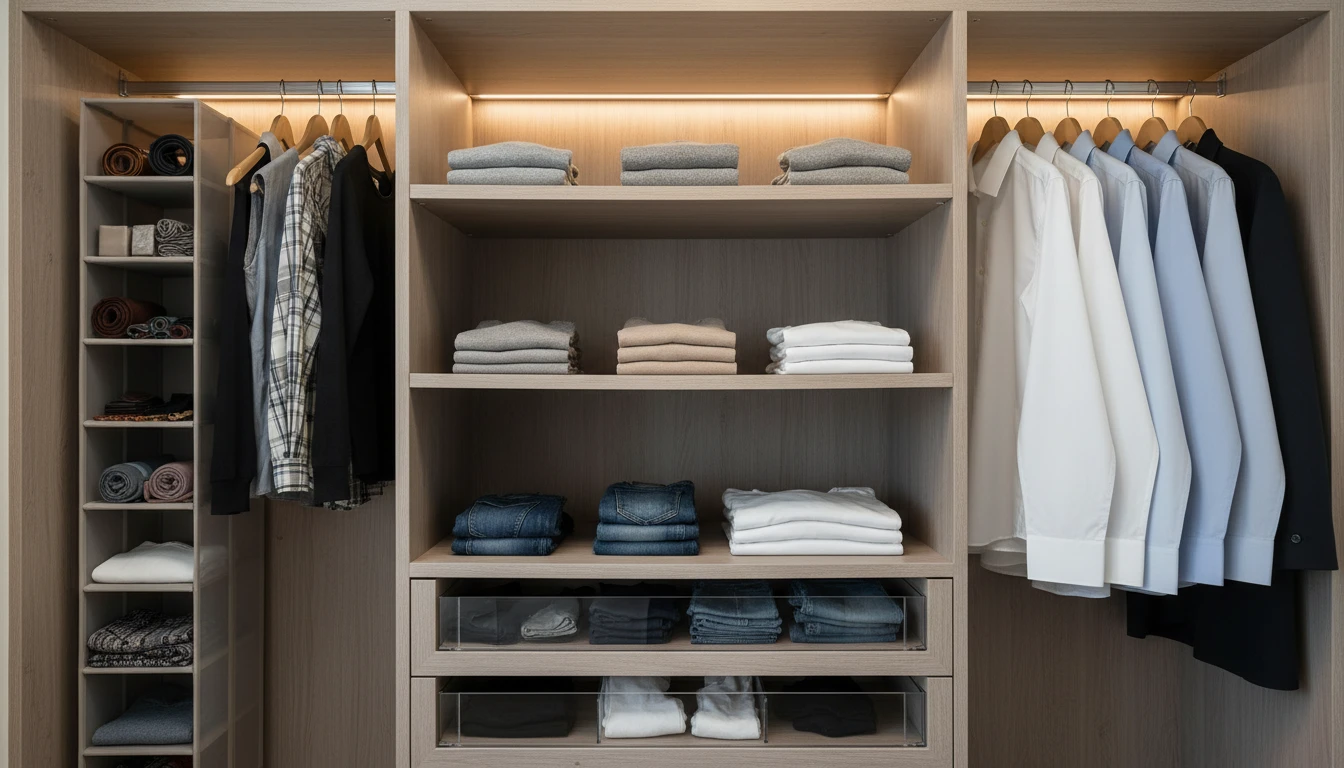
In small apartments, the most underutilised asset is often the vertical space. Instead of cluttering the floor, look up. Installing floor-to-ceiling wardrobes or modular cabinets can double your storage capacity without shrinking the room. Floating shelves are another hero, creating storage for books, plants, or decor in otherwise dead zones like above doorways, windows, or TV units. They provide function without the visual bulk of traditional cabinets. In the kitchen, wall-mounted racks for utensils and spices can free up precious countertop space, making the area feel more organised and efficient. This principle applies even in bathrooms, where recessed wall niches or mirror cabinets can store toiletries without encroaching on the limited floor area.
Rethink and Reclaim Dead Zones
Every home has awkward, seemingly useless spaces. The utility-driven approach is to see these not as problems, but as opportunities. The space under the bed, for instance, is prime real estate. Beds with built-in hydraulic lifts or drawers can replace an entire cupboard, storing seasonal clothing, luggage, and extra bedding. The space under a staircase, often a forgotten void, can be converted into pull-out drawers or custom cabinets for shoes and cleaning supplies. Even the narrow entryway can be made functional with a slim console table for keys and mail, or a shoe rack that doubles as a bench. In the kitchen, slim pull-out pantries can fit into narrow gaps, while toe-kick drawers at the very bottom of cabinets can store flat items like baking trays.
The Decluttering Mindset
Effective storage is not just about buying more containers; it is about having less to store. Adopting a decluttering mindset is fundamental to maintaining a functional small home. Start by regularly editing your belongings. A simple rule is the one-year-rule: if you haven't used an item in the last 12 months, it's time to consider donating or discarding it. This applies to clothes, kitchen gadgets, and decor. Create a designated donation box and add to it regularly. This is not about stark minimalism, but about making intentional choices. In Indian households where items often hold sentimental value, the goal is to preserve memories, not mess. Keep the most special heirloom or gift, and let go of the rest. Waking up to clear surfaces is energising, so a five-minute tidy-up before bed can make a huge difference.
Choosing Smart Materials and Layouts
The visual feel of your home is just as important as its physical organisation. Light-coloured furniture and walls reflect light, making a space feel larger and more open. Furniture with raised legs, whether it's a sofa or a cabinet, creates an illusion of more floor space because you can see underneath it. Transparent materials like glass or acrylic for tabletops and shelves also add function without visual weight. Strategically placed mirrors are a classic trick for a reason; they can double the sense of space and light. Finally, avoid pushing all furniture against the walls. Sometimes, 'floating' a sofa in the middle of a room can create better flow and define zones more effectively.