






Ditching the Stereotype
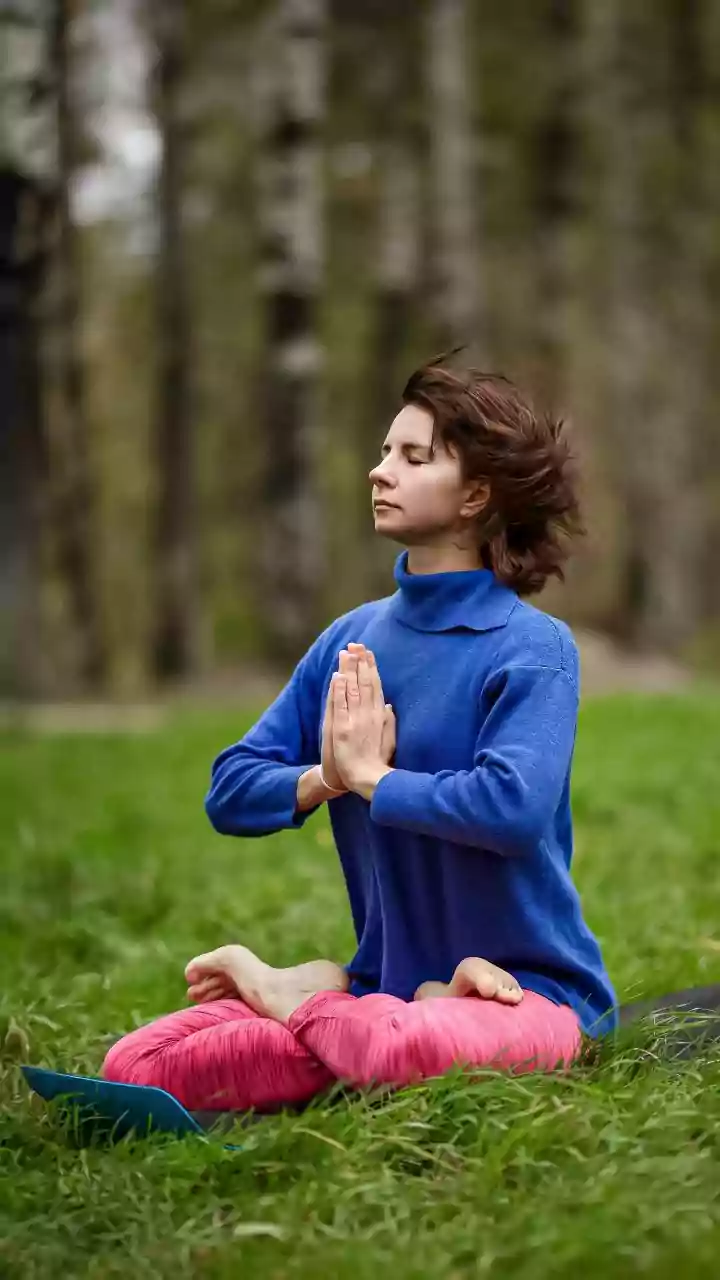
When you picture someone meditating, what comes to mind? Chances are, it’s a serene figure sitting cross-legged, perhaps surrounded by crystals and a haze of incense, chanting a soft “Om.” For many, this image is the biggest barrier to entry. It feels
inaccessible, overly spiritual, and just not for them. But this popular image represents only a narrow slice of what meditation can be. The truth is, meditation is not inherently religious or spiritual. It is a fundamentally secular practice that has been adopted and adapted by various traditions over centuries. Thinking you need a certain “vibe” to meditate is one of the biggest misconceptions holding people back. The practice, at its core, is simply a tool for training your attention and awareness.
A Workout for Your Brain
So, if it’s not about finding spiritual enlightenment, what is meditation? Think of it as exercise for your brain. Just as you go to the gym to strengthen your muscles, you can meditate to strengthen your mind. Secular meditation is about paying attention to the present moment without judgment. This is often called mindfulness. It’s a technique for observing your thoughts and feelings without getting caught up in them. The goal isn't to empty your mind or stop thinking—a common myth that frustrates many beginners. Instead, it’s about noticing when your mind has wandered and gently guiding it back, over and over again. This simple act builds mental discipline and self-awareness.
The Science-Backed Benefits
The reason secular meditation has exploded in popularity is that its benefits are backed by a growing body of scientific research. Studies have consistently shown that regular meditation can significantly reduce stress and symptoms of anxiety. It works by calming your body's stress response pathways. Beyond stress relief, meditation has been proven to lengthen attention spans, improve focus, and support emotional health. Some studies have even linked it to reduced age-related memory loss and better pain management. Researchers have observed changes in brain regions associated with attention, emotion regulation, and self-awareness in people who meditate regularly, proving that this mental exercise has tangible physical effects on the brain.
How to Start, No Frills Attached
Ready to try? You don’t need any special equipment. You just need a few minutes and a quiet place. Start with just five minutes a day; consistency is more important than duration. 1. Find a comfortable seat: Sit on a chair with your feet on the floor, or on a cushion. You don't need to force yourself into a complicated posture. Just keep your back relatively straight and be comfortable. 2. Focus on your breath: Close your eyes and bring your attention to the feeling of your breath. Notice the sensation of air entering your nose, your chest and belly rising and falling. The breath is simply an anchor to the present moment. 3. Gently guide your focus back: Your mind will wander. That's what minds do. When you notice your thoughts drifting to your to-do list or an old conversation, simply and kindly acknowledge the thought and return your focus to your breath. The practice is in this gentle returning, not in achieving a perfectly clear mind.
Overcoming Common Hurdles
Many beginners get discouraged because they think they're “bad” at meditating. The most common complaint is, “I can’t stop thinking!” Remember, the goal isn't to stop thoughts. It's to notice them without judgment and let them pass. Another hurdle is expecting every session to feel relaxing or blissful. Sometimes meditation can be uncomfortable as you sit with difficult thoughts or feelings. That’s part of the process. The key is to be patient and kind to yourself. There is no “bad” meditation session, except the one you didn’t do. Treat it as a skill you are developing over time, just like learning a new instrument or sport. You don’t expect to be a virtuoso on day one, and the same applies here.