



A Paradise Under Pressure
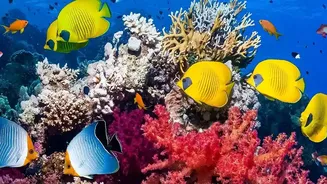
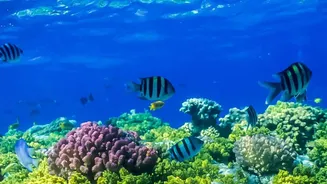
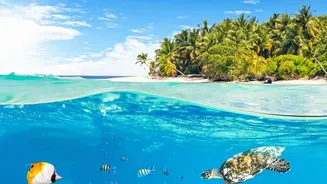
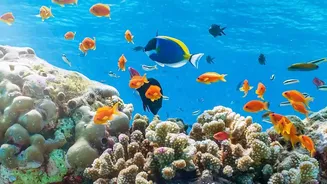
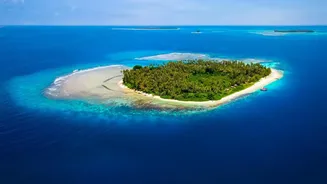
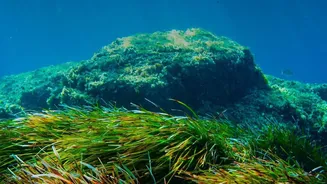
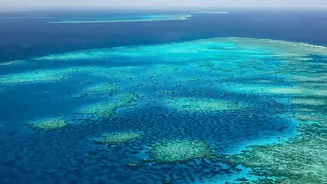
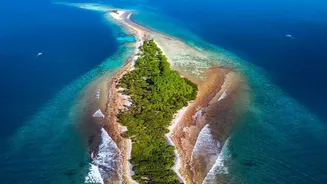
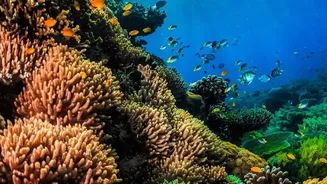
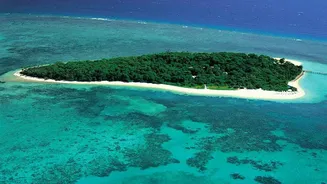
The Lakshadweep archipelago is a unique ecosystem, an intricate network of coral reefs, seagrass beds, and marine life that has evolved over millennia. These atolls are considered some of the most vital and threatened ecosystems globally. The primary
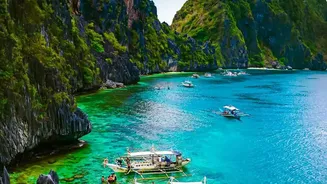
threat, beyond global climate change which causes devastating coral bleaching events, is the direct impact of human activity. Tourism, while economically beneficial, puts significant pressure on these delicate environments. Unregulated activities can cause immense harm; anchors dropped from boats can shatter decades of coral growth, tourists walking on shallow reefs can crush the living organisms, and pollution from plastic waste and chemical-laden sunscreens can poison the water. The islands also have limited freshwater and waste management capacity, making sustainable practices a necessity, not a choice.
The Blueprint for Protection
To counter these threats, the Lakshadweep administration has implemented a robust framework for eco-tourism. A cornerstone of this strategy is the regulation of visitor numbers through a mandatory permit system. All non-islanders must obtain an entry permit before travel, a process that allows authorities to manage the tourist flow and ensure the islands' carrying capacity is not exceeded. The Society for Promotion of Nature Tourism and Sports (SPORTS), a body formed by the administration, acts as the nodal agency, promoting eco-friendly tourism and managing resorts and tour packages that adhere to strict environmental standards. These packages are designed to provide memorable experiences while protecting the delicate ecological balance. The system ensures that tourism development is planned and controlled, preventing the kind of mass-market influx that has damaged other coastal destinations.
Keeping Corals Colourful
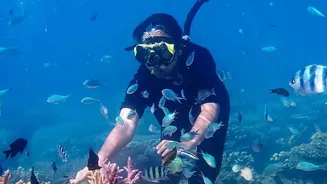
The guidelines extend directly to tourist activities, especially those involving the reefs. There is a strict, legally-enforced prohibition on touching, collecting, or picking up corals in any form. Tour operators provide training for responsible diving and snorkelling, educating visitors on how to observe marine life without disturbing it. This includes maintaining a safe distance from wildlife and using reef-safe operating practices for boats. Furthermore, to combat marine pollution, single-use plastics are banned on the islands, and tourists are strongly encouraged to carry reusable alternatives and use eco-friendly, reef-safe sunscreens to prevent chemical runoff into the pristine lagoons. These specific, actionable rules are designed to minimize the physical and chemical stress on the coral systems.
The Tourist as a Conservation Partner
The success of these measures hinges on the active participation of visitors. The guidelines are not just restrictive; they are an invitation for tourists to become stewards of the environment they have come to enjoy. By choosing to book with authorized, eco-conscious tour operators, respecting the ban on plastics, and following the rules during water activities, every visitor plays a role in conservation. Awareness and education are key components of the strategy. Tourists are informed about marine conservation, which helps foster a deeper appreciation for the fragile ecosystem. Respecting local culture, dressing modestly in community areas, and supporting local businesses also contribute to a holistic model of sustainable tourism that benefits both the environment and the island communities.