






Why We're Craving the Past
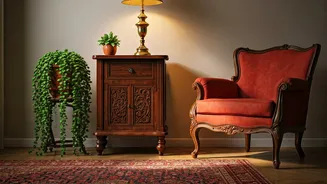
The trend towards vintage décor is more than just an aesthetic choice; it’s a response to a world of mass-produced goods. Homeowners are increasingly seeking authenticity and a personal narrative in their living spaces. Vintage pieces, whether a family
heirloom or a flea market find, come with a history that adds soul to a room. This turn towards the past is also rooted in a growing appreciation for sustainability. Upcycling an old cabinet or reupholstering a classic armchair is an eco-friendly choice that stands in contrast to fast furniture. Furthermore, these pieces connect modern rooms with materials and shapes already familiar in Indian life, from intricately carved wood to hand-finished brass, making a home feel grounded without looking dated.
Key Pieces for Compact Living
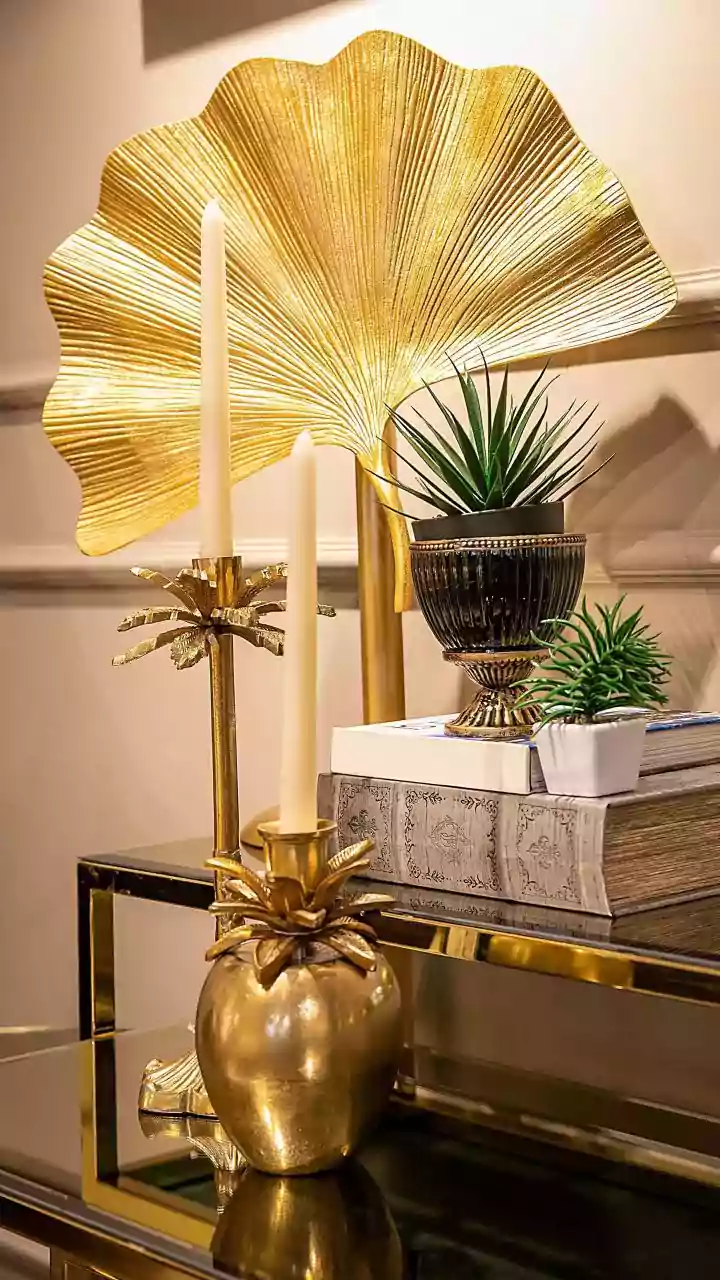
Decorating a small home with vintage items isn't about cluttering the space. Instead, it's about choosing a few impactful items that add character without overwhelming the room. One strategy is to select a single focal piece, like a beautifully carved wooden chest, a colonial-era writing desk, or an ornate mirror that also helps create an illusion of space. Brass accents are another excellent choice for small homes. Items like lamps, trays, or traditional urlis (decorative bowls) add a warm, old-world glow in small, manageable doses. Textiles are also a powerful tool; an upcycled silk sari can be transformed into a vibrant cushion cover or a unique wall hanging, adding colour and texture without taking up floor space.
The Art of Blending Old and New
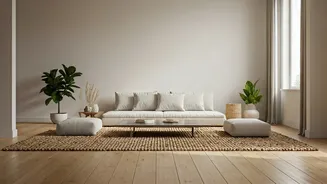
The key to successfully integrating vintage pieces into a modern Indian home is balance. A widely used guideline is the 70/30 or 80/20 rule: keep the majority of your space contemporary and functional, and use the remaining percentage for vintage or antique accents. This contrast allows each piece to shine. For instance, pairing a sleek, modern sofa with a rustic wooden coffee table, or placing contemporary chairs around a traditional dining table, creates a dynamic and intentional look. Don't be afraid to play with contrasts in materials as well—pairing distressed wood with smooth glass or jute with silk can add layers of visual interest. A neutral colour palette on the walls can serve as a perfect canvas, making both the antique and modern elements stand out.
Finding Your Own Treasures
Building a vintage collection is a journey. India is rich with sources, from bustling city markets to quiet online stores. Major cities like Mumbai, Bengaluru, Hyderabad, and Kolkata have well-known antique markets and specialised stores where you can find everything from colonial furniture to rare collectibles. Exploring these places like Bamboo Bazaar in Bengaluru or the flea markets of Mumbai can be an adventure in itself. For those who prefer to browse from home, numerous online stores now specialise in sourcing and restoring vintage Indian furniture, offering curated collections of teak cabinets, antique-inspired beds, and unique decorative items. And don't forget the most personal source of all: your own family's storage. An old trunk, a set of brass vessels, or photos from generations past can be the most meaningful pieces of all.