





Winning the War Against Humidity
The number one enemy during the rainy season is humidity. This excess moisture in the air is what makes clothes feel perpetually damp, furniture swell, and gives rise to that all-too-familiar musty odour. The most effective weapon in your arsenal is ventilation.
Whenever the rain takes a break, open windows on opposite sides of your flat to encourage cross-ventilation. This simple act helps to expel damp, stagnant air and reduces moisture buildup. For rooms without good airflow, like bathrooms and kitchens, make it a habit to run the exhaust fan for longer than usual. A dehumidifier can be a game-changer in particularly humid climates, but natural alternatives also work well. Placing bowls of rock salt, baking soda, or activated charcoal in corners and cupboards can help absorb excess moisture affordably.
Let There Be Light
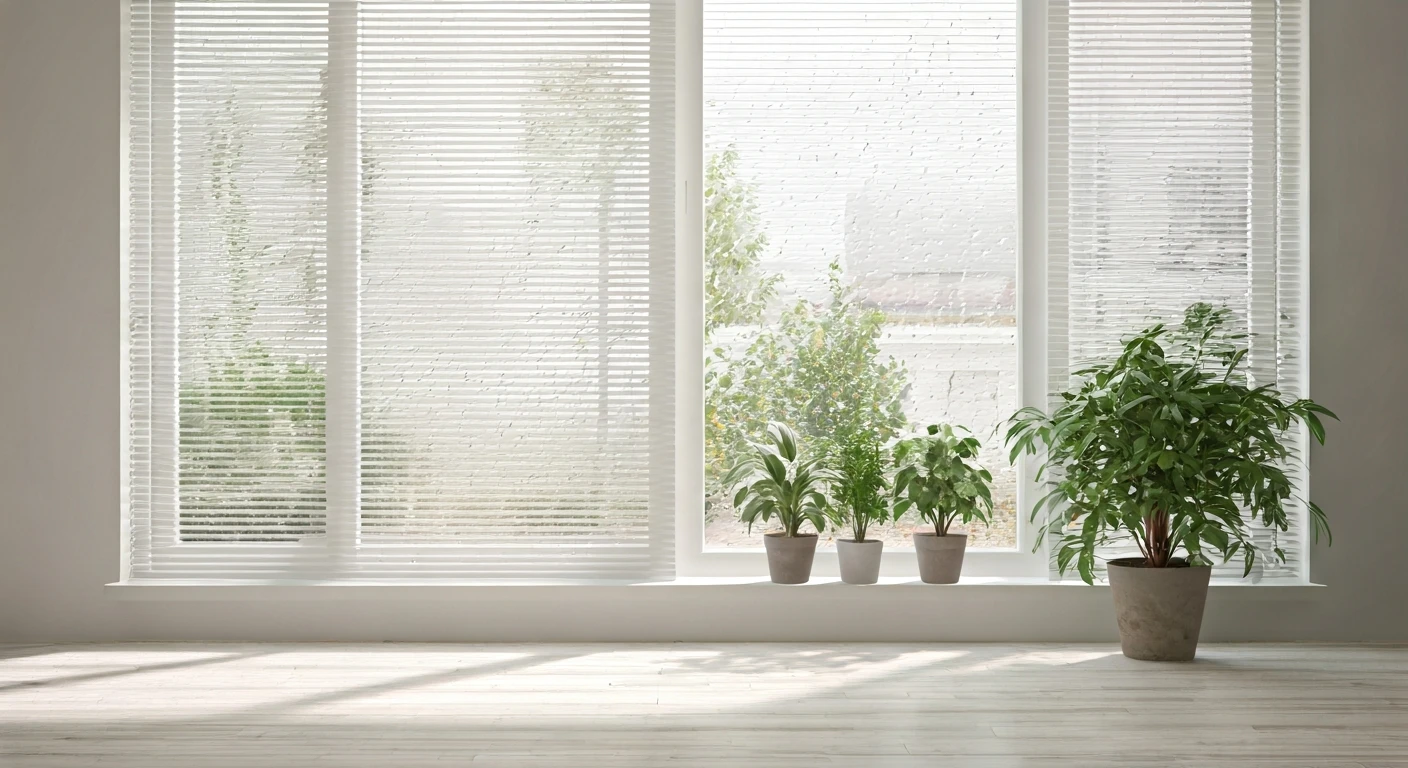
Grey skies can make even the brightest homes feel dark and unwelcoming, which can take a toll on your mood. The solution is to maximise every bit of available light. Start by cleaning your windows, as even a thin layer of grime can significantly block daylight. Swap out heavy, dark curtains for sheer or light linen ones. These provide privacy while allowing light to filter through gently. To further amplify the effect, hang a large mirror on the wall directly opposite your main window. This classic design trick bounces available daylight back into the room, making the entire space feel brighter and more open. When it comes to artificial lighting, ensure you have multiple sources. Using a mix of ceiling lights, table lamps, and floor lamps helps create a layered, warm glow that combats evening gloom. Opt for lighter-coloured lampshades to diffuse light more effectively.
The Power of a Disciplined Routine
A proactive and disciplined approach to cleaning is non-negotiable during the monsoon. Regular maintenance prevents small issues from becoming major problems. Start by inspecting your home for any cracks in the walls or gaps around windows where water might seep in, sealing them promptly. Daily mopping, perhaps with a few drops of an antibacterial solution, will keep floors from becoming breeding grounds for germs. Pay special attention to wardrobes and cupboards. Keep them from getting too cluttered to allow air to circulate. Placing moisture absorbers like silica gel packets, naphthalene balls, or even small bags of dried neem leaves can protect your clothes and prevent mould growth. It's also wise to pull furniture an inch or two away from walls to prevent moisture from getting trapped behind them.
Keeping Musty Odours at Bay
Even with good ventilation, musty smells can sometimes creep in. The key is to eliminate odours, not just mask them. Baking soda is a fantastic natural deodoriser; sprinkling it on carpets and mattresses, letting it sit for 30 minutes, and then vacuuming it up can neutralise stubborn smells. Camphor is another traditional and effective option, known for its air-purifying properties. Place camphor pouches in shoe racks and cupboards to combat humidity and odours. To introduce a pleasant fragrance, avoid heavy artificial air fresheners that can feel cloying in humid weather. Instead, opt for scented candles, essential oil diffusers, or a simple potpourri to keep your home smelling fresh and clean. Regularly wiping down surfaces helps prevent the buildup of dust and mould that contribute to bad smells.