



The Rejuvenated Western Ghats, Maharashtra
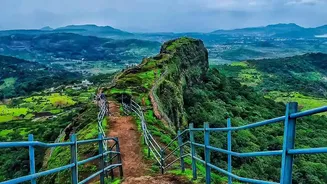
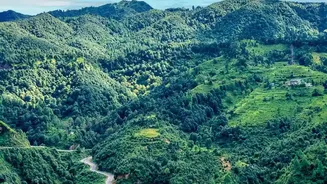
The Sahyadri mountain range in Maharashtra is a spectacle after the rains. The drive from Mumbai or Pune towards destinations like Lonavala, Malshej Ghat, and Mahabaleshwar becomes an experience in itself. The roads, now more reliable after the downpours,
wind through hills carpeted in a thousand shades of green. Waterfalls, still fed by the season's generosity, cascade down dark basalt cliffs. A key attraction during this period is the Kaas Plateau near Satara, a UNESCO World Heritage site that bursts into a carpet of wildflowers post-monsoon. This is the time for slow drives, frequent stops for cutting chai, and soaking in panoramic views of valleys still shrouded in a light morning mist.
Misty Hills of Coorg, Karnataka
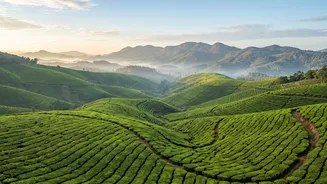
Often called the 'Scotland of India', Coorg (Kodagu) sheds its polished hill-station image and feels like a wild, living rainforest in the months following the monsoon. The air is fragrant with the smell of wet coffee leaves and pepper vines. This is when its famous coffee plantations are at their most lush, and waterfalls like Abbey and Iruppu are at their most powerful. The drive from Bengaluru or Mysuru is scenic, with well-maintained roads leading you into the heart of the misty hills. The period from September to November offers a perfect blend of monsoon freshness and clearer weather, making it ideal for plantation walks, visiting viewpoints like Raja's Seat, and simply enjoying the serene landscape.
Rajasthan’s Surprising Green Makeover
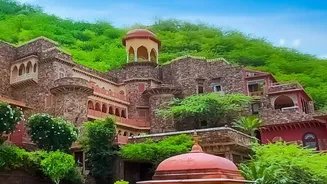
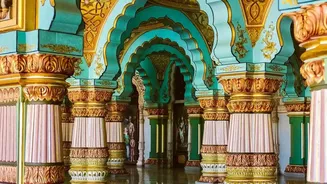
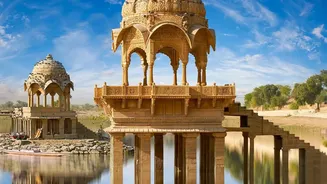
While Rajasthan is synonymous with deserts, the post-monsoon season offers a fleeting, magical transformation. The Aravalli Range, particularly around Udaipur, Mount Abu, and Kumbhalgarh, dons a surprising green cloak. The lakes are full, the air is cooler, and the landscape is temporarily lush, providing a unique backdrop to the state's majestic forts and palaces. The cooler temperatures starting in October make for pleasant drives, whether you're exploring the 'City of Lakes' or taking the classic heritage route from Jaipur towards Jodhpur and Jaisalmer. It’s an ideal time to experience Royal Rajasthan without the scorching heat of summer or the peak tourist crowds of deep winter.
The Water-Rich Hills of Meghalaya
In Northeast India, Meghalaya truly comes alive after the monsoon. Known for receiving some of the highest rainfall in the world, its landscapes are perpetually vibrant, but the post-rainy season offers a perfect balance. Waterfalls like those around Cherrapunji (Sohra) are still thunderous, the famous living root bridges are surrounded by intense greenery, and the rolling hills of the 'Scotland of the East' are breathtaking. The roads, while always demanding careful driving in the hills, are generally more accessible than during the peak monsoon. This window allows travellers to witness the region's unique natural wonders in their full glory, with roaring cascades and emerald valleys defining every turn.
Spiritual Journeys to Rishikesh, Uttarakhand
The drive from the plains into the foothills of the Himalayas is especially rewarding after the monsoon. For those heading to Rishikesh, the improved highways from Delhi make for a smoother journey. In the months of September and October, the surrounding hills are vividly green, the Ganges flows with renewed vigour, and the weather is milder and clearer. This makes it an excellent time for both spiritual pursuits and adventure activities like river rafting, which resumes with gusto. The combination of accessible roads, pleasant climate, and a landscape rejuvenated by the rains makes it a popular choice for a quick getaway focused on wellness and nature.