






Why the Increased Scrutiny?
While the rules themselves are not new, Thai immigration authorities are now enforcing them more strictly. This crackdown, sometimes referred to as the “3 NOs” (No Entry, No Stay, No Escape) policy, aims to reduce visa overstays and prevent individuals
from working illegally on tourist visas. In early July 2026, the Indian Embassy in Bangkok issued an advisory for Indian nationals, highlighting the need for thorough preparation to avoid issues at the border. This isn't about targeting tourists, but ensuring all visitors are genuine and have the means to support their stay. The end of the recent visa-free scheme for Indians has also shifted procedures back to requiring either a pre-arranged visa or a Visa on Arrival, which come with these documentation requirements.
The Mandatory Return Ticket
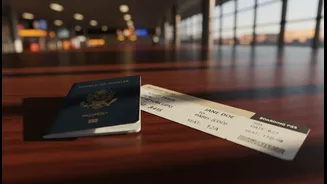
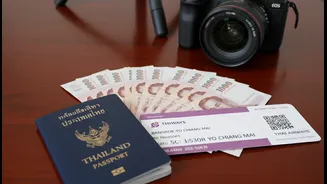
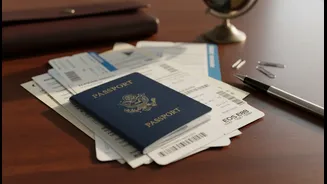
One of the most critical documents is a confirmed return or onward flight ticket showing your departure from Thailand within your permitted stay. Immigration officers will likely ask to see this to verify that you do not intend to stay illegally. Airlines have also become stricter, often checking for this document at your departure airport in India to prevent passengers from being denied entry upon arrival in Thailand. A simple booking reservation is not enough; the ticket must be confirmed and paid for. Ensure the departure date on your ticket corresponds with the duration allowed by your visa or visa-exemption status.
Verifiable Proof of Accommodation
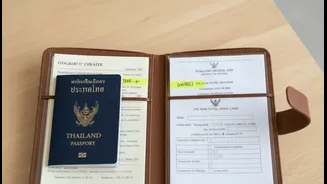
Immigration officers also require proof of accommodation for your entire stay in the country. This means you should have printed or digital copies of your hotel booking confirmations. The booking should clearly show your name, the hotel's name and address, and the dates of your stay. If you are staying with friends or family, you may need to provide an invitation letter from your host, along with a copy of their ID or passport. Having a clear itinerary with your accommodation details ready helps demonstrate you are a genuine tourist with a well-planned trip.
Demystifying the TDAC
The Thailand Digital Arrival Card, or TDAC, is a mandatory online form for all foreign nationals entering Thailand. It replaced the old paper-based TM6 form in May 2025 to streamline immigration and enhance security. You must complete the TDAC within 72 hours before your arrival. The form is free and requires you to fill in your passport details, travel information, and accommodation address. Once submitted on the official website (tdac.immigration.go.th), you will receive a QR code, which you must present to the immigration officer. Failure to complete the TDAC is a common reason for entry delays or even refusal.
Proof of Sufficient Funds
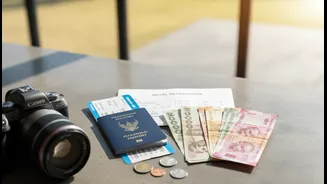
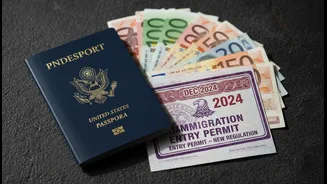
You may be asked to prove you have enough money to cover your expenses during your trip. This check is at the discretion of the immigration officer. For those entering on a Visa on Arrival, the requirement is typically 10,000 THB per person or 20,000 THB per family. For a standard tourist visa, this can increase to 20,000 THB per person. While some reports suggest a higher amount of around 58,000 INR (approximately 20,000 THB) is being checked for Indian tourists, the official amounts vary by visa type. It is highly advisable to carry this amount in cash (Thai Baht or an equivalent major currency), as digital proof like a bank statement on your phone may not always be accepted. The Tourism Authority of Thailand recently issued a reminder about this long-standing rule to help travellers prepare.