




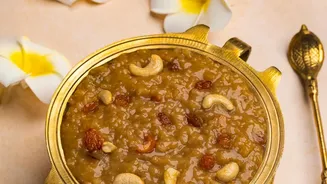
From All-or-Nothing to Mindful Indulgence
For years, festive seasons in India have been synonymous with tables laden with rich meals, decadent sweets, and fried snacks. The unspoken rule was often to indulge without restraint, with the inevitable consequence of post-celebration regret and frantic
resolutions to 'detox'. This all-or-nothing mentality often created a stressful relationship with food, framing it as either 'good' or 'bad'. But a significant cultural shift is underway. Nutritionists and wellness experts observe that people are increasingly rejecting this binary choice, moving away from complete deprivation or uncontrolled bingeing. The new philosophy is not about avoiding beloved festive treats but about enjoying them mindfully and without guilt.
Portion Control Becomes the Centrepiece
The single most powerful tool in this new approach is portion control. Instead of declaring sweets off-limits, the focus has shifted to managing how much is consumed. Experts suggest simple, practical strategies like using smaller plates, serving sweets in bite-sized pieces, and consciously choosing one or two favourite items instead of sampling everything. The idea is to savour the experience fully. Eating slowly and paying attention to the body's fullness signals allows for enjoyment without feeling stuffed or uncomfortable later. This practice ensures that you can relish traditional delicacies as part of the celebration, not as a source of anxiety.
Balancing the Plate with Variety
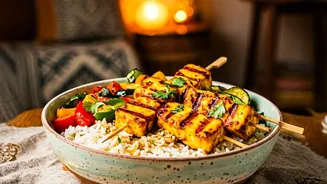
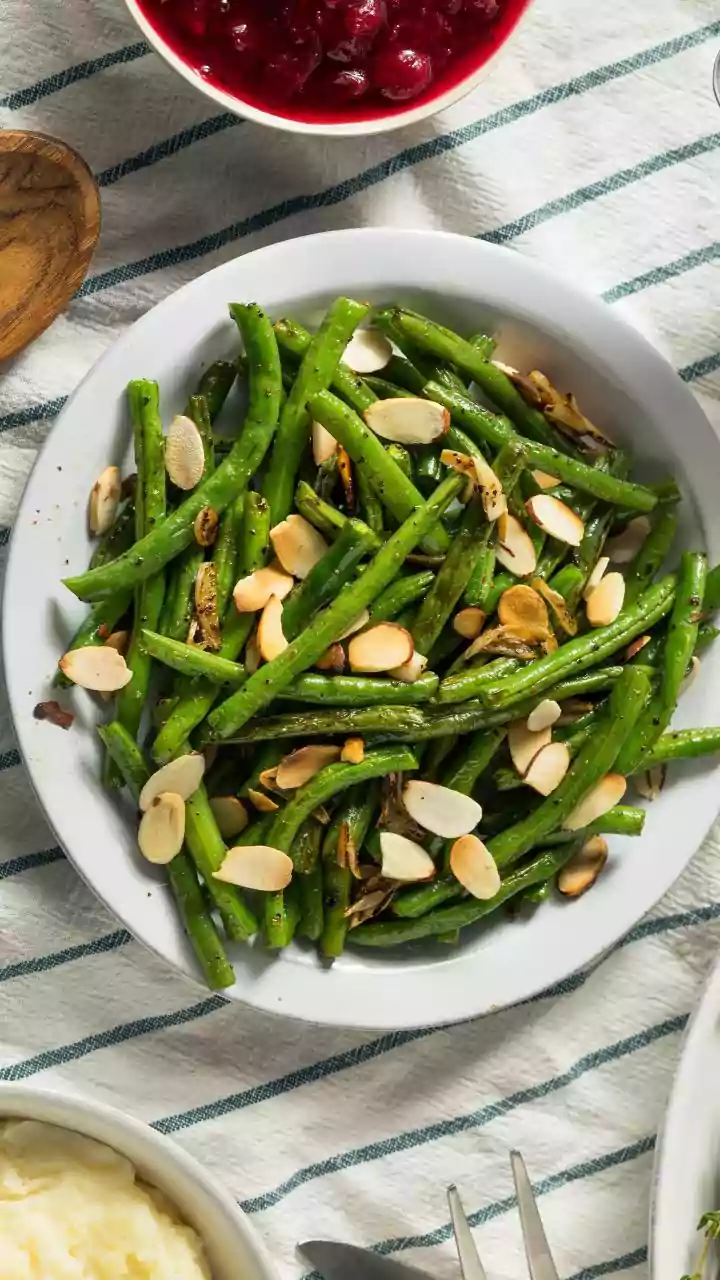
Alongside portion control, there is a growing emphasis on variety and nutritional balance. A balanced festive plate, as recommended by dietitians, might see half the space filled with vegetables or salad, a quarter with protein like dal or paneer, and the remaining quarter with grains. This ensures that even amidst rich foods, the body receives essential fibre and nutrients. People are also getting creative, making healthier versions of traditional dishes at home using natural sweeteners like jaggery or dates, and opting for baked or grilled snacks over fried ones. This approach allows families to honour culinary traditions while adapting them to a more health-conscious lifestyle, proving that festive food can be both delicious and nourishing.
Consistency Trumps a Post-Festival Fix
Perhaps the most crucial aspect of this evolving mindset is the focus on consistency. The new wisdom suggests that what you do year-round matters more than a few days of festive eating. Rather than planning an extreme post-festival detox, the goal is to maintain healthy habits before and after major celebrations. This could mean eating lighter, home-cooked meals on non-festive days, staying hydrated, and incorporating physical activity like a family walk into the celebrations. This sustainable approach, sometimes called the 80:20 rule—eating nutritiously 80 percent of the time while allowing 20 percent for treats—helps maintain a healthy relationship with food in the long term. It prevents the cycle of guilt and supports overall well-being far more effectively than any quick fix.