






The Engine of India's Agriculture
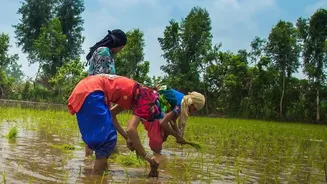
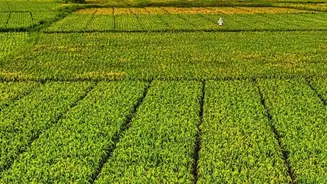
The Kharif season, which typically begins with the onset of the southwest monsoon in June and ends with the harvest in October, is the backbone of Indian agriculture. These monsoon crops, including staples like rice, maize, pulses, and oilseeds, are vital
for the nation's food security. The season accounts for roughly half of India's total food grain production and a significant portion of its agricultural GDP. Beyond the fields, it is a massive source of employment for a large segment of the rural workforce, highlighting its immense social and economic importance.
More Than Just Total Rainfall
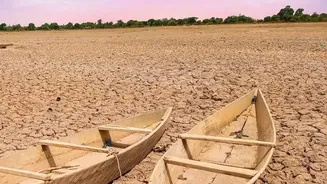
While the total volume of rain during the monsoon is important, the real key to a successful Kharif season is consistency. The timing and distribution of rainfall are far more critical than a single, impressive number for the entire season. Crops need moisture at specific stages of their growth cycle, from sowing to flowering and grain filling. A long dry spell after initial sowing can wither young plants, while a sudden, intense downpour can cause flooding and damage mature crops. Experts note that a few days of very heavy rain cannot compensate for weeks of deficiency, as it leads to rapid soil moisture decline once the dry spell returns. This year, the monsoon's uneven performance, influenced by El Niño conditions, has underscored this very challenge.
The Ripple Effect of Erratic Rains
When the monsoon is inconsistent, the consequences are felt across the country. For farmers, it can mean delayed sowing, a shift to less water-intensive but potentially less profitable crops, and ultimately, lower yields. For the broader economy, the impact is just as significant. A poor Kharif harvest can strain food supplies, leading to rising food inflation, which affects every household. Given that agriculture still employs a vast portion of India's workforce, a weak season reduces rural incomes, dampening demand for goods and services from tractors to consumer products, and affecting overall GDP growth.
The 2026 Kharif Season So Far
As of mid-August 2026, the Kharif season presents a mixed picture. After a delayed start and a significant rainfall deficit in June, sowing picked up in July and early August. However, the overall acreage for Kharif crops remains slightly below last year's levels. As of August 14, total sowing was down about 2% compared to the same period in 2025, with key crops like rice, maize, and some pulses showing a decline in acreage. The India Meteorological Department (IMD) has forecast below-average rainfall for the second half of the monsoon season, which is a critical period for crop development. This makes the even distribution of the remaining rains absolutely crucial for determining the final yields.
Beyond Waiting for the Clouds
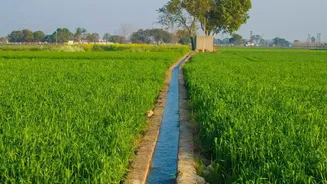
While the monsoon's behaviour is paramount, India's agricultural strategy is not entirely passive. The challenges posed by inconsistent rains are being met with various measures. Efforts to expand irrigation coverage aim to reduce direct dependence on the monsoon. The promotion of drought-resistant seed varieties offers a buffer against dry spells. Furthermore, crop insurance schemes provide a financial safety net for farmers when yields are hit by adverse weather. These interventions are crucial for building resilience in a farming system that remains deeply intertwined with the whims of the annual rains.