



The Monsoon Multiplication Effect
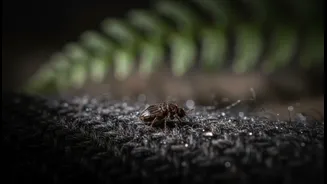
While fleas can be a year-round issue in India, the monsoon season creates a perfect storm for infestations. The combination of warmth and high humidity allows fleas to breed and multiply at an astonishing rate. Flea eggs, which can lie dormant in soil,
grass, and even within your home, hatch rapidly in these damp conditions. This means a single flea brought indoors on your pet after a walk can quickly escalate into a full-blown infestation, with parasites hiding in carpets, bedding, and furniture. The rainy weather also encourages wildlife like rodents to seek shelter closer to human dwellings, bringing their own flea populations with them and increasing the risk to your pets.
More Than Just an Itch
A flea problem is far more serious than just uncomfortable itching. For many pets, it can trigger severe health complications. Flea Allergy Dermatitis (FAD), a hypersensitive reaction to proteins in flea saliva, is a common and distressing condition that can cause intense scratching, skin inflammation, and hair loss from even a single bite. Heavy infestations can lead to anaemia, a potentially fatal condition caused by blood loss, which is especially dangerous for puppies and kittens. Furthermore, when pets groom themselves, they can swallow fleas infected with tapeworm larvae, leading to internal parasitic infections. Fleas can also transmit bacterial diseases like bartonellosis (the cause of Cat Scratch Fever in humans) and other dangerous pathogens.
What 'Vet-Approved' Really Means
With countless products on the market, the term 'vet-approved' is a crucial indicator of safety and effectiveness. It means a product has been tested and is recommended by veterinary professionals for preventing and treating fleas. These treatments, such as oral tablets, spot-on liquids, and medicated collars, have undergone rigorous trials to ensure they work reliably and are safe for your pet's specific age, weight, and species. It is critical to never use products intended for dogs on cats, as some ingredients can be highly toxic to felines. Likewise, pesticides meant for livestock or general home use are not safe for pets and can cause serious harm. Consulting a veterinarian ensures you get a product tailored to your pet's needs, avoiding ineffective or dangerous alternatives.
Choosing Your Prevention Strategy
There are several effective types of vet-approved flea prevention, each with its own benefits. Oral tablets are highly effective, killing fleas systemically after they bite your pet, and often provide protection for one to three months. Spot-on treatments are topical liquids applied to the skin, typically at the back of the neck, which spread through the skin's oils to provide protection. These are easy to apply and act quickly. Medicated shampoos and sprays can provide immediate relief and help manage an active infestation but may require more frequent application and are often used as part of a broader strategy. A flea comb is also an excellent tool for daily checks, especially after walks, to catch any new parasites before they can lay eggs. Your vet can help you decide which combination of products is best for your pet's lifestyle.
A Holistic Approach to a Flea-Free Home
Effective flea control goes beyond treating just your pet. Since a significant portion of the flea life cycle—eggs, larvae, and pupae—occurs in the environment, keeping your home clean is essential. During the monsoon, regularly vacuum carpets, rugs, and furniture, paying close attention to areas where your pet rests. Wash your pet’s bedding, blankets, and soft toys in hot water at least once a week to kill any parasites. Keeping your pet's fur trimmed can also help reduce moisture retention and make it easier to spot fleas. For your yard, keep grass mowed and remove leaf litter where fleas might hide. This comprehensive approach is the most effective way to break the flea life cycle and protect both your pet and your family.