



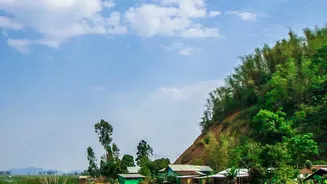


Embracing the Monsoon's Magic
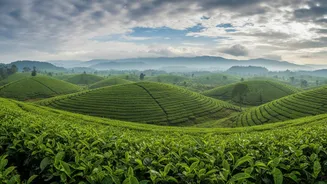
Forget the notion of monsoon as the off-season. In Assam, the months from June to September are when the state transforms into a vibrant, lush paradise. The rains breathe new life into the sprawling tea gardens, making them appear even more verdant. Rivers
like the mighty Brahmaputra swell, and hidden waterfalls emerge from hillsides overnight. This season offers a different kind of travel—quieter, more introspective, and with fewer crowds at major attractions. Travellers are discovering that the misty, cloud-covered landscapes provide a serene and dramatic backdrop that is perfect for a peaceful escape, a stark contrast to the often-avoided perception of monsoon travel.
The Rise of Conscious Travel
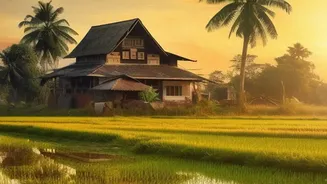
The growing interest in Assam’s monsoon season is part of a larger shift towards sustainable and responsible tourism. Modern travellers are increasingly looking for authentic experiences that benefit local communities and minimise environmental impact. Assam's tourism model is evolving to meet this demand, with a focus on ecotourism, community-run homestays, and sustainable lodges. These establishments, often built with local materials like bamboo, offer an immersive experience into Assamese life. Instead of just sightseeing, visitors can engage in activities like village tours, learning about traditional crafts, or simply enjoying locally sourced meals, ensuring that tourism revenue directly supports the host communities.
Beyond the Usual Itinerary
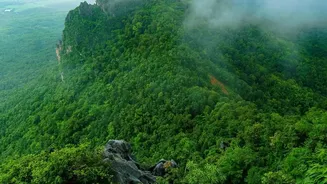
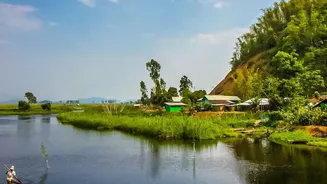
While Kaziranga National Park, famous for the one-horned rhinoceros, often closes its core zones during the monsoon, this period opens up opportunities to explore other facets of Assam. The world's largest river island, Majuli, becomes a tranquil haven, offering a glimpse into the unique Neo-Vaishnavite culture of its 'satras' (monasteries). Haflong, the state's only hill station, is enveloped in mist and clouds, making it ideal for quiet contemplation and treks through lush forests. Tea tourism also flourishes, with estates in Jorhat and Dibrugarh offering tours and stays where visitors can witness the tea-making process amidst the rain-drenched gardens.
What Defines an Eco-Friendly Stay?
So, what does an eco-friendly holiday in Assam look like? It often means staying in lodges and resorts that are designed to blend with nature rather than dominate it. Think bamboo cottages on stilts, treehouses overlooking tea gardens, and resorts that prioritise conservation. For example, properties near wildlife sanctuaries like Pobitora, which remains partially accessible, focus on high-impact experiences with low environmental footprints, such as guided birdwatching and nature walks. Many eco-resorts actively engage in conservation efforts, use renewable energy, and practice waste management, allowing guests to enjoy their stay knowing they are contributing positively to the region's delicate ecosystem.
Planning Your Green Getaway
Travelling to Assam during the monsoon requires a bit of planning and flexibility. While the scenery is at its most spectacular, the rains can lead to travel delays. It is crucial to check weather updates and road conditions, especially when travelling to more remote areas. Packing essentials include waterproof clothing, sturdy non-slip footwear, and a good power bank, as power cuts can be common. The key is to adopt a slower pace of travel. The monsoon encourages a more mindful approach, allowing you to spend more time interacting with local communities, savouring regional cuisine, and truly appreciating the natural heritage of this incredible state.