






The Golden Hour Glow-Up
The familiar hum of city life is being replaced by a collective, calming breath. In cities like Mumbai, Bengaluru, and Delhi, open-air yoga classes held during the 'golden hour' are experiencing a significant surge in popularity. This isn't just about
getting a picturesque Instagram post. The trend reflects a deeper shift towards holistic wellness, especially in a post-pandemic world where sedentary lifestyles and work-from-home setups have taken a toll on our bodies. The 'unprecedented rush' mentioned by wellness studios is less a stampede and more a steady, determined flow of people reclaiming their physical well-being. Participants, from young tech professionals to middle-aged parents, are discovering that the combination of gentle movement, fresh air, and the serene backdrop of a sunset offers a powerful antidote to the aches and stiffness that define modern life.
Why Yoga Works for Your Spine
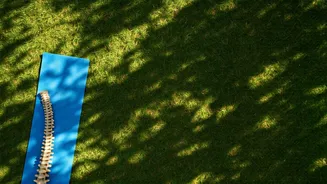
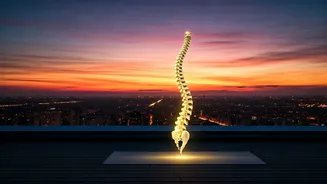
The connection between yoga and a healthy back is well-established, but it’s worth understanding why it’s so effective. Our spines, burdened by hours of slouching over screens, need both mobility and stability. Yoga delivers both. Poses, or asanas, are designed to gently lengthen the spine, decompressing the vertebrae and creating space. This can alleviate pressure on nerves and reduce pain. Furthermore, many postures focus on strengthening the core and back muscles. A strong muscular 'corset' around your midsection provides essential support for the spine, improving posture and preventing future injury. Unlike high-impact exercise, yoga’s focus on controlled movement and breathwork ensures that the muscles are worked safely, promoting flexibility without strain. It effectively re-teaches your body how to align itself correctly, undoing the damage of daily habits.
The Magic of a Sunset Session
But why practice at sunset? The timing is more than just an aesthetic choice. Physiologically, our muscles are naturally more pliable and warmed up at the end of the day, making it an ideal time for a deeper, safer stretch. Psychologically, the benefits are immense. A sunset yoga session acts as a powerful transition, helping the mind disconnect from the day's stresses and prepare for a restful evening. The calming hues of the sky and the cooling air can lower cortisol levels (the stress hormone) and trigger the body's relaxation response. This mental calm directly translates to physical release, as stress is a major contributor to muscle tension, particularly in the neck, shoulders, and back. The practice becomes a ritual of shedding both physical and mental burdens before nightfall.
Key Poses to Soothe Your Spine
While a guided class is always best, a few fundamental poses are celebrated for their spinal benefits. **Marjaryasana-Bitilasana (Cat-Cow Pose):** This gentle flow is a perfect warm-up. Moving between an arched and rounded back, it brings flexibility to the spine and releases tension in the neck and upper back. **Adho Mukha Svanasana (Downward-Facing Dog):** This classic pose is a full-body stretch that focuses on lengthening the entire spine. It helps to decompress the vertebrae and strengthens the arms and legs, which are key support systems for your back. **Balasana (Child’s Pose):** A restorative posture that offers a gentle, passive stretch for the lower back and hips. It’s an excellent pose for releasing tension and calming the nervous system after a long day of sitting. **Bhujangasana (Cobra Pose):** A gentle backbend that strengthens spinal support muscles and improves flexibility in the vertebral column. It’s crucial to engage the core and avoid pushing too far.
Finding Your Sunset Flow
Ready to give it a try? Look for local studios, community centres, or independent instructors offering outdoor or terrace classes. Don't be intimidated if you're a beginner. A good instructor will offer modifications for every pose to suit different fitness levels. Prioritise classes that emphasise alignment and safety over speed or complexity. Wear comfortable, breathable clothing that allows for a full range of movement. Most importantly, listen to your body. The goal is to feel a gentle stretch, not sharp pain. The beauty of this trend is its accessibility—all you really need is a mat, a little open space, and the willingness to move with the setting sun.