
From Green Decor to Living Sanctuaries
For years, urban gardening in India was primarily about aesthetics—a splash of colour on a drab windowsill or a few herbs for the kitchen. But a deeper consciousness is growing. Gardeners are now looking beyond just pretty flowers and are intentionally
cultivating spaces that support local wildlife. This evolution transforms a simple hobby into a meaningful act of ecological restoration. Instead of seeing caterpillars as pests to be removed, gardeners are understanding their role in the lifecycle of a butterfly and planting for them specifically. This mindset turns a collection of pots into a living habitat, a small but vital sanctuary in a concrete jungle.
Why Our Cities Depend on Pollinators
Pollinators are the unsung heroes of our ecosystem. Globally, about 75% of food crops depend on them. In India, this crucial work is done not just by honeybees but by hundreds of species of native bees, butterflies, birds, and moths. However, rapid urbanisation, habitat loss, and the use of pesticides have put these creatures under immense stress. Cities are becoming challenging environments for them to find food and shelter. The decline of pollinators threatens not just urban biodiversity but also the yield of many fruits and vegetables we rely on, even those grown in small urban farms and kitchen gardens.
A Beginner's Pollinator Plant Toolkit
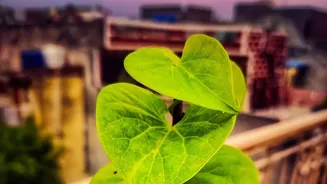
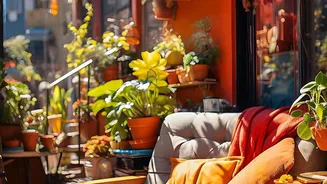
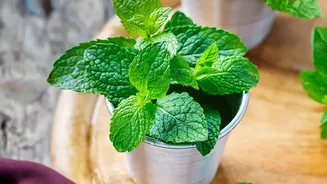
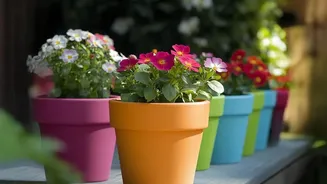
Creating a pollinator-friendly balcony doesn't require a huge space or expert knowledge. It's about choosing the right plants. Many traditional and native Indian plants are perfect for this. Bright, easy-to-grow flowers like Marigolds (Genda) and Zinnias are excellent choices for attracting bees and butterflies. Herbs are also a powerhouse; allowing Tulsi (Holy Basil), mint, and curry leaf plants to flower provides a rich nectar source. Other popular choices include the hardy Hibiscus, fragrant Lavender, and cheerful Ixora. The key is to have a variety of plants that bloom at different times, ensuring a year-round food supply for visiting pollinators.
More Than Just Flowers
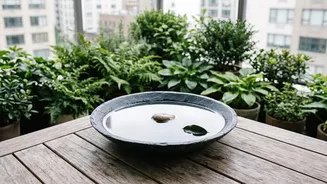
A truly wildlife-friendly garden offers more than just nectar. One of the most crucial steps is to eliminate chemical pesticides and fertilisers, which can be lethal to pollinators and other beneficial insects. Opting for organic methods like using neem oil for pest control and compost for nutrition creates a safer environment. Another simple yet effective addition is providing a source of clean water. A shallow dish of water with a few pebbles for insects to land on can be a lifesaver, especially during hot weather. By thinking about shelter and water in addition to food, you create a more complete and welcoming habitat.
Creating Green Corridors, One Balcony at a Time
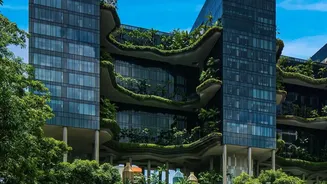
While a single pollinator-friendly balcony might seem like a small drop in the ocean, its collective impact is immense. When multiple homes in a neighbourhood or apartment complex adopt this practice, they create a network of 'green corridors'. These interconnected green spaces act as stepping stones, allowing pollinators to travel safely across otherwise hostile urban landscapes. This community effort helps connect fragmented habitats, boosts local biodiversity, and fosters a greater sense of connection to nature among city dwellers. It demonstrates how small, individual actions can collectively contribute to a healthier, more resilient urban ecosystem.